Your First Liver Specialist Appointment: What Actually Happens in the Room
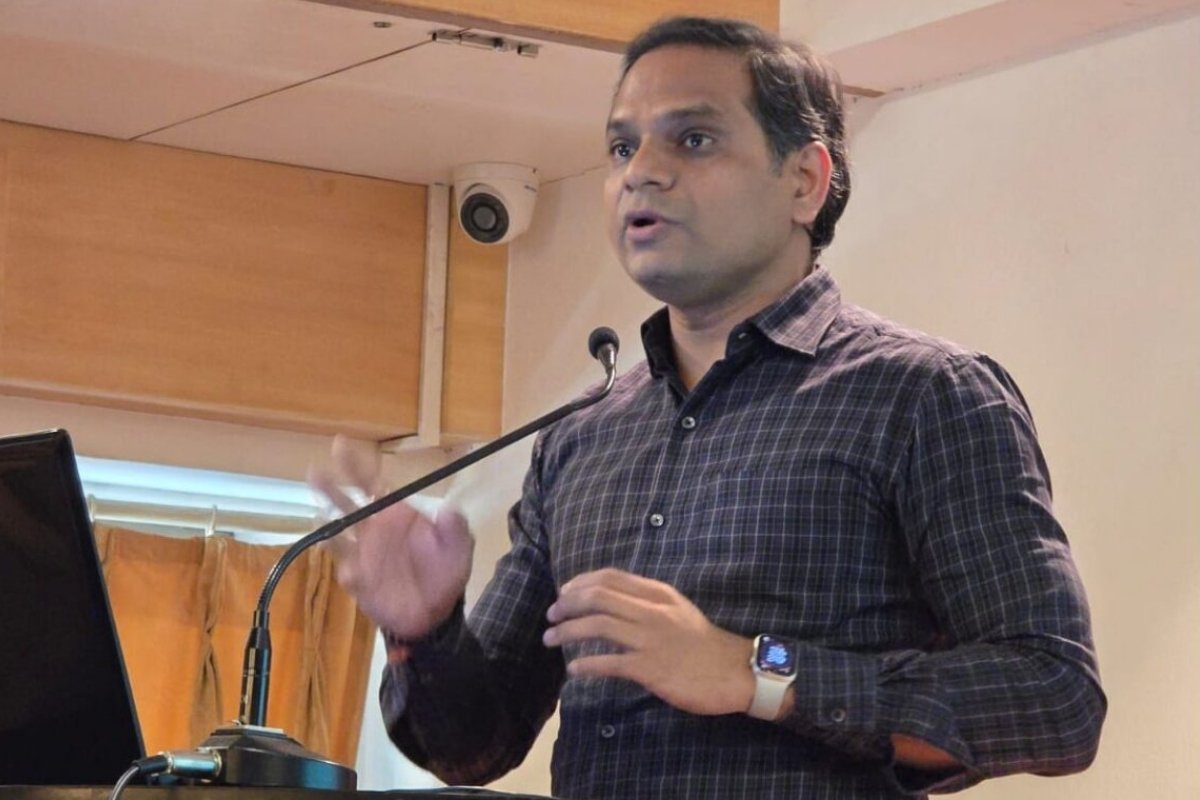
A first liver specialist appointment is a diagnostic visit, not a transplant discussion. I take your history before opening a single report, examine you, then read every previous test in date order and order new tests only where they change the plan. Declare every herbal or ayurvedic product: in India’s 1,288-patient drug-induced liver injury registry, one case in seven was caused by complementary and alternative medicines.
— Dr Chetan Kalal, DM Hepatology, Gleneagles Hospital Mumbai
Key takeaways
- The consultation runs in a fixed order — your story, a physical examination, then your reports read chronologically — because the pattern across dates tells me more than any single abnormal value.
- An abnormal liver test is not a diagnosis of irreversible disease, and a referral to a hepatologist is not a referral for transplant. Most first visits end in a clearer diagnosis and a plan, not a conversation about surgery.
- Feeling well proves little. In a biopsy series of people with fatty liver and completely normal ALT, 18 of 51 already had bridging fibrosis or cirrhosis.
- Reliable, recent tests are reused, not repeated. New investigations are ordered only when they answer a question that changes management.
- The two things patients most often forget are the imaging discs and the complete medicine list — including herbal, ayurvedic and bodybuilding products, which are a leading cause of liver injury in India.
- You should leave knowing what is known, what is still uncertain, whether the disease is reversible, and exactly what the next step is.
Patients walk in expecting one of two things. Either an immediate diagnosis after a quick glance at the blood tests, or — if someone has already used the word “cirrhosis” — an immediate conversation about transplant. Neither is usually right.
A first consultation is not about rushed decisions. It is about understanding why your liver is abnormal, how much damage has occurred, and what can still be reversed or prevented. My earlier post on the questions to ask your liver specialist covers what you should ask and what to carry in detail. This one is the other side of the desk: what I do, in what order, and why.
Step 1: I listen before I look at the reports
The consultation starts with your story, not your labs. Liver disease develops silently over months or years, and lab values alone rarely tell the full picture. I want to know when symptoms began, how they have changed, what treatment you have already had, and whether anything points toward a specific cause.
I will ask about:
- When abnormal liver tests were first found
- Symptoms — jaundice, abdominal swelling, itching, weight loss, confusion, bleeding
- Alcohol intake and any prior liver disease
- Diabetes, obesity, hypertension or high cholesterol
- Family history of liver disease
- Previous hospital admissions
- Current medicines — including herbal and alternative remedies
That last line matters more in India than almost anywhere else. In the Indian Network of Drug-Induced Liver Injury — 1,288 patients enrolled prospectively between 2013 and 2018 — anti-tuberculosis drugs caused 46% of cases and complementary and alternative medicines 14%, with a three-month mortality of about 12% overall. In the APASL ACLF Research Consortium data I co-authored, drugs precipitated acute-on-chronic liver failure in 329 of 3,132 patients, and 72% of those drug insults were complementary and alternative medicines. A patient who leaves the “liver tonic” off the list because it is natural has hidden the most likely culprit. This conversation often carries as much diagnostic weight as the reports themselves.
Step 2: A focused physical examination
Next, a detailed examination — looking for jaundice, muscle wasting, fluid in the abdomen, leg swelling, an enlarged liver or spleen, and the other signs of chronic liver disease. Patients often feel fine despite significant underlying damage, which is exactly why this step does not get skipped.
Nor does a normal blood test let me skip it. In a Virginia biopsy series of 51 people with fatty liver disease and entirely normal ALT values, 12 had bridging fibrosis and 6 already had cirrhosis — the whole histological spectrum of the disease, sitting behind a normal enzyme. Hands, abdomen and legs still tell me things a liver function test cannot.
Step 3: We review every previous investigation — in order
Only after history and examination do I go through what you have brought: blood tests, ultrasound, CT or MRI, FibroScan reports, endoscopy, biopsy if performed, discharge summaries, prior specialist opinions.
I am not looking at any single abnormal number in isolation. I am looking for the pattern across dates, which tells me whether the disease is stable, improving or progressing. A bilirubin of 2.5 means one thing if it was 4 last year and another if it was 1. If existing tests are reliable, recent and answer the clinical question, I use them rather than repeating them. New tests get ordered only when they will actually change the diagnosis or the plan.
Step 4: Deciding what else, if anything, is needed
Not every patient needs an extensive work-up. Depending on findings, further evaluation might include specialised blood tests, viral hepatitis screening, autoimmune markers, iron or copper studies, advanced imaging, a fibrosis assessment (FibroScan or, occasionally, biopsy), endoscopy for varices, or liver cancer surveillance. Every test needs a clear purpose. The goal is answering the right question, not accumulating reports.
The misconception I correct almost every day
An abnormal liver test does not automatically mean irreversible disease. And being referred to a hepatologist does not automatically mean you are heading toward transplant.
Most first consultations end in reassurance, a clearer diagnosis and a structured plan — not a conversation about surgery. Transplantation gets considered only for carefully selected patients with advanced disease, and even then the first step is a comprehensive evaluation, not an immediate decision. If that question is already on your mind, my post on when a transplant opinion is worth seeking explains how that separate process works.
What to bring — and why each item matters
Coming prepared saves time and avoids repeat testing. Two things patients routinely forget: the actual imaging discs or digital files — a written report does not always capture what the original images show — and a complete medicine list, especially herbal or alternative remedies, which can themselves cause liver injury. The full checklist, with the questions to ask once you are in the room, is in the companion post; the short version is below.
| What to bring | Why it matters to me in the room |
|---|---|
| All previous liver blood tests, in date order | The trend decides whether disease is stable, improving or progressing. One result cannot. |
| Ultrasound, CT, MRI and FibroScan — images, not just reports | A report says “fatty liver”; the images may show a nodular surface, a large spleen or a nodule nobody was asked about. |
| Endoscopy reports | Tell me whether varices have been looked for and found — a direct measure of portal pressure. |
| Liver biopsy report, if ever done | Histology settles cause and stage in a way no later test needs to repeat. |
| Hospital discharge summaries | Admissions for jaundice, ascites, bleeding or confusion mark the point at which the disease changed category. |
| Complete medicine list — prescription, over-the-counter, herbal, ayurvedic, supplements | Herbal and alternative products cause one in seven cases of drug-induced liver injury in India; omitting them delays the diagnosis. |
| Details of previous surgeries or procedures | Transfusions, biliary surgery and prior abdominal operations each change what I look for and how I plan. |
How long does it take, and who should come with you
The first appointment generally runs longer than a follow-up, since it covers your full medical journey rather than a single issue. For patients with advanced liver disease, cirrhosis or hepatic encephalopathy — or when major treatment decisions may come up — having a family member or caregiver present is often valuable. They frequently add history the patient does not think to mention, and they play a role in long-term care regardless.
What you should leave with
By the end, the goal is clarity on six things:
- What we know about your liver disease
- What is still uncertain
- Whether further investigation is needed
- Whether your condition is reversible, stable or progressive
- Your treatment options
- The follow-up plan
You may not leave with every answer on day one, but you should leave knowing exactly what the next step is and why. And one instruction stands whatever the diagnosis: do not stop or change any medicine on the strength of what you read here or anywhere else — bring the list, and we decide together.
Frequently asked questions
Will I get a diagnosis at my first liver specialist appointment?
Often a working diagnosis and a clear plan, yes. Some cases need additional testing — viral markers, autoimmune or metabolic studies, a FibroScan — before a definitive answer, and I would rather tell you that honestly than guess from an incomplete file.
Should I stop my current medicines before the appointment?
No. Bring the full list exactly as you take it, including herbal, ayurvedic and over-the-counter products. Stopping or altering anything should happen only after we have discussed it, because some medicines are the cause of the problem and others are protecting you from something else.
Is a first liver consultation the same as a transplant evaluation?
No. Most first consultations are diagnostic and planning visits. Transplant evaluation is a distinct, separate process considered only when it is clinically indicated — and even then it begins with a comprehensive assessment, not a decision.
Should a family member come with me?
For anyone with cirrhosis, previous confusion or fluid in the abdomen, or where a major treatment decision may arise, yes. Relatives supply history the patient forgets and will be part of the long-term care in any case. For a straightforward abnormal-enzyme review, it is your choice.
Will you repeat all my tests?
Not if they are reliable, recent and answer the question. I read what you bring in date order first; new tests are ordered only when they would change the diagnosis or the plan. That is why carrying the actual reports and imaging discs saves you both time and money.
A good first consultation is not measured by how many tests get ordered. It is measured by whether you leave with clarity instead of confusion.
Book a consultation with Dr Chetan Kalal at Gleneagles Hospital, Mumbai — call +91 83294 76669 or use the appointment form on this site. International and NRI patients may request a teleconsultation.
References
- Devarbhavi H, Joseph T, Sunil Kumar N, et al. The Indian Network of Drug-Induced Liver Injury: etiology, clinical features, outcome and prognostic markers in 1288 patients. J Clin Exp Hepatol. 2021;11(3):288–298. PMID 33994711. doi:10.1016/j.jceh.2020.11.002
- Devarbhavi H, Choudhury AK, Sharma MK, et al (incl. Kalal C). Drug-induced acute-on-chronic liver failure in Asian patients. Am J Gastroenterol. 2019;114(6):929–937. PMID 31021832. doi:10.14309/ajg.0000000000000201
- Mofrad P, Contos MJ, Haque M, et al. Clinical and histologic spectrum of nonalcoholic fatty liver disease associated with normal ALT values. Hepatology. 2003;37(6):1286–1292. PMID 12774006. doi:10.1053/jhep.2003.50229