

Liver Cirrhosis in Mumbai

Understanding What Cirrhosis Means for Your Liver

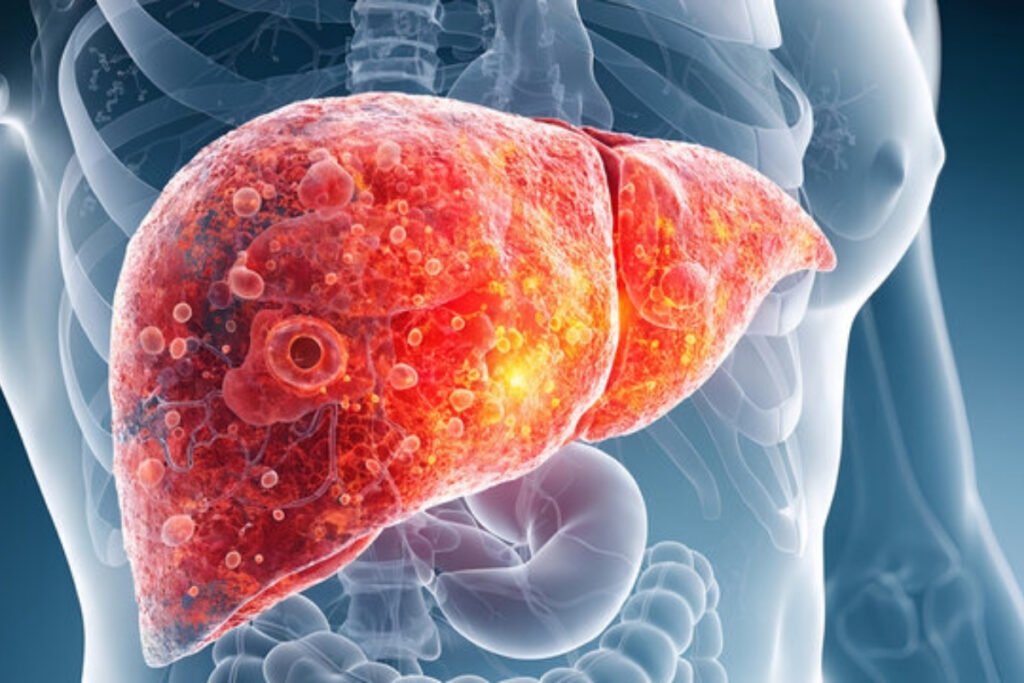
Liver cirrhosis is a progressive condition in which healthy liver tissue is gradually replaced by scar tissue, affecting the liver’s ability to perform essential functions. It can develop due to long-standing alcohol-related liver disease, hepatitis B or C, fatty liver disease, autoimmune liver disorders and several other conditions.

Cirrhosis does not always cause noticeable symptoms in its early stages. Once significant scarring develops, however, complications such as fluid accumulation, jaundice, gastrointestinal bleeding, confusion and liver cancer can occur. Early evaluation can help identify the underlying cause, assess the extent of liver damage and reduce the risk of further progression.

For patients seeking Liver Cirrhosis in Mumbai, Dr. Chetan Kalal brings specialised hepatology expertise to the evaluation and long-term management of both compensated and decompensated cirrhosis.

Dr. Chetan Kalal: Expertise in Managing Liver Cirrhosis

Dr. Chetan Kalal is a DM Hepatologist with 15+ years of experience in managing complex liver conditions, including compensated and decompensated cirrhosis. Recognised as Maharashtra’s first DM Hepatologist, he trained in Hepatology at ILBS, New Delhi, under Prof. S. K. Sarin. His expertise includes managing cirrhosis-related complications, monitoring disease progression and evaluating patients who may require advanced liver or transplant care.

15+ Years of Experience

Expertise in complex liver and digestive disorders.

First DM Hepatologist in Maharashtra

Specialist hepatology training from ILBS, New Delhi.

Liver Transplant Expertise

Experience in advanced liver disease and transplant-related care.

Research & Publications

Published research in national and international medical journals.

Your Liver Cirrhosis Evaluation Starts With One Important Question

How much has the liver been affected, and what is driving the damage?

Cirrhosis is not the same for every patient. Two people may have similar liver test results but very different levels of fibrosis, portal hypertension or risk of complications. The initial assessment therefore looks beyond a single blood test. Dr. Chetan Kalal evaluates:

Underlying cause
Hepatitis, alcohol-related disease, metabolic fatty liver disease, autoimmune conditions and other causes.
Liver function
Blood tests help assess how well the liver is performing its essential functions.

Degree of fibrosis
Imaging and non-invasive liver assessment can help estimate the extent of scarring.

Portal hypertension
Evaluation helps identify increased pressure within the portal venous system and its complications.

Current complications
Ascites, varices, jaundice, hepatic encephalopathy and infections require timely assessment.

Long-term risk
Patients with cirrhosis require ongoing surveillance for hepatocellular carcinoma and other complications.

Liver Cirrhosis in Mumbai: Finding the Cause Before Planning Long-Term Care

Identifying the cause of cirrhosis is an important part of treatment because controlling the underlying disease can slow further liver injury. Depending on the clinical picture, evaluation may include testing for:

From Stable Cirrhosis to Advanced Liver Disease

Cirrhosis is broadly considered compensated when the liver continues to perform adequately without major complications. Patients may have few or no obvious symptoms at this stage. Decompensated cirrhosis develops when significant complications appear. These may include:

Ascites

Accumulation of fluid within the abdomen.

Variceal bleeding

Bleeding from enlarged veins, commonly in the food pipe or stomach.

Hepatic encephalopathy

Changes in concentration, behaviour, sleep pattern or consciousness caused by impaired liver function.

Jaundice

Yellowing of eyes or skin caused by bilirubin processing.

Kidney dysfunction

Worsening liver disease can affect kidney function and circulation.

Recurrent infections

Advanced cirrhosis can increase susceptibility to serious infections.

When Should You Seek Specialist Liver Evaluation?

A hepatology consultation becomes particularly important when there is persistent abnormal liver function, known chronic hepatitis, significant fatty liver with fibrosis, established cirrhosis or a previous liver-related complication. You should seek prompt medical attention if you develop:

Building a Treatment Strategy Around the Stage of Disease

There is no single medicine that reverses established cirrhosis in every patient. Management depends on the cause, stage of disease, liver function and presence of complications. Treatment may involve:

When Does Liver Transplant Evaluation Become Relevant?

Liver transplantation may become an important consideration when the liver can no longer maintain adequate function despite medical treatment or when complications become recurrent or difficult to control. Transplant evaluation may be considered in situations such as:

Recurrent or difficult-to-control ascites

Selected patients with hepatocellular carcinoma

Significant deterioration in liver function

Other complications indicating advanced liver disease

Frequently Asked Questions

Established cirrhosis is difficult to completely reverse, but treating the underlying cause and preventing further liver damage can slow disease progression and help preserve remaining liver function.

No. Liver transplantation is considered when liver disease becomes advanced or complications cannot be adequately controlled with medical treatment. Many patients with compensated cirrhosis may not require transplantation.

Yes. Fatty liver disease can progress to inflammation and fibrosis and, in some patients, eventually cause cirrhosis. Early evaluation and management of metabolic risk factors can help reduce the risk of progression.

Many people with compensated cirrhosis can remain stable for years with appropriate treatment, regular monitoring and control of the underlying cause. The outlook varies with disease stage and complications.

Monitoring frequency depends on the cause, stage and complications of liver disease. Regular assessments help track liver function, detect complications early and maintain appropriate surveillance for liver cancer.

Yes. Cirrhosis significantly increases the risk of hepatocellular carcinoma, which is why regular liver cancer surveillance is recommended even when a person with cirrhosis has no noticeable symptoms.

Your Liver Needs More Than a Liver Function Test

If you have been diagnosed with cirrhosis or have persistent liver abnormalities, consult a hepatologist to understand the current stage of your liver disease and the next appropriate step.

About

Dr. Chetan Kalal is a DM Hepatologist with 15+ years of experience in managing liver diseases, advanced liver conditions and liver transplant-related care. He currently serves as Associate Director, Hepatology & Liver Transplant at Gleneagles Hospital, Mumbai.

Reach Out To Us

Copyright © 2023 DR. CHETAN KALAL | DESIGNED BY EEG TECHNOGEEKS

Scroll to Top