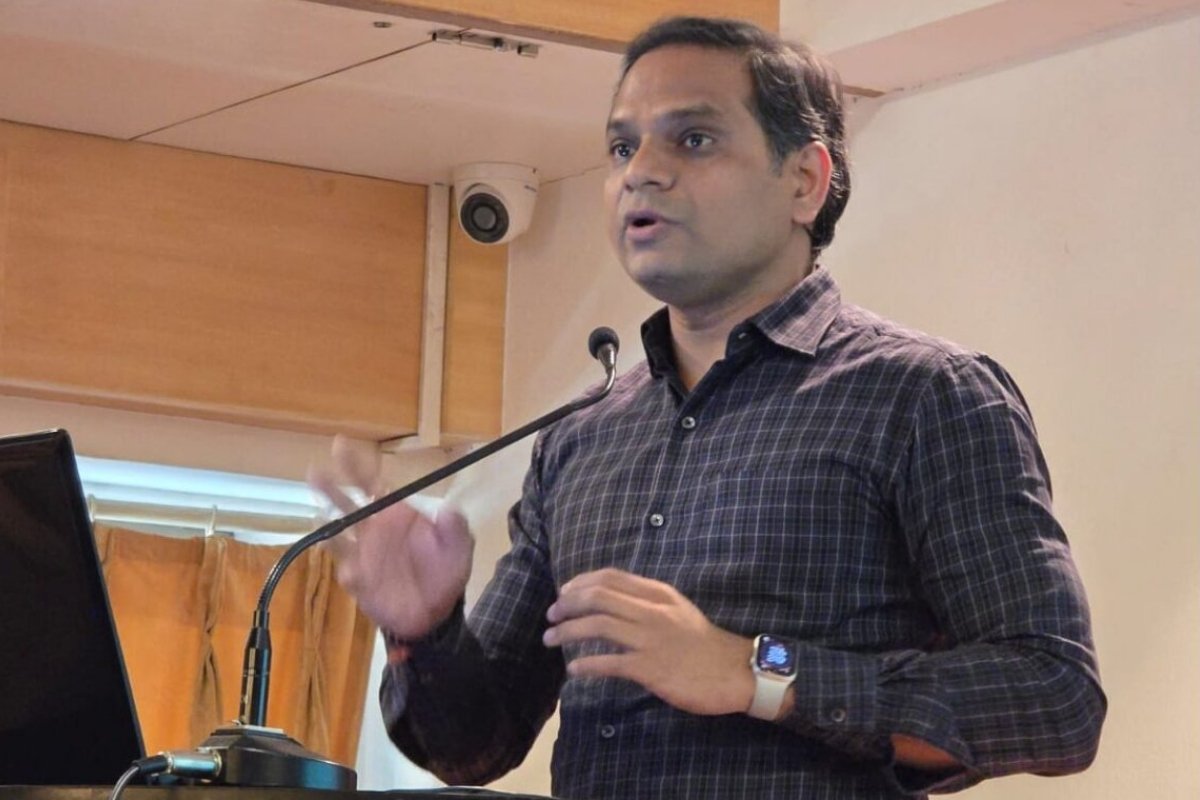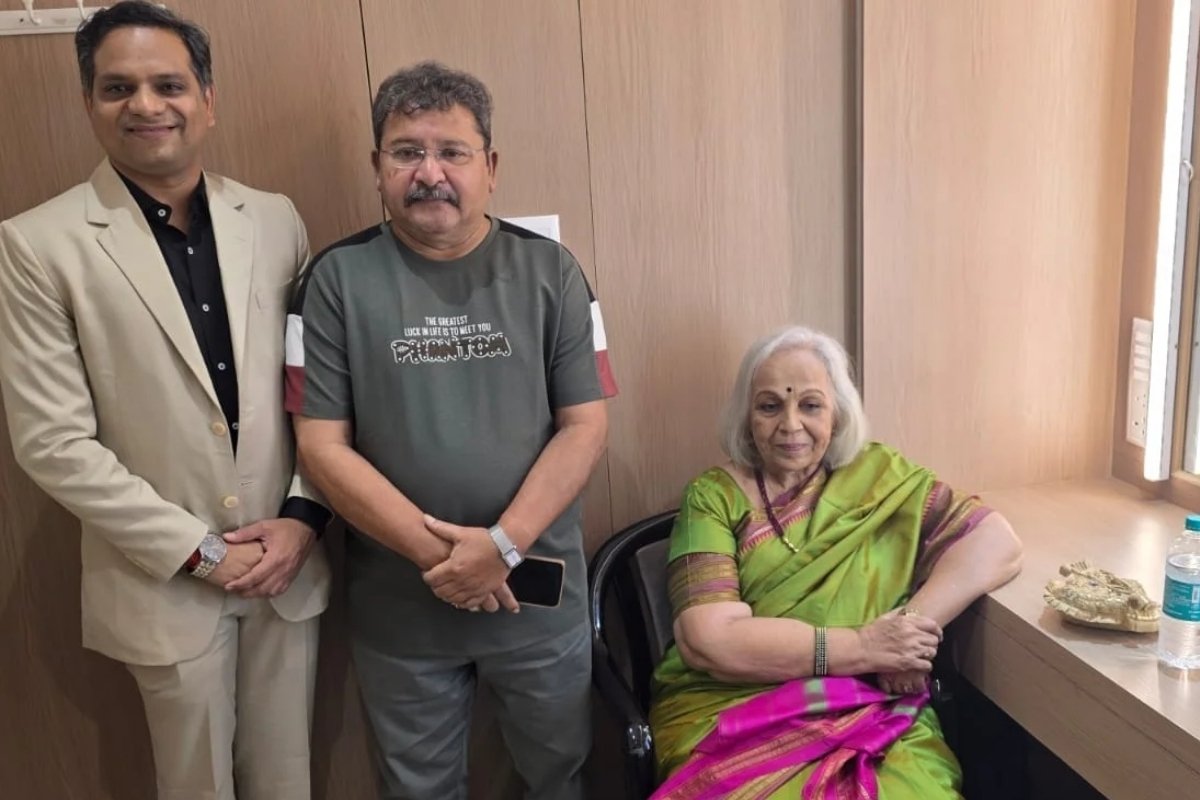
Dr. Chetan Kalal
Specialist Liver Care in Mumbai
Maharashtra’s First DM Hepatologist
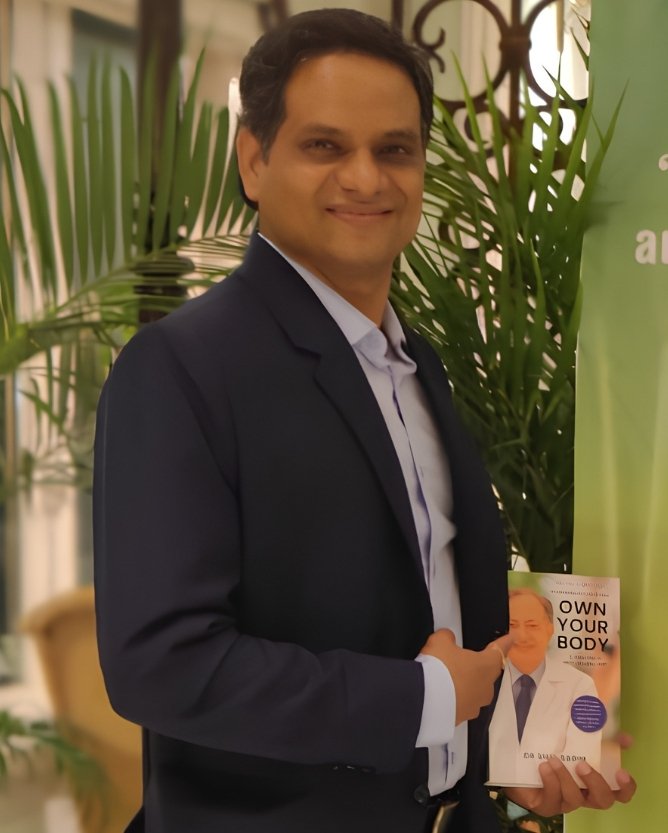
Hepatologist in Mumbai
Liver disease is rarely simple. It hides in normal-looking blood reports, shows up late, and often needs a liver specialist who can read between the lines, not just treat the numbers. That’s the gap Dr. Chetan Kalal fills.
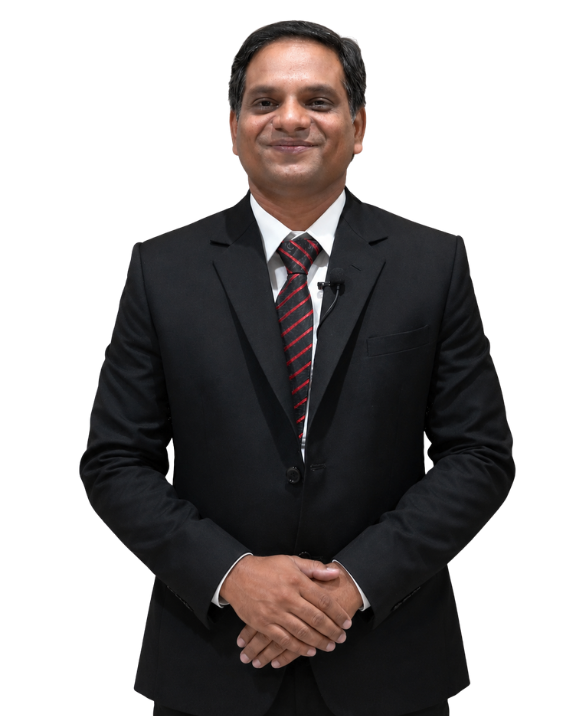
As Associate Director of Hepatology & Liver Transplant at Gleneagles Hospital, Mumbai, Dr. Kalal completed his DM in Hepatology from the Institute of Liver and Biliary Sciences (ILBS), New Delhi, where he trained directly under Prof. S.K. Sarin, one of the most respected names in hepatology worldwide. He holds the distinction of being Maharashtra’s first DM hepatologist, a qualification that goes beyond general gastroenterology to focus entirely on the liver, its diseases, and transplant medicine.
His work has been recognized with the AASLD Foundation Award (2016 and 2017) from the American Association for the Study of Liver Diseases, and he has contributed 35 PubMed-indexed publications to national and international medical journals, evidence of a practice built on continuous learning, not just repetition.


Liver Transplant Physician at Gleneagles Hospital, Parel
This isn’t about visibility. It’s about the kind of trust that’s earned quietly, one successful outcome at a time, the same standard of care extended to every patient who walks through his door.
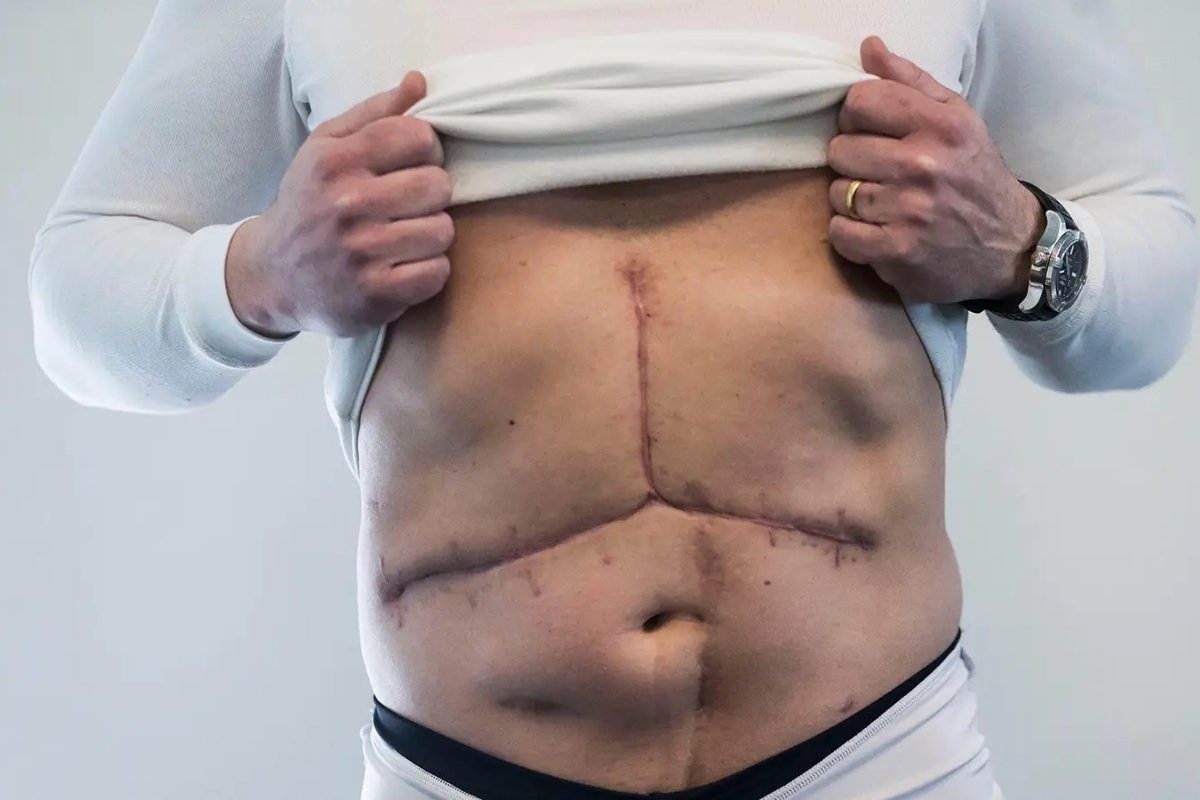
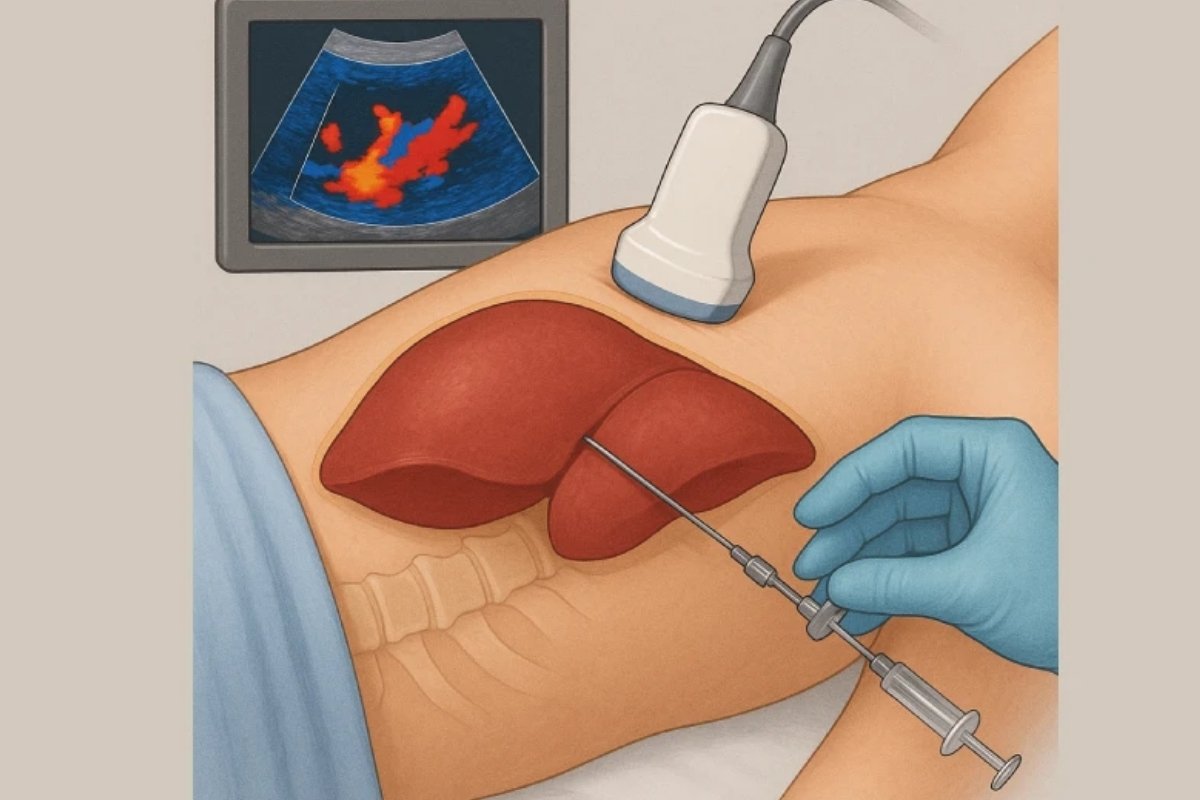
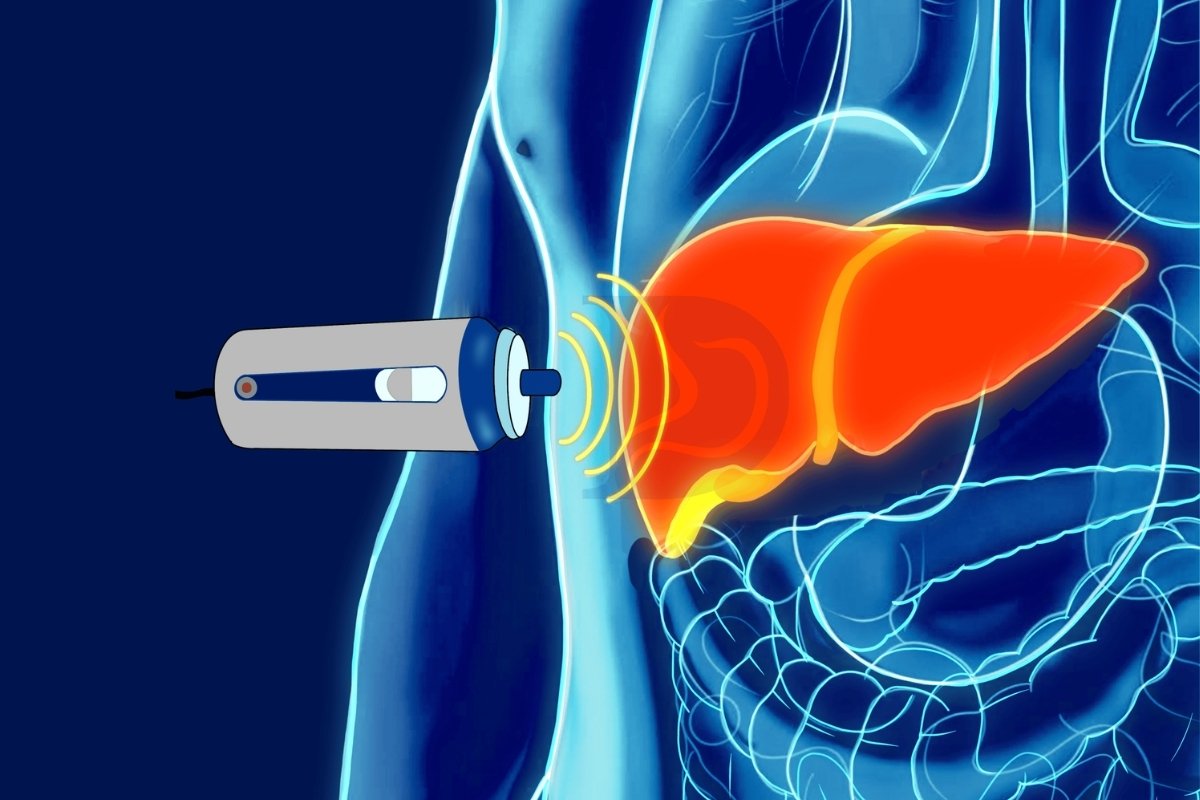
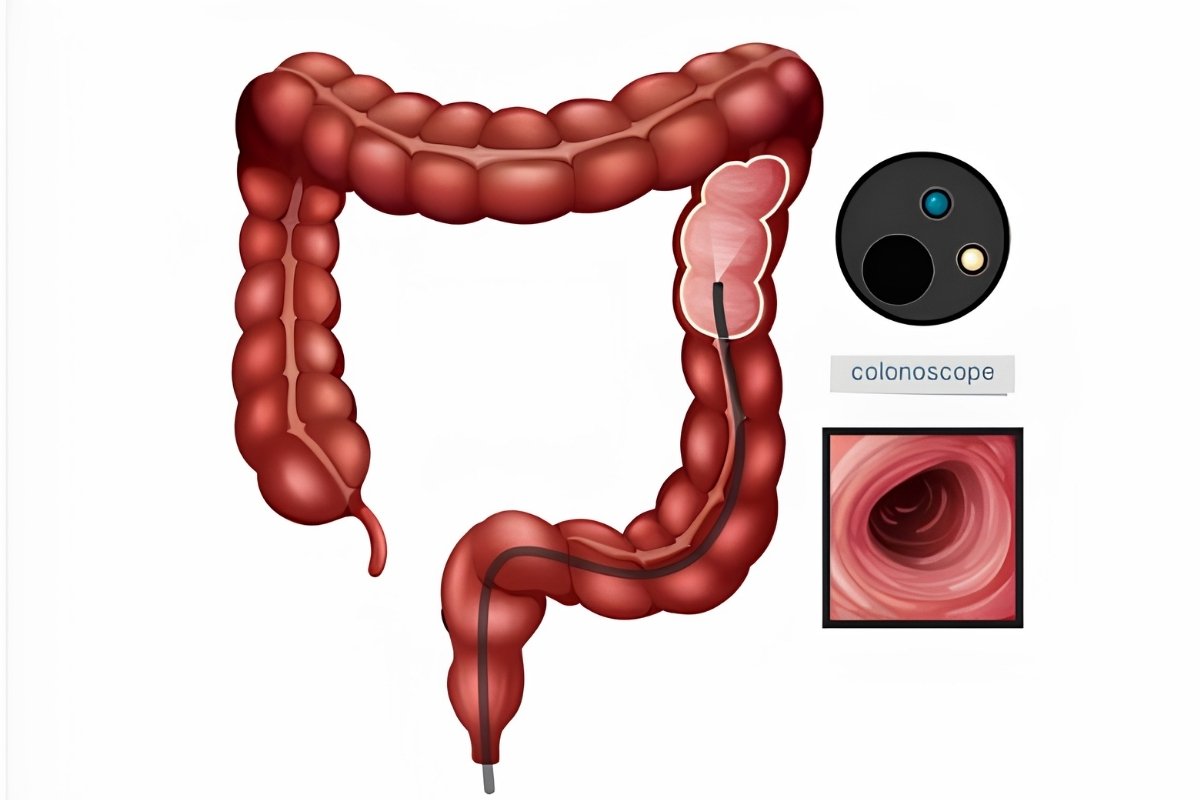
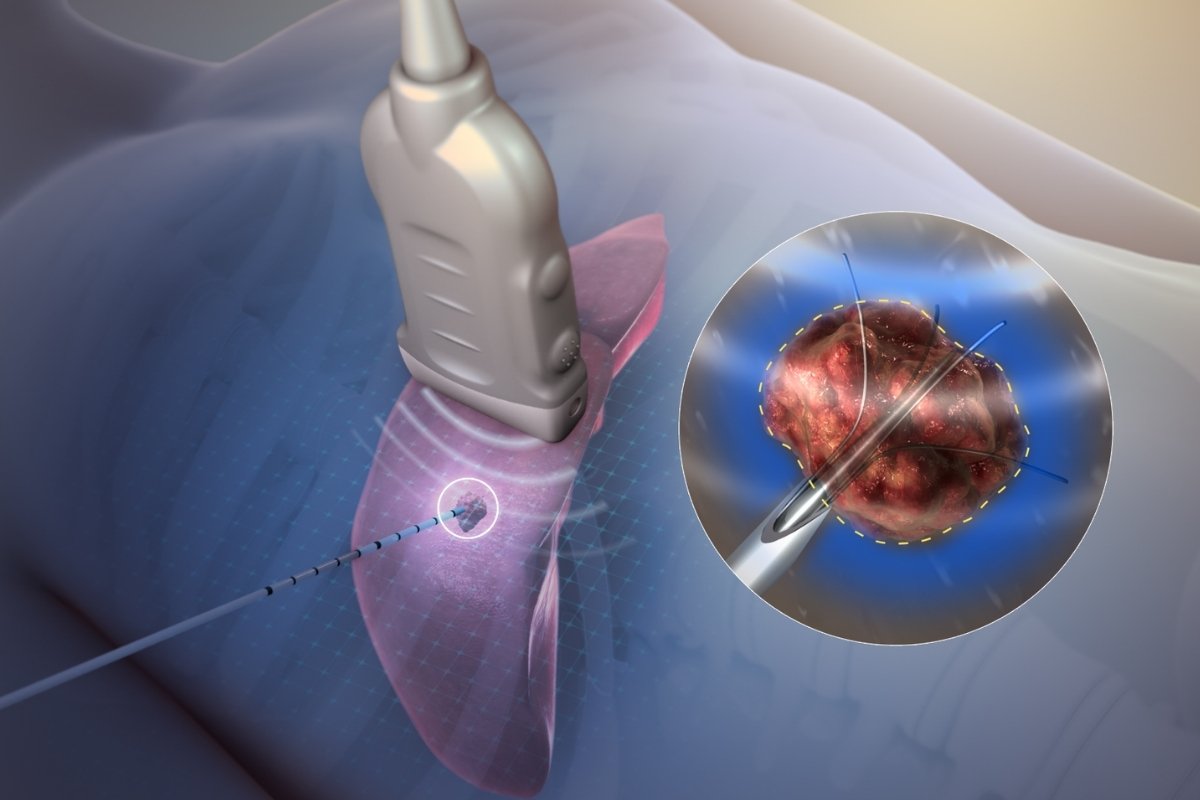
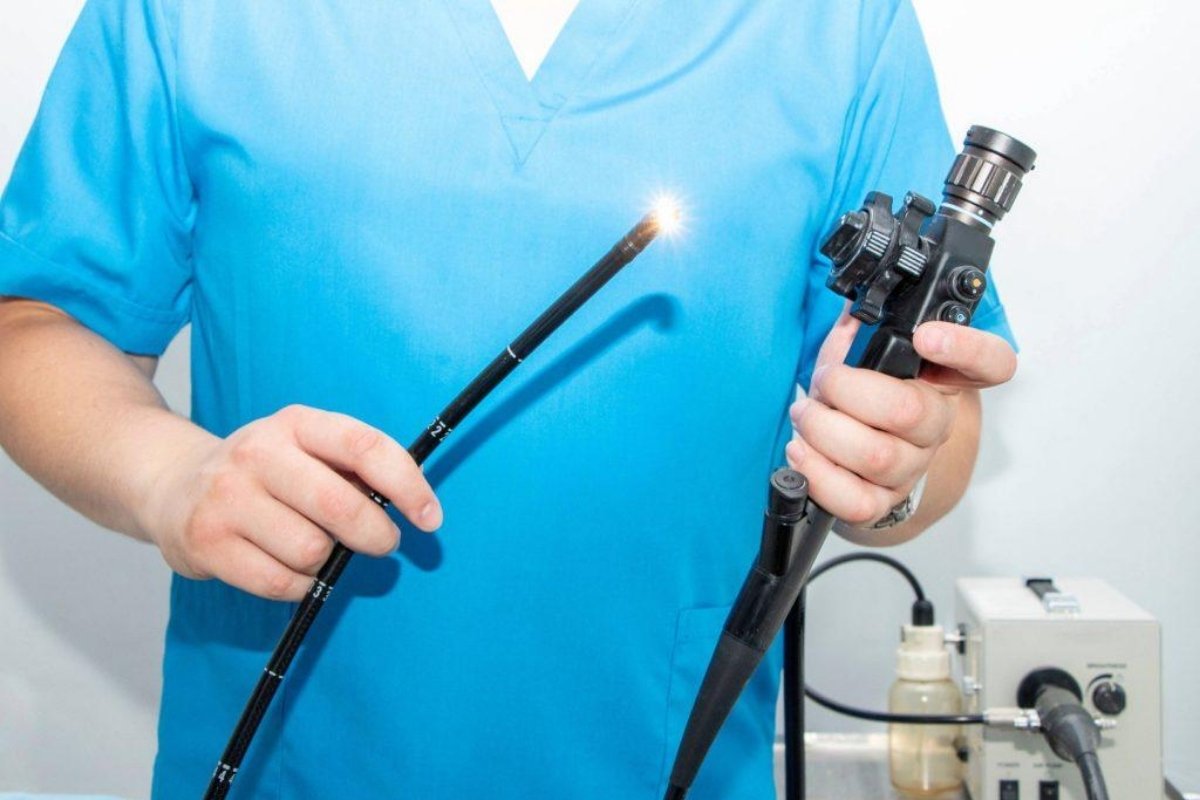
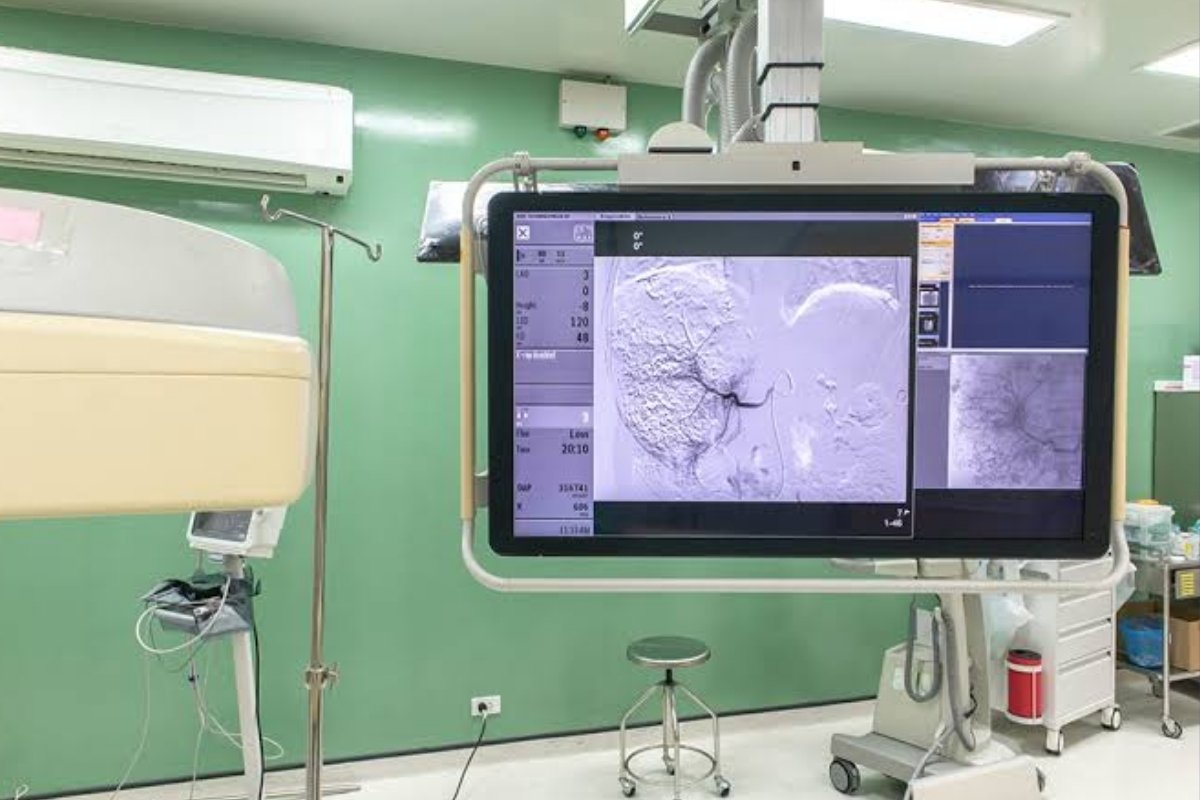
Liver Procedures Performed by a Hepatologist in Mumbai
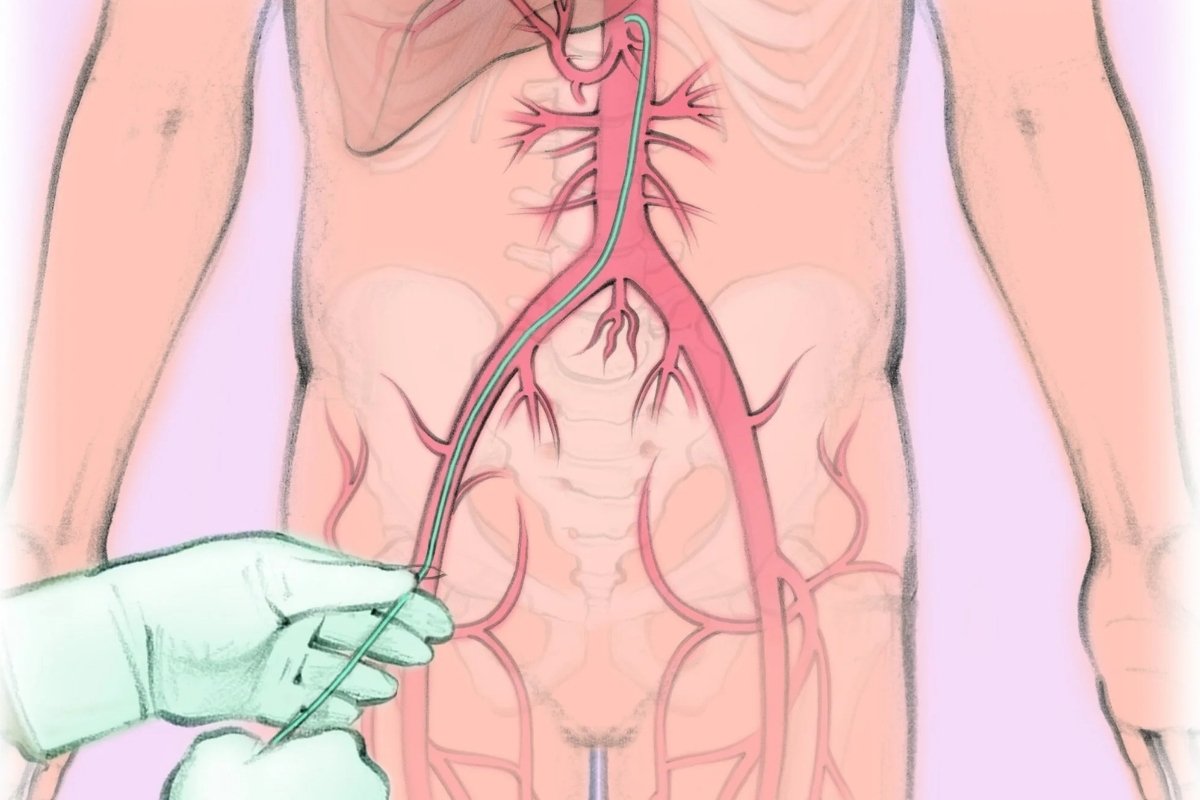
Specialist Treatment for Liver Diseases in Mumbai
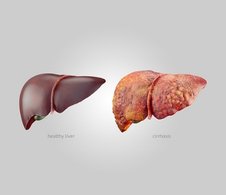
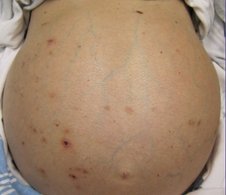
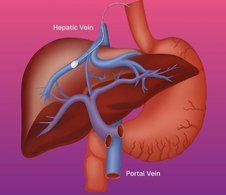
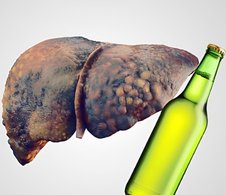
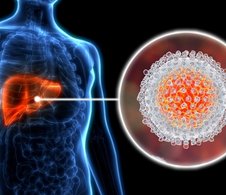
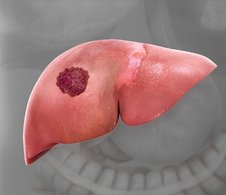
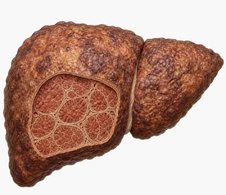
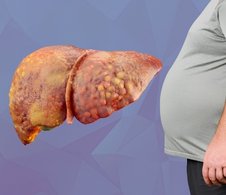
Signs You Shouldn't Ignore
The liver rarely complains loudly. These are the quiet signals worth acting on:
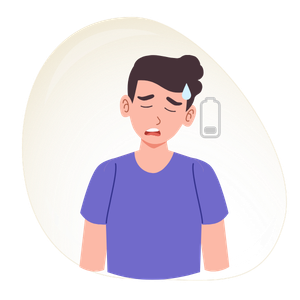
Persistent fatigue

Loss of appetite
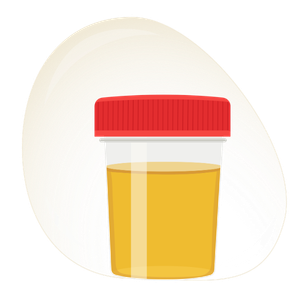
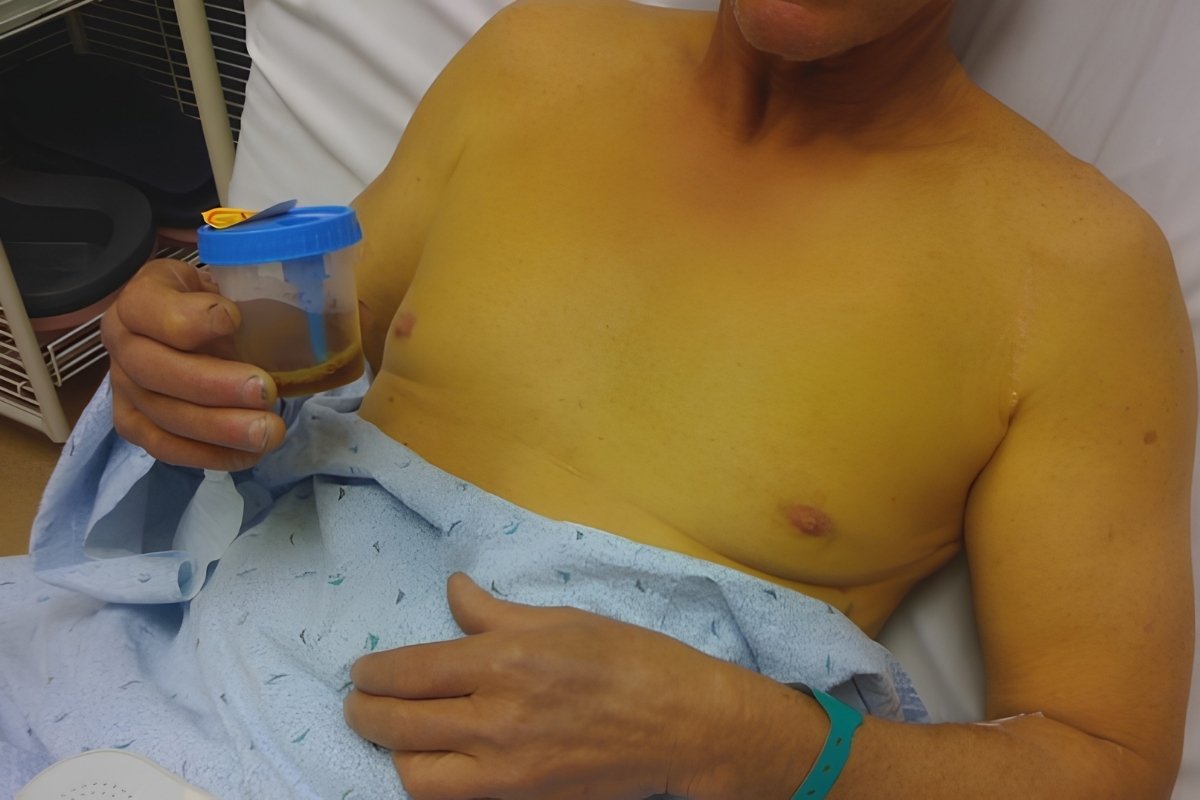
Dark urine

Yellowing of eyes or skin

Abdominal or leg swelling
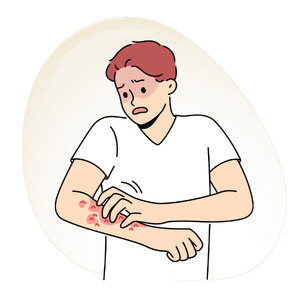
Itchy skin without obvious cause
Understanding Your Liver - Before It's a Crisis
Your liver is one of the few organs that can quietly compensate for damage for years – which is exactly why liver disease is often missed until it’s advanced. It processes everything you eat, drink, and take as medication, filters toxins, and manages critical functions like blood clotting and immunity.
Conditions like fatty liver disease (MASLD/NASH), viral hepatitis (B & C), cirrhosis, portal hypertension, and acute liver failure often begin with no symptoms at all. Regular liver check-ups become especially important if you have diabetes, high cholesterol, a history of alcohol use, or a family history of liver disease.
Who should consider a liver specialist consultation:
Anyone with abnormal liver function tests (LFTs) on a routine check-up
People with fatty liver detected on an ultrasound
Patients diagnosed with Hepatitis B or C
Anyone with unexplained fatigue, abdominal swelling, or jaundice
Patients already diagnosed with cirrhosis needing specialist follow-up
Hepatologist in Mumbai for Complex Liver Disease
When your liver needs expert care, choosing the right specialist matters. Dr Chetan Kalal is Maharashtra’s first DM Hepatologist and a trusted liver transplant specialist with over a decade of focused experience in liver disease, cirrhosis, and liver transplant care. He provides specialised hepatology and transplant care to patients across Mumbai and India.

+91-83294 76669
Get clarity before your next treatment step
Expert Second Opinion for Liver Disease in Mumbai

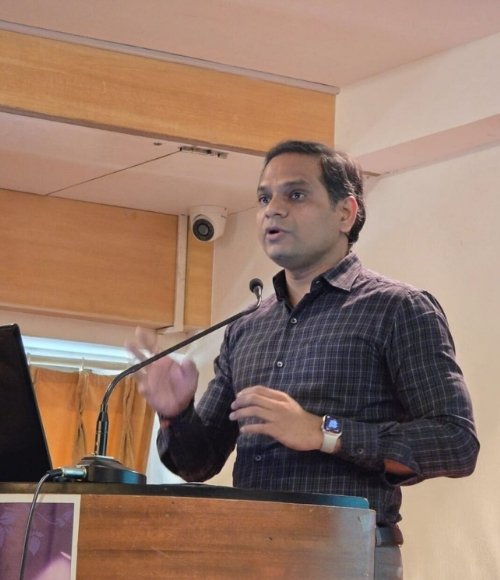
A second opinion can be useful when a liver diagnosis is unclear, treatment options are complex or you have been advised to consider advanced liver treatment or transplantation. Dr. Chetan Kalal reviews previous investigations, imaging, biopsy findings and treatment history to help clarify the diagnosis and available medical options.
Start Your Liver Care in 3 Simple Steps
Book your appointment, confirm your visit and meet Dr. Chetan Kalal for a detailed discussion about your liver health.

Call to Book
Contact the clinic to enquire about consultation availability and schedule your appointment.

Confirm Appointment
Choose a suitable date and time and receive confirmation for your scheduled consultation.

Visit the Hospital
Visit the clinic at your scheduled time with your medical reports and previous prescriptions.
Watch & Learn About Liver Health
Frequently Asked Questions
Explore answers to frequently asked questions about liver conditions, specialist evaluation, treatment options and what to expect during your care.
What do abnormal liver function test (LFT) results mean?
Abnormal LFTs mean certain liver enzymes or proteins are outside the normal range, which can indicate inflammation, fat buildup, infection, or early damage. A single abnormal report isn’t always serious, but it should be reviewed by a hepatologist to identify the underlying cause early.
Where is liver pain usually felt?
Liver-related pain or discomfort is typically felt in the upper right side of the abdomen, just below the ribs, and can sometimes radiate to the right shoulder or back. Not all liver disease causes pain, however — which is why routine testing matters more than symptoms alone.
How much alcohol is safe for liver health?
There is no universally “safe” amount of alcohol for liver health, and risk varies by individual factors like weight, genetics, and existing liver condition. For anyone with fatty liver, hepatitis, or cirrhosis, a hepatologist will usually recommend significantly reducing or fully stopping alcohol intake.
Does Dr. Chetan Kalal treat liver cancer?
Yes. He evaluates patients with liver cancer and assesses treatment options according to the tumour characteristics, stage of disease and condition of the underlying liver.
How often should I get a routine liver check-up?
For most healthy adults, a liver panel every 1–2 years alongside a general health check-up is reasonable, especially after age 40. Anyone with diabetes, obesity, high alcohol intake, or a family history of liver disease should discuss a more frequent screening schedule with a hepatologist.
What foods help improve liver health?
A liver-friendly diet emphasizes vegetables, whole grains, lean protein, and healthy fats while limiting sugar, fried food, and processed carbohydrates. Weight management is often the single most effective step for reversing early fatty liver disease, alongside regular physical activity.
Start Your Liver Care.
Consult Dr. Chetan Kalal