
TACE – Transarterial Chemoembolization for Liver Cancer
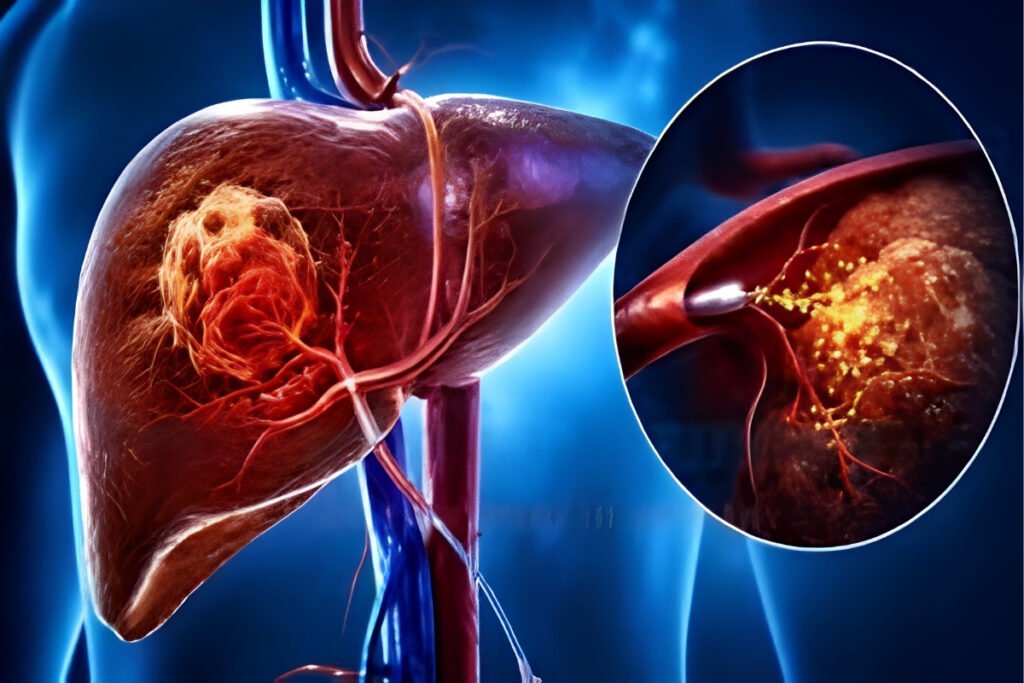
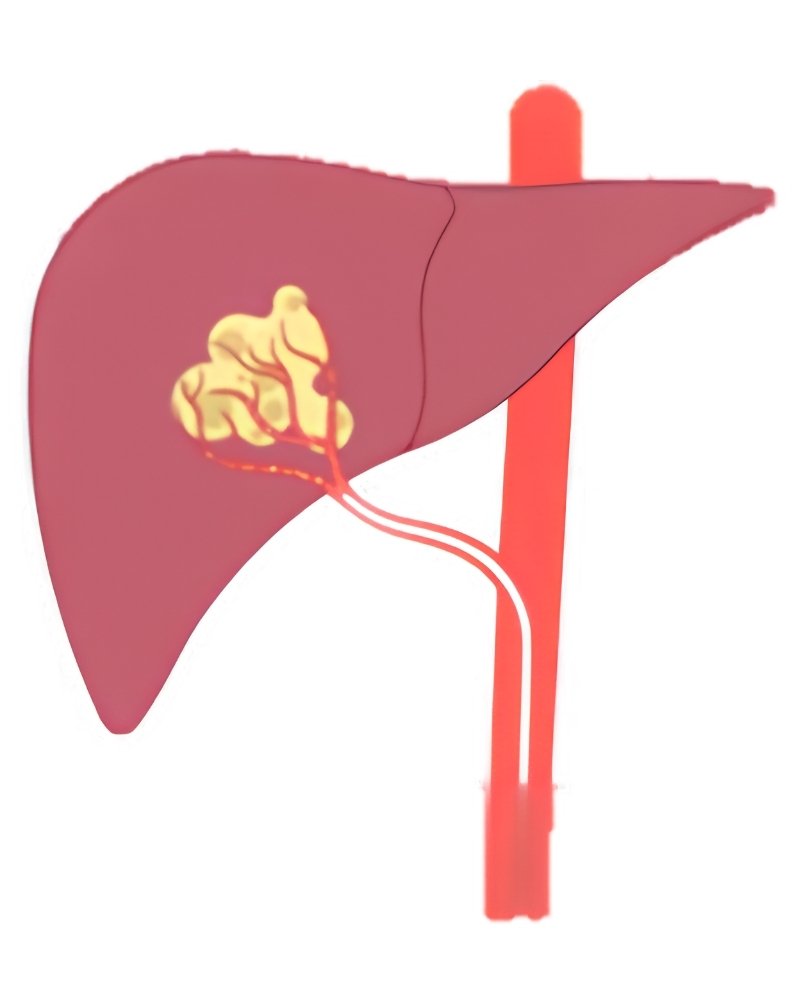
TACE exploits a biological quirk of liver cancer: HCC draws its blood supply almost exclusively from the hepatic artery, while normal liver parenchyma is mostly portal-fed. By delivering chemotherapy and an embolic agent directly into the artery feeding the tumour, TACE concentrates drug at the target while starving the tumour of oxygen – with minimal systemic exposure. It is the standard of care for intermediate-stage HCC and has extended survival in this group by 12-18 months beyond supportive care alone. I am Dr Chetan Kalal, DM Hepatologist at Gleneagles Hospital Mumbai. TACE decisions at our centre are made through the multidisciplinary tumour board.
What Is TACE?
A catheter is threaded via the femoral artery to the hepatic artery, then super-selectively into the vessel supplying the tumour. Two components are then delivered:
- Chemotherapy: doxorubicin or cisplatin, concentrated within the tumour
- Embolic material: lipiodol (an oily contrast medium that is retained in tumour vessels) plus gelfoam particles (conventional TACE, cTACE), or drug-eluting beads pre-loaded with doxorubicin (DEB-TACE)
DEB-TACE releases drug more slowly and uniformly than cTACE, resulting in lower peak plasma doxorubicin levels and potentially fewer systemic side effects. Both techniques achieve comparable tumour control in clinical trials, and the choice is made by the interventional radiology team based on tumour vascularity and patient factors.
When Is TACE Used?
Intermediate HCC (BCLC B)
Multinodular HCC without portal vein invasion or extrahepatic spread, in a patient with preserved liver function (Child-Pugh A or early B). TACE is the guideline-recommended first-line treatment in this group.
Downstaging to Transplant
Tumours initially outside Milan criteria (single >5 cm, or 2-3 nodules with at least one >3 cm) may be downstaged by TACE to within criteria, enabling the patient to become eligible for transplant.
Bridge to Transplant
For patients already listed for transplant, TACE controls tumour growth during the waiting period and prevents dropout due to disease progression.
Combination Strategies
TACE + RFA for tumours 3-5 cm achieves better local control than either alone. TACE + systemic therapy (e.g., sorafenib, or increasingly lenvatinib/immunotherapy) is under active investigation.
TACE-Refractoriness
Not all patients respond to TACE, and repeated sessions in a non-responding liver cause cumulative damage without benefit. TACE-refractoriness is defined as viable tumour or progressive disease despite two adequately performed TACE sessions, or if portal vein invasion or extrahepatic spread develops. At this point, the tumour board transitions the patient to systemic therapy – atezolizumab-bevacizumab, sorafenib, or lenvatinib – rather than continuing ineffective locoregional treatment.
The Procedure and Recovery
TACE is performed by our interventional radiology team under local anaesthesia and IV sedation. The procedure takes 1-3 hours. Most patients are admitted for 24-48 hours. Post-embolization syndrome – fever, right upper quadrant pain, nausea, and malaise – is expected in 50-80% of patients and typically lasts 3-7 days. Simple analgesia, antiemetics, and IV fluids manage these symptoms. Serious complications (hepatic abscess, liver failure, non-target embolization) occur in under 5% of cases at experienced centres.
Response is assessed at 4-6 weeks by contrast-enhanced CT or MRI using mRECIST criteria. Dr Kalal reviews the imaging, liver function tests, and AFP trajectory to decide whether to repeat TACE, switch strategies, or proceed to transplant evaluation.
Discuss Your HCC Treatment Plan
TACE decisions require careful staging of the tumour and liver function – not every patient with HCC benefits equally. Dr Kalal’s multidisciplinary team at Gleneagles Hospital Mumbai will review your case and recommend the approach most likely to extend survival and preserve liver function.