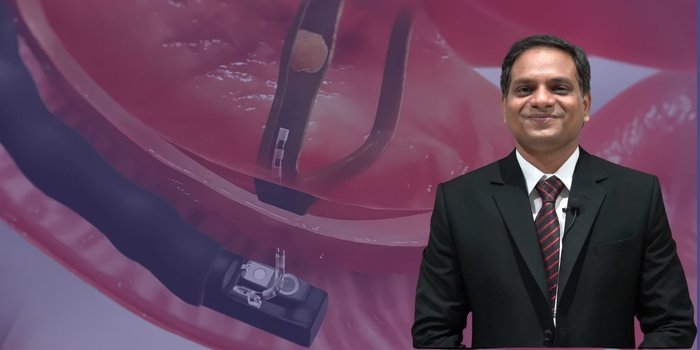

ERCP in Mumbai
Understanding Endoscopic Retrograde Cholangiopancreatography (ERCP)
Endoscopic Retrograde Cholangiopancreatography (ERCP) is an advanced endoscopic procedure used to examine and treat problems affecting the bile ducts and pancreatic ducts. It combines endoscopy with X-ray imaging to identify blockages, narrowing, leaks and other abnormalities within these ducts.
Unlike procedures performed only for diagnosis, ERCP is primarily used when a bile duct or pancreatic duct problem may require treatment during the same procedure. Depending on the underlying condition, it can help remove bile duct stones, relieve obstruction, place a stent or obtain tissue samples.
For patients seeking ERCP in Mumbai, Dr. Chetan Kalal provides specialist hepatology assessment to determine whether ERCP is appropriate and whether an endoscopic intervention can address the underlying biliary or pancreatic problem.
Dr. Chetan Kalal: Expertise in Advanced Hepatology & Biliary Care
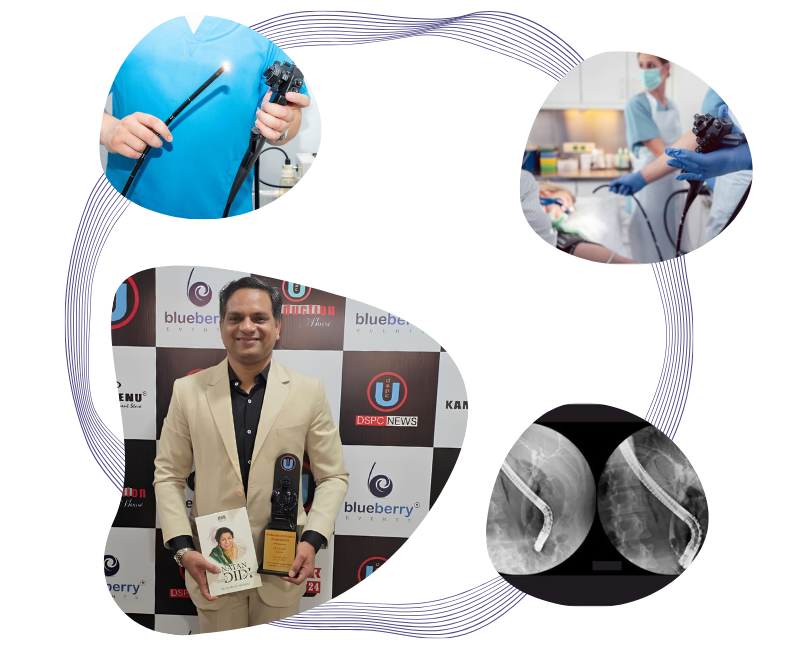
Dr. Chetan Kalal is a DM Hepatologist with 15+ years of experience managing liver, biliary and complex hepatology conditions. Recognised as Maharashtra’s first DM Hepatologist, he completed his DM Hepatology training at ILBS, New Delhi, under Prof. S. K. Sarin. His experience in advanced liver and biliary disorders helps assess when an endoscopic procedure such as ERCP may be required as part of the overall treatment plan.
15+ Years of Experience
Extensive experience managing complex liver, biliary and digestive disorders.
First DM Hepatologist in Maharashtra
Advanced specialist training in hepatology from ILBS, New Delhi.
Advanced Biliary Care Expertise
Experience evaluating conditions affecting the bile ducts, liver and pancreas.
Liver Transplant Expertise
Experience managing advanced liver disease and transplant-related conditions.
Your ERCP Evaluation Starts With Understanding the Underlying Problem
ERCP is not required for every patient with abnormal liver tests, jaundice or abdominal symptoms. A detailed assessment helps determine whether the problem involves the bile ducts or pancreatic ducts and whether an endoscopic intervention is appropriate. The evaluation focuses on:


ERCP in Mumbai: Understanding How the Procedure Works
ERCP combines endoscopy and fluoroscopic X-ray imaging to access and evaluate the bile and pancreatic ducts.
Endoscopic Access
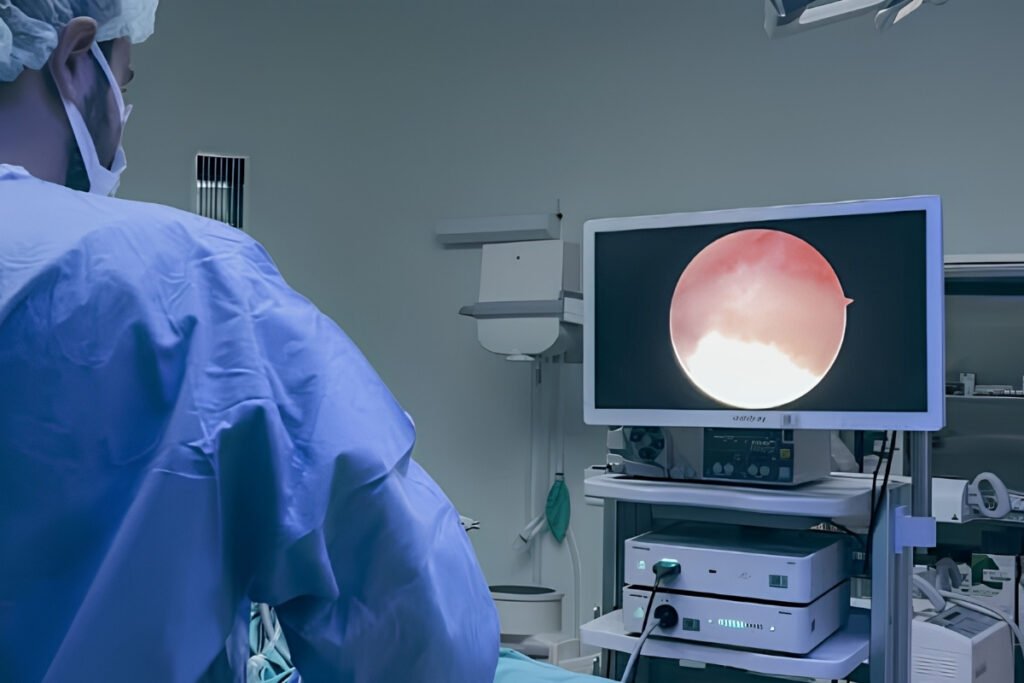
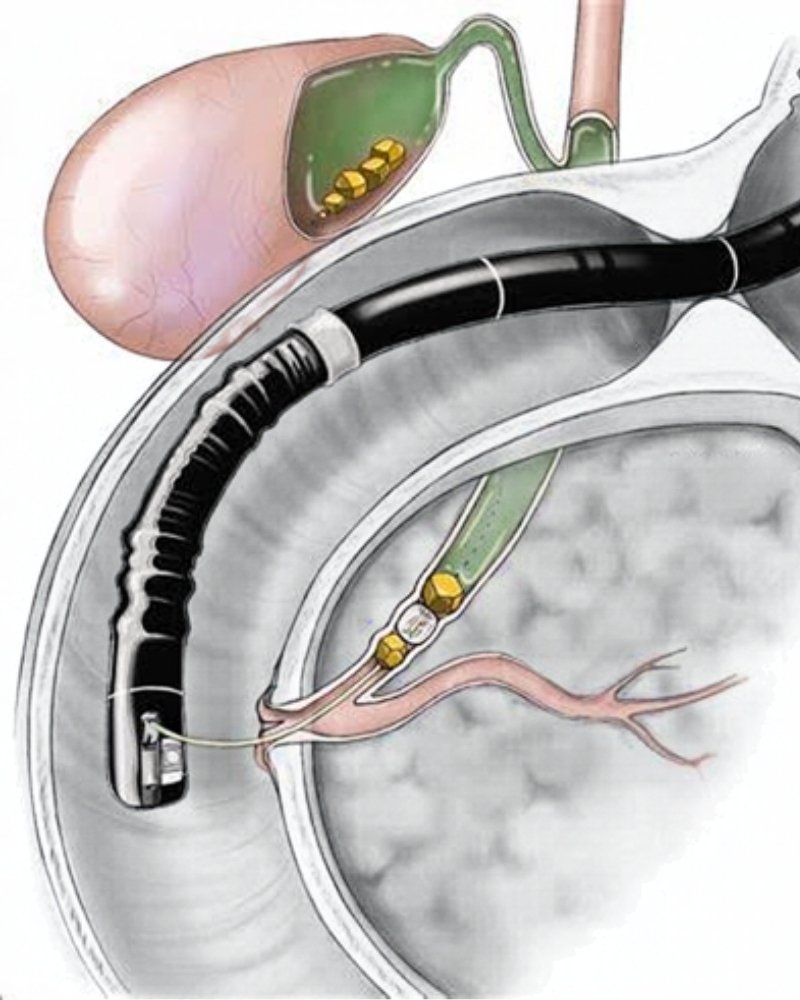
A flexible endoscope is passed through the mouth into the stomach and first part of the small intestine to reach the opening of the bile and pancreatic ducts.
Contrast Imaging
Contrast material is introduced into the ducts so their anatomy and any obstruction, narrowing or leakage can be visualised using X-ray imaging.
Duct Intervention
Specialised instruments can be passed through the endoscope to remove stones, widen narrowed areas or perform other required interventions.
Stent Placement
A small stent may be placed in selected cases to maintain drainage when a bile duct or pancreatic duct remains narrowed or obstructed.
What Problems Can ERCP Help Treat?
ERCP is mainly used when a condition affecting the bile or pancreatic ducts requires an endoscopic intervention.
When Is ERCP Recommended?
ERCP is generally considered when imaging, symptoms or laboratory findings suggest a bile duct or pancreatic duct problem that may benefit from endoscopic treatment. It may be recommended when there is:
- Common Bile Duct Stone - A stone is suspected or confirmed within the bile duct and requires removal.
- Obstructive Jaundice- Bile flow is blocked and the obstruction needs to be identified and relieved.
- Bile Duct Stricture - A narrowed section of the duct is affecting bile drainage or requires further evaluation.
- Biliary Infection - An obstructed and infected bile duct may require urgent drainage after appropriate assessment.
- Bile Duct Leak - A leak from the biliary system may require endoscopic treatment to support healing.
- Pancreatic Duct Problem - Selected pancreatic duct abnormalities may require ERCP for therapeutic intervention.
Building a Treatment Strategy Around the Cause of Biliary Obstruction
The role of ERCP depends on the underlying condition, location of the obstruction and whether treatment can be achieved endoscopically.
Removing Bile Duct Stones
When stones are responsible for obstruction, ERCP may be used to access the duct and remove them using specialised endoscopic techniques.
Relieving Bile Duct Obstruction
If bile flow is blocked, endoscopic intervention may help restore drainage and relieve jaundice or other related problems.
Treating Bile Duct Narrowing
A narrowed duct may require dilation, stent placement or additional evaluation depending on the cause and extent of the stricture.
Managing Bile Duct Leaks
ERCP can reduce pressure within the biliary system and support healing in selected patients with bile leaks.
Addressing Pancreatic Duct Problems
Selected pancreatic duct strictures, stones or leaks may be treated through endoscopic intervention when appropriate.
Planning Further Treatment
When obstruction is related to a tumour or complex disease, ERCP may form one part of a broader treatment plan involving additional imaging, tissue diagnosis or specialist care.
The procedure is planned after reviewing the patient’s symptoms, reports and previous imaging to determine the expected therapeutic objective.

Medical history, medicines, blood-thinning drugs and relevant investigations are reviewed before the procedure.

ERCP is performed with appropriate sedation or anaesthesia so that the procedure can be carried out safely and comfortably.

The endoscope is guided through the upper digestive tract to reach the opening of the bile and pancreatic ducts.

Contrast imaging is performed and, when required, stones are removed, narrowed areas are treated or a stent is placed.
Frequently Asked Questions
Is ERCP used for diagnosis or treatment?
ERCP is primarily used as a therapeutic procedure when a bile duct or pancreatic duct problem requires intervention. Other tests such as MRCP, ultrasound or EUS may be used when diagnostic imaging is needed without an immediate endoscopic treatment.
Can ERCP remove bile duct stones?
Yes. Stones located in the common bile duct can often be removed during ERCP using specialised endoscopic instruments. Additional procedures or stent placement may be required in more complex cases.
Is ERCP performed under anaesthesia?
ERCP is generally performed with sedation or anaesthesia so that the patient remains comfortable during the procedure. The approach depends on the planned intervention and the patient’s clinical condition.
How long does it take to recover after ERCP?
Recovery varies depending on the complexity of the procedure and the patient’s overall health. Many patients are monitored for several hours afterwards, while some may require longer observation or hospital admission.
What are the possible complications of ERCP?
ERCP is an established procedure, but complications can occur. These may include pancreatitis, bleeding, infection or perforation. The potential risks are assessed before the procedure based on the patient’s condition and planned intervention.
What happens if ERCP is not suitable?
If ERCP is not appropriate or cannot address the problem, other approaches may be considered depending on the condition. These can include MRCP, EUS, surgery, radiological intervention or continued medical management.
If you have jaundice, abnormal liver tests, bile duct stones, narrowing or other findings suggesting a biliary problem, specialist evaluation can help clarify whether ERCP is required.