



Chronic Liver Disease Treatment in Mumbai

Understanding Chronic Liver Disease

Chronic liver disease refers to ongoing liver injury that persists over months or years and can gradually lead to inflammation, fibrosis and, in advanced cases, cirrhosis. It can develop due to hepatitis B or C, fatty liver disease, alcohol-related liver disease, autoimmune liver conditions, genetic disorders and several other causes. Because early chronic liver disease may produce few noticeable symptoms, liver damage can sometimes progress before it is detected. Identifying the underlying cause and assessing the extent of liver injury can help determine what can be treated, what needs monitoring and how progression can be reduced.

For patients seeking Chronic Liver Disease in Mumbai, Dr. Chetan Kalal brings specialised hepatology expertise in evaluating long-standing liver conditions, assessing fibrosis and managing patients at different stages of chronic liver disease.

Chronic Liver Disease

Dr. Chetan Kalal: Expertise in Managing Chronic Liver Disease

Expertise in Managing Chronic Liver Disease

Dr. Chetan Kalal is a DM Hepatologist with 15+ years of experience in managing complex liver conditions, including chronic liver disease, hepatitis, fatty liver disease, cirrhosis and liver transplant-related care. Recognised as Maharashtra’s first DM Hepatologist, he trained in Hepatology at ILBS, New Delhi, under Prof. S. K. Sarin. His experience includes identifying the cause and stage of liver disease, managing complications and determining when advanced liver or transplant evaluation may be required.

15+ Years of Experience

Extensive experience managing chronic and complex liver disorders.

First DM Hepatologist in Maharashtra

Advanced specialist training in hepatology from ILBS, New Delhi.

Liver Transplant Expertise

Experience managing advanced liver disease and transplant-related care.

Research & Publications

26 peer-reviewed publications in national and international journals.

Your Chronic Liver Disease Evaluation Starts With Finding the Cause

Chronic liver disease can have different causes, and identifying the source of ongoing liver injury is an important first step in management. The initial assessment looks at:

Underlying cause
Evaluating viral, metabolic, alcohol-related, autoimmune and genetic causes.
Liver function
Assessing how effectively the liver is performing its essential functions.

Degree of fibrosis
Determining whether significant scarring has developed within the liver.

Disease progression
Assessing whether the condition is stable or showing signs of advancement.

Existing complications
Checking for portal hypertension, ascites, bleeding or hepatic encephalopathy.

Associated conditions
Reviewing diabetes, obesity, nutritional problems and other factors affecting liver health.
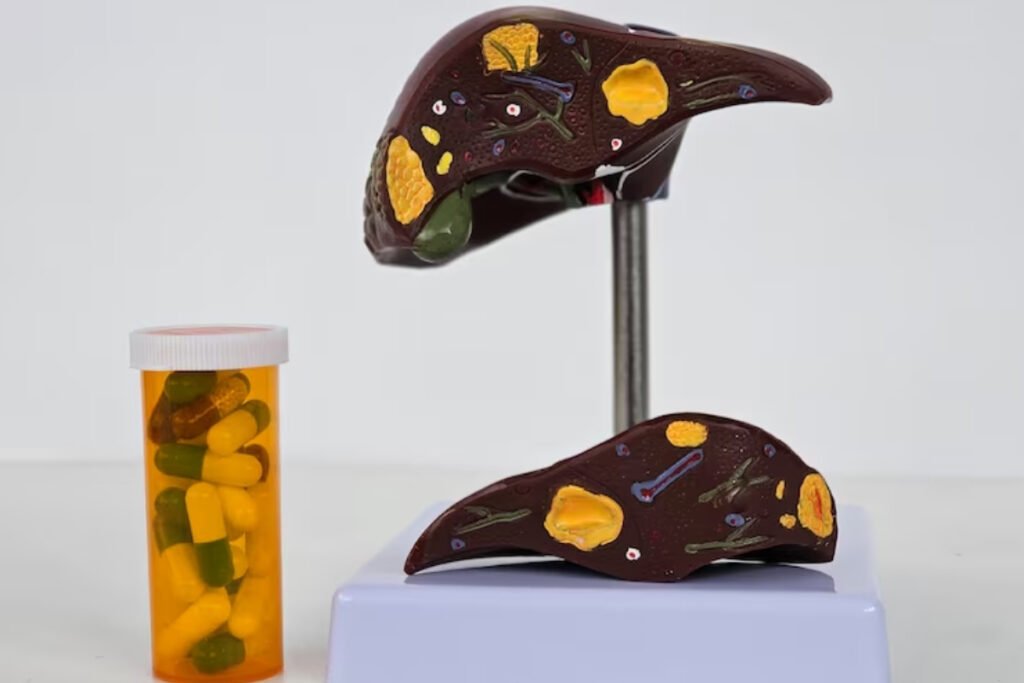

Chronic Liver Disease in Mumbai: Assessing the Extent of Liver Damage

Liver enzymes alone cannot determine the full extent of chronic liver damage. A detailed evaluation may combine blood tests, liver imaging and non-invasive fibrosis assessment to understand both liver function and structural changes. Depending on the clinical picture, assessment may include:

Liver Disease in Mumbai

From Ongoing Liver Injury to Advanced Liver Disease

Early identification and treatment of the underlying cause can help reduce ongoing liver injury and delay or prevent progression. Chronic liver disease can progress gradually, although the rate of progression differs according to its cause and individual risk factors.

Persistent Liver Injury

Occurs when conditions such as viral hepatitis, alcohol exposure, or autoimmune disorders continue to affect the liver.

Liver Fibrosis

Develops when repeated injury causes scar tissue to accumulate within the liver.

Decompensated Liver Disease

Occurs when complications such as ascites, jaundice, variceal bleeding or hepatic encephalopathy develop.

Cirrhosis

Develops when extensive scarring changes the structure and function of the liver.

chronic liver specialist

When Should You Seek Specialist Liver Evaluation?

A hepatology consultation is important when liver abnormalities persist, a chronic liver condition has already been diagnosed or there are risk factors for progressive liver damage. You should seek evaluation if you have:

Building a Treatment Strategy Around the Cause and Stage

Treatment depends on the underlying cause, degree of fibrosis, liver function and presence of complications. The objective is to control ongoing liver injury while monitoring for disease progression.

When Does Liver Transplant Evaluation Become Relevant?

Most patients with chronic liver disease do not require transplantation. Evaluation becomes relevant when progressive liver damage results in advanced or decompensated disease and liver function can no longer be adequately maintained with medical treatment. Transplant evaluation may be considered in patients with:

Step 1

Recurrent or difficult-to-control ascites

Step 2

Progressive deterioration in liver function

Step 3

Selected patients with hepatocellular carcinoma

Step 4

Other features indicating advanced liver disease

Frequently Asked Questions

The possibility of improvement depends on the underlying cause and extent of liver damage. Treating the cause can reduce ongoing injury, while advanced fibrosis or cirrhosis is more difficult to reverse completely.

Yes. Persistent fatty liver-related inflammation can cause fibrosis and, in some patients, eventually progress to cirrhosis. Assessing fibrosis helps identify patients at greater risk of progression.

Evaluation may include blood tests, viral and autoimmune testing, liver imaging and non-invasive fibrosis assessment. Additional investigations are selected according to the suspected cause and stage of disease.

No. Many patients remain stable when the underlying cause is identified and appropriately managed. Progression depends on the cause, degree of liver injury and several individual risk factors.

Yes. Early chronic liver disease may cause few or no noticeable symptoms. Abnormal liver tests or imaging may sometimes identify the condition before significant complications develop.

Monitoring depends on the cause and stage of liver disease. Patients with advanced fibrosis or cirrhosis generally require regular follow-up to assess liver function and detect complications at an early stage.

Managing Chronic Liver Disease Before It Progresses

If you have persistent liver abnormalities, known hepatitis, fatty liver, long-term alcohol exposure or a previous diagnosis of chronic liver disease, consult a hepatologist to understand the condition of your liver and the next appropriate step.

Copyright © 2026 DR. CHETAN KALAL | DESIGNED BY EEG TECHNOGEEKS

Scroll to Top