
Portal Hypertension Management in Mumbai
Understanding Portal Hypertension
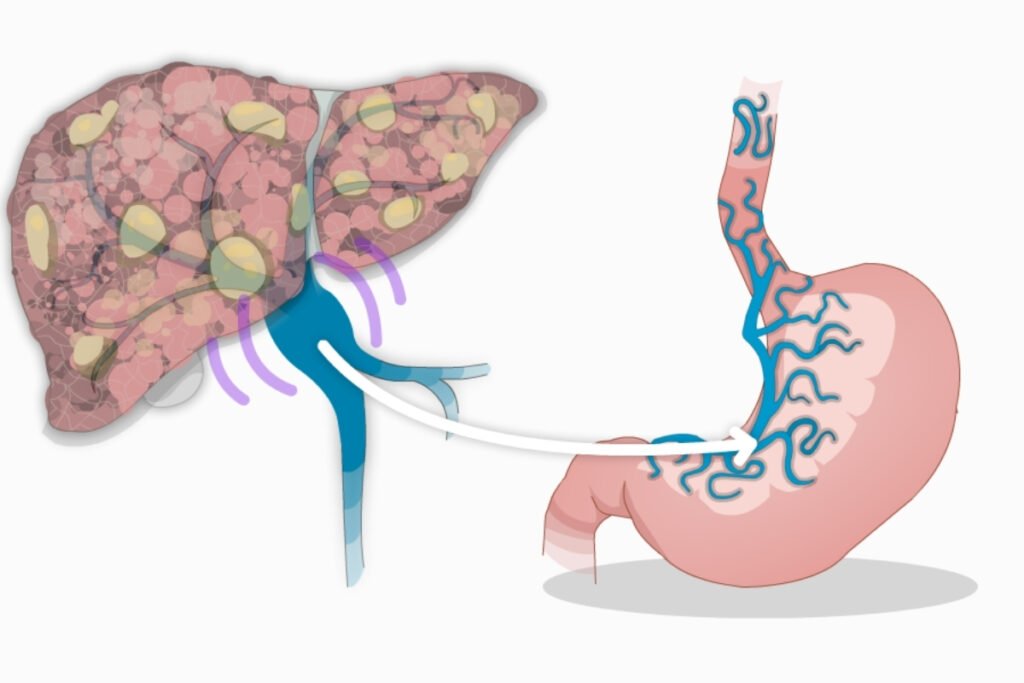
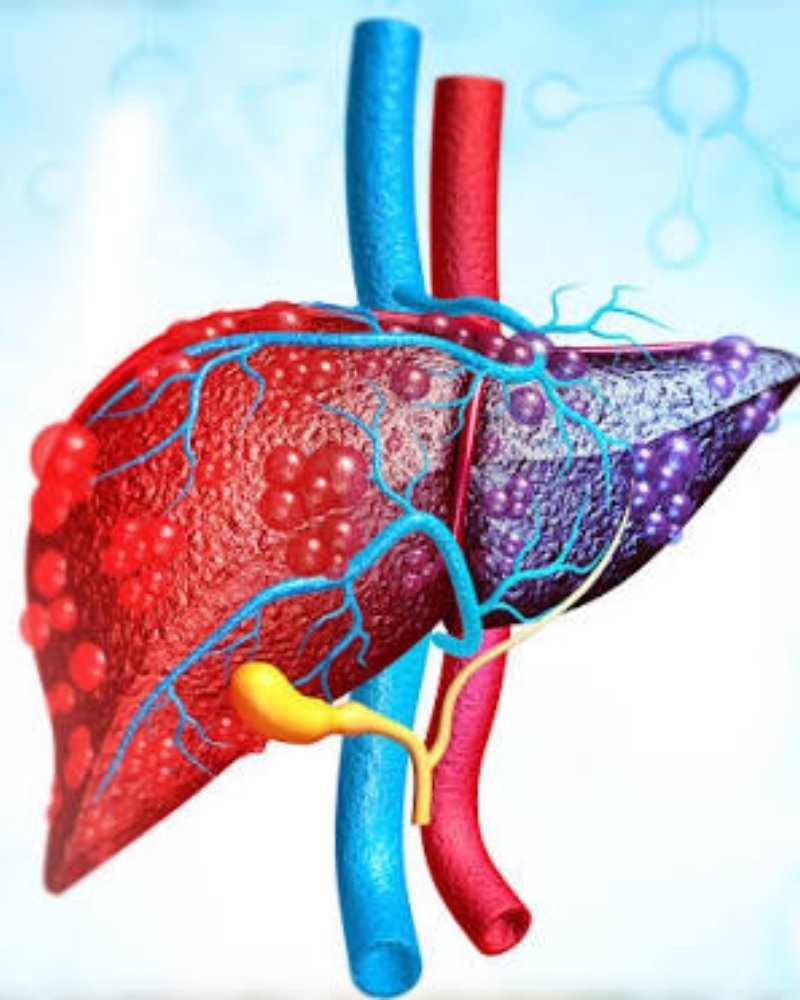
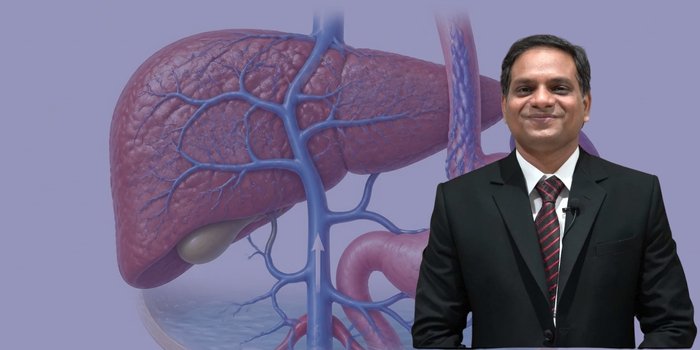
Portal hypertension occurs when blood pressure increases within the portal venous system, which carries blood from the digestive organs to the liver. It most commonly develops because of advanced liver scarring and cirrhosis, although conditions affecting the portal vein or blood flow through the liver can also cause it.
As pressure increases, the body may form alternative blood vessels called varices. These enlarged veins can bleed, while portal hypertension can also contribute to ascites, an enlarged spleen and changes in blood counts. Early evaluation helps identify the cause, assess the severity and reduce the risk of complications.
For patients seeking Portal Hypertension in Mumbai, Dr. Chetan Kalal provides specialist hepatology assessment and management of portal hypertension and its complications, including varices and ascites.
Dr. Chetan Kalal: Expertise in Managing Portal Hypertension
Dr. Chetan Kalal is a DM Hepatologist with 15+ years of experience in managing complex liver conditions, including cirrhosis, portal hypertension and liver transplant-related care. Recognised as Maharashtra’s first DM Hepatologist, he trained in Hepatology at ILBS, New Delhi, under Prof. S. K. Sarin. His experience includes evaluating portal hypertension, managing its complications and determining when advanced interventions may be required.
15+ Years of Experience
Extensive experience managing complex liver and digestive disorders.
First DM Hepatologist in Maharashtra
Advanced specialist training in hepatology from ILBS, New Delhi.
Portal Hypertension Expertise
Experience managing varices, ascites and related complications.
Liver Transplant Expertise
Experience managing advanced liver disease and transplant-related care.
Your Portal Hypertension Evaluation Starts With Finding the Source
Portal hypertension can develop at different points within the blood flow system around the liver. Identifying where the resistance occurs and how significantly it has affected circulation helps determine the appropriate management approach. The initial assessment focuses on:


Portal Hypertension in Mumbai: Assessing the Risk of Complications
Portal hypertension may remain unnoticed until one of its complications develops. A detailed assessment can help identify patients who require preventive treatment or closer monitoring. Depending on the clinical situation, evaluation may include:
From Increased Portal Pressure to Liver-Related Complications
Portal hypertension can affect several organs and blood vessels as pressure within the portal system increases.
When Should You Seek Specialist Liver Evaluation?
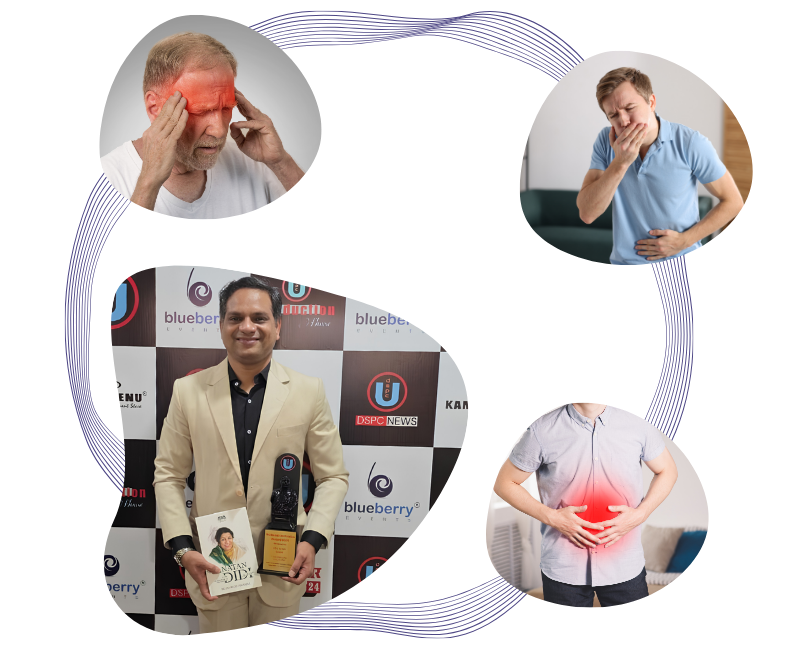
People with cirrhosis or other chronic liver conditions should be assessed for portal hypertension, particularly when there are signs suggesting its complications. Seek urgent medical attention if you develop:
- Vomiting blood - Blood in vomit may indicate bleeding from varices and requires immediate hospital assessment.
- Black or Tarry Stools - Dark, tar-like stools can indicate bleeding within the upper digestive tract.
- Increasing Abdominal Swelling - New or worsening abdominal fluid accumulation may indicate progression of portal hypertension.
- Increasing Abdominal Discomfort - Persistent swelling or discomfort may require assessment for ascites or other complications.
- Dizziness or Weakness After Bleeding - Sudden weakness, dizziness or fainting can occur with significant blood loss and requires emergency care.
Treatment depends on the underlying cause, severity of portal hypertension and whether complications such as varices or ascites are already present.
Managing cirrhosis, hepatitis or another underlying condition can help reduce ongoing liver injury and influence the progression of portal hypertension.
Patients with significant varices may require medicines that reduce portal pressure or endoscopic treatment such as variceal band ligation.
Treatment may include sodium restriction, diuretics, therapeutic fluid drainage and management of factors that worsen fluid accumulation.
Variceal bleeding requires urgent hospital treatment, which may include medicines, endoscopic therapy and other measures to control bleeding and prevent recurrence.
Doppler imaging and other investigations may be used when portal vein thrombosis or changes in portal circulation are suspected.
Patients with complications that remain difficult to control may require evaluation for procedures such as TIPS or assessment for liver transplantation depending on the underlying disease.
What Happens After Portal Hypertension Is Diagnosed?
Portal hypertension requires ongoing monitoring because the risk of complications can change as liver disease progresses.

Variceal Monitoring
Endoscopic assessment may be recommended based on the severity of portal hypertension and individual bleeding risk.

Ascites Assessment
New or increasing abdominal fluid requires evaluation and adjustment of treatment when necessary.

Liver Function Monitoring
Regular assessment helps identify deterioration in liver function and progression toward advanced disease.

Complication Surveillance
Patients with cirrhosis may require ongoing monitoring for liver cancer and other complications associated with advanced liver disease.
Frequently Asked Questions About Portal Hypertension
What causes portal hypertension?
Cirrhosis is the most common cause because liver scarring increases resistance to blood flow through the liver. Portal hypertension can also result from portal vein problems or other conditions affecting blood flow around the liver.
Can portal hypertension be reversed?
The possibility depends on its underlying cause and severity. Treating the condition responsible for increased portal pressure may improve the situation, while established cirrhosis and its complications require long-term monitoring and management.
Can portal hypertension cause internal bleeding?
Yes. Increased portal pressure can cause varices in the food pipe or stomach, which may rupture and result in significant gastrointestinal bleeding requiring urgent medical treatment.
Does portal hypertension always cause symptoms?
No. Many patients may not notice symptoms until a complication develops. Portal hypertension may be detected through imaging, blood tests, endoscopy or assessment of an underlying liver condition.
Can portal hypertension cause ascites?
Yes. Portal hypertension can contribute to fluid accumulation within the abdomen, particularly in patients with advanced cirrhosis. Ascites requires assessment to determine its cause and appropriate treatment.
When is TIPS considered?
TIPS may be considered in selected patients when complications such as recurrent variceal bleeding or difficult-to-control ascites do not respond adequately to standard treatment. Suitability depends on the overall liver condition.
If you have cirrhosis, unexplained abdominal swelling, low platelet counts or a history of gastrointestinal bleeding, consult a hepatologist to assess whether portal hypertension may be present.