Other Liver Conditions
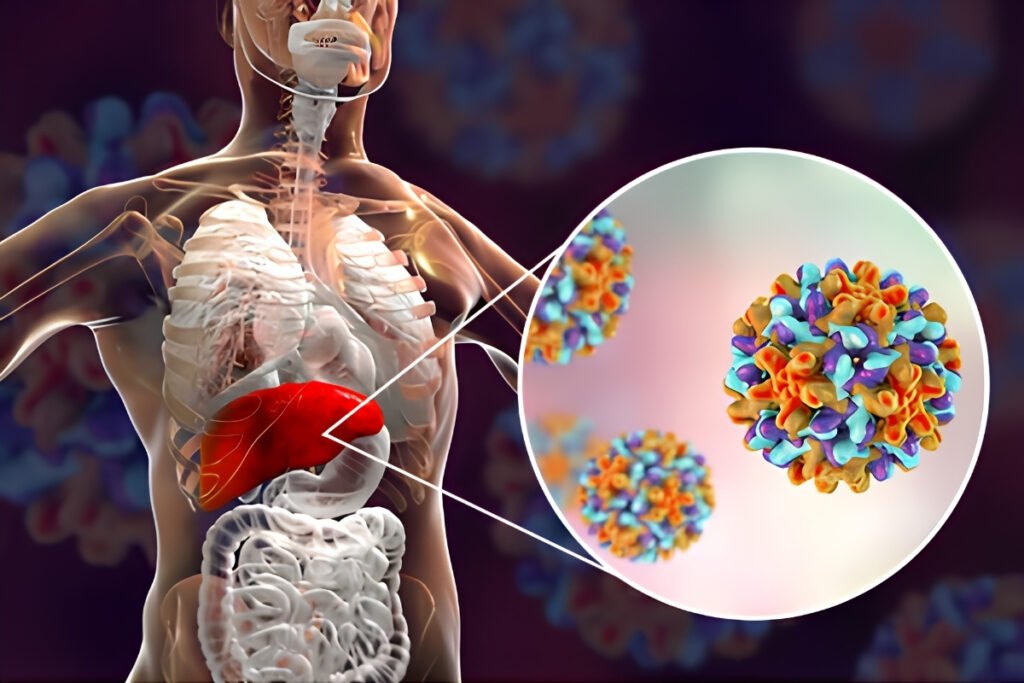
Hepatitis B
Hepatitis B is a viral liver infection that can become chronic and gradually cause liver inflammation, fibrosis, cirrhosis and liver cancer. Many people may have few or no symptoms for years, making appropriate testing and follow-up important. Evaluation focuses on viral activity, liver function and the extent of liver damage to determine whether antiviral treatment, regular monitoring or further assessment is required.
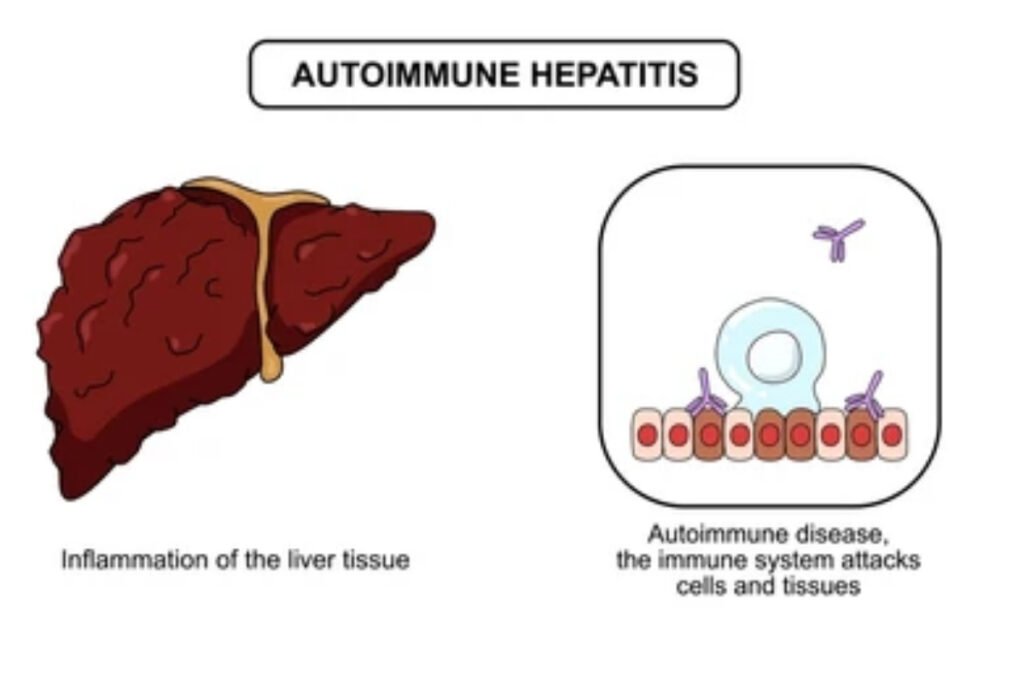
Autoimmune Hepatitis
Autoimmune hepatitis occurs when the immune system mistakenly attacks healthy liver cells, causing persistent inflammation and progressive liver injury. It can develop at different stages of life and may range from mild abnormalities in liver tests to advanced liver disease. Diagnosis involves liver tests, autoimmune markers and immunoglobulin levels, with liver biopsy considered in selected cases. Treatment aims to control inflammation and prevent further liver damage.
Wilson’s Disease
Wilson’s disease is an inherited disorder in which the body cannot properly eliminate excess copper, causing it to accumulate in the liver and other organs. It may present with abnormal liver tests, hepatitis, cirrhosis or more severe liver problems, sometimes at a younger age. Evaluation may include blood and urine copper studies, genetic testing and other investigations. Early diagnosis and treatment can help prevent progressive copper-related organ damage.
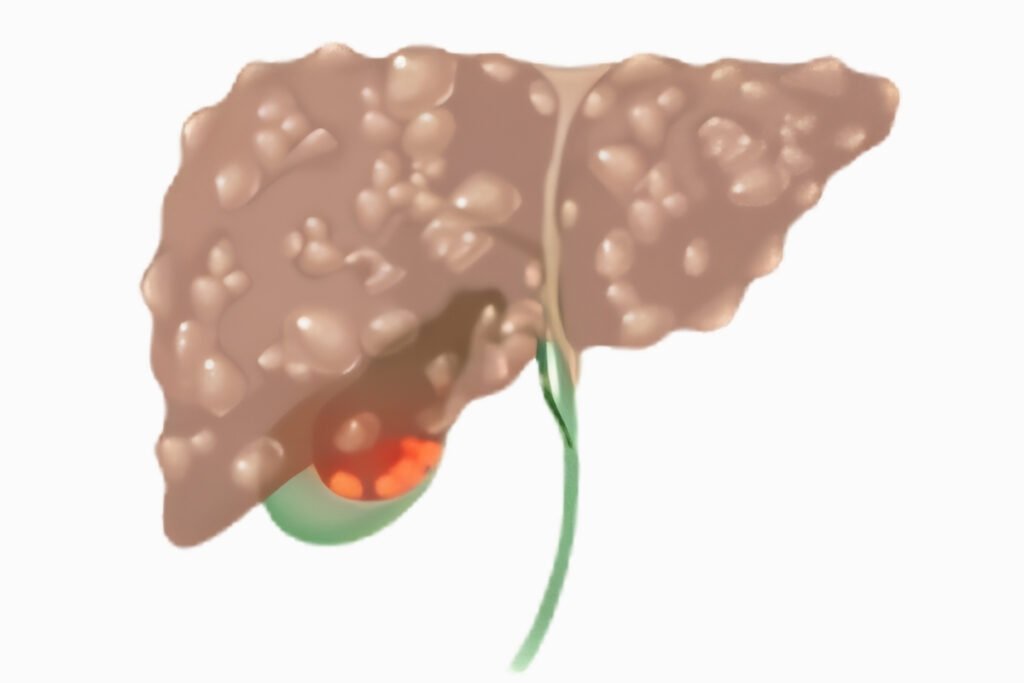
Primary Sclerosing Cholangitis (PSC)
Primary Sclerosing Cholangitis is a chronic liver condition in which inflammation and scarring develop within the bile ducts, gradually affecting the normal flow of bile. Patients may have abnormal liver tests, itching, jaundice or may be diagnosed during evaluation for another condition. Assessment includes liver function tests and specialised imaging of the bile ducts, followed by regular monitoring for complications and changes in liver function over time.
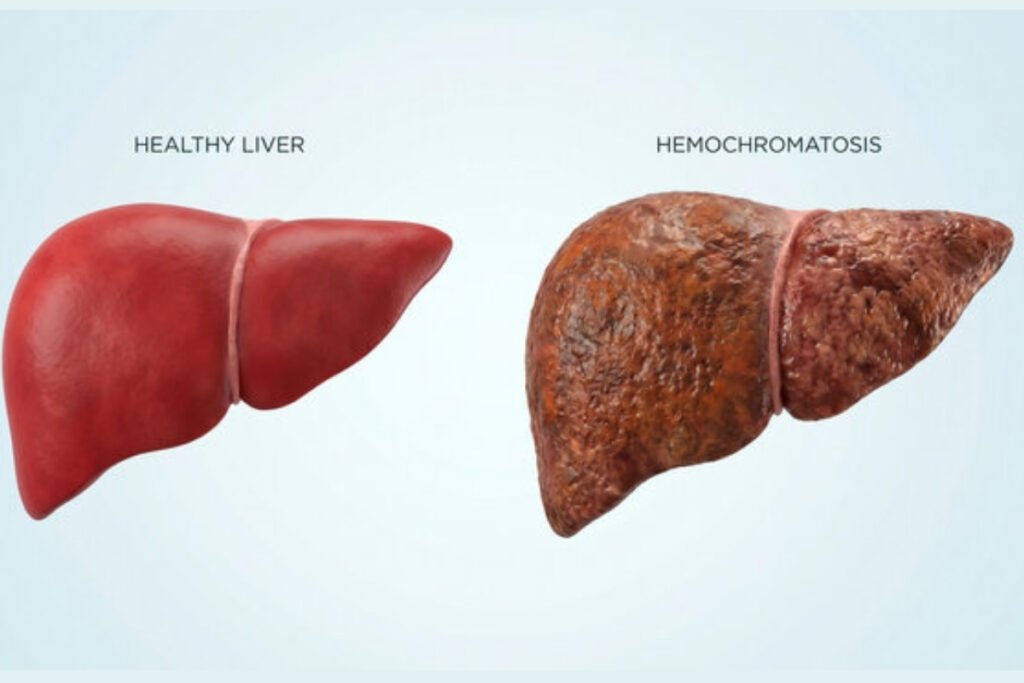
Hemochromatosis
Hemochromatosis is a condition in which the body absorbs and stores excessive amounts of iron, with the liver being one of the main organs affected. Over time, iron accumulation can cause liver inflammation, fibrosis, cirrhosis and other complications. Evaluation includes iron studies, assessment of liver injury and, when appropriate, genetic testing. Early identification and appropriate management of excess iron can help reduce the risk of progressive liver damage.
Consult Dr. Chetan Kalal for a detailed hepatology evaluation and understand what your liver condition means for your long-term health.