
EUS in Mumbai

Understanding EUS

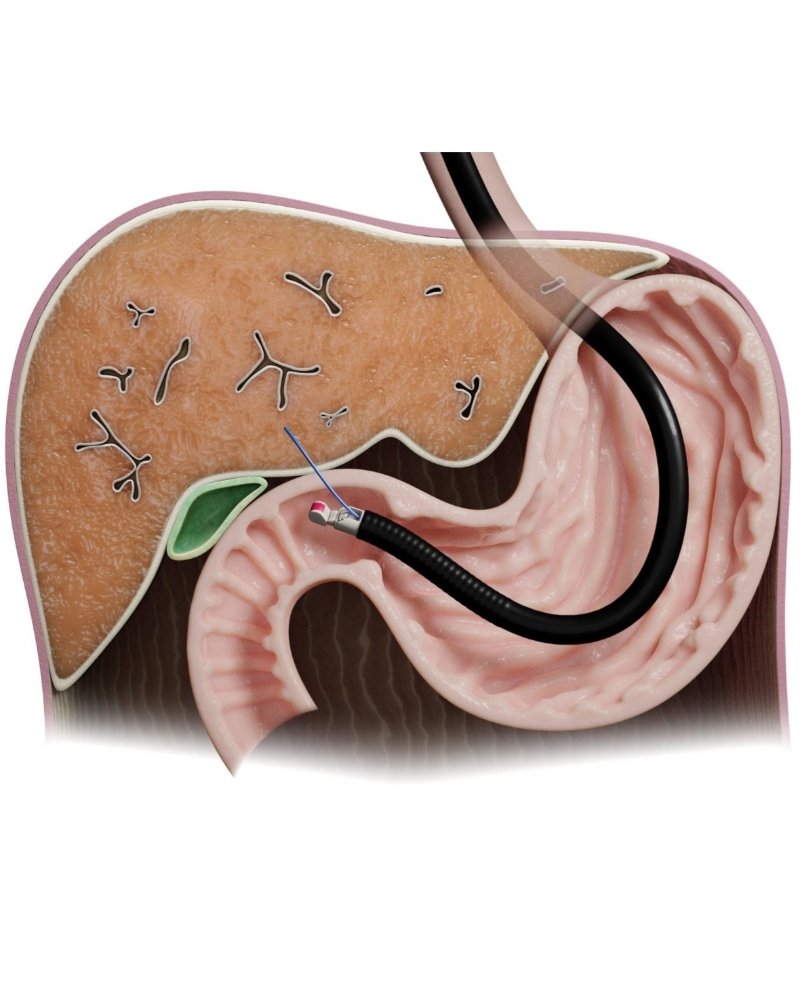
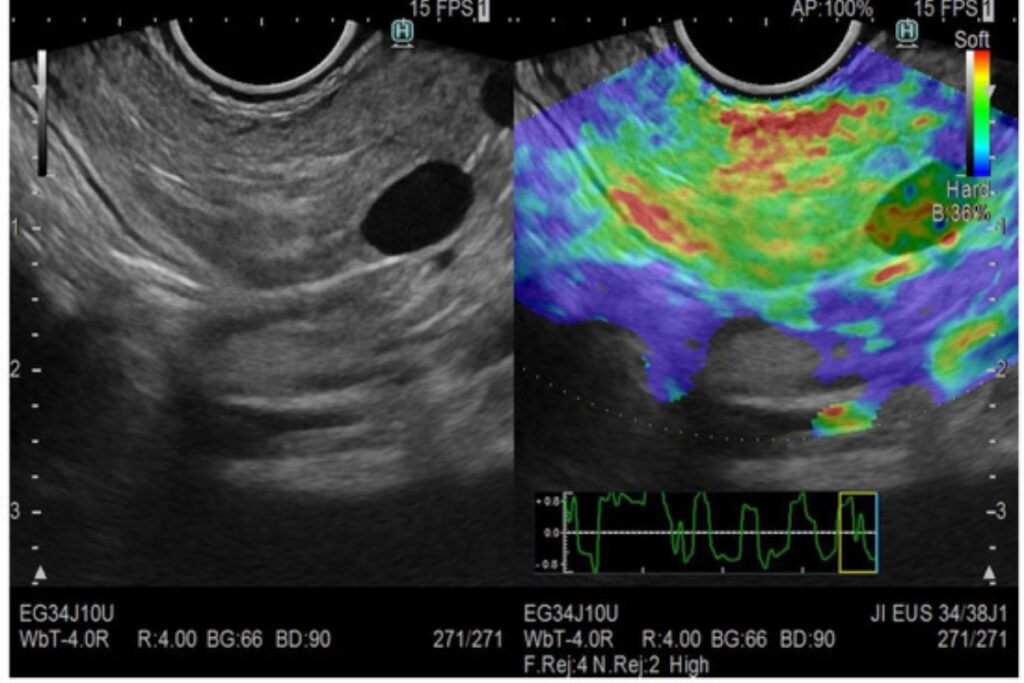
Endoscopic Ultrasound (EUS) is an advanced procedure that combines endoscopy with high-frequency ultrasound imaging to examine the digestive tract and nearby organs. It can provide detailed images of structures such as the pancreas, bile ducts, liver, gallbladder and surrounding lymph nodes.

Because the ultrasound probe is positioned close to the organs being examined, EUS can provide detailed information about abnormalities that may not be fully characterised through routine endoscopy or external imaging alone. It can also be used to obtain tissue samples when required.

For patients seeking EUS in Mumbai, Dr. Chetan Kalal provides specialist hepatology assessment to determine whether EUS is appropriate for evaluating a suspected liver, biliary, pancreatic or gastrointestinal condition.

Dr. Chetan Kalal: Expertise in Advanced Hepatology & Endoscopic Evaluation

Dr. Chetan Kalal is a DM Hepatologist with 15+ years of experience managing complex liver and hepatobiliary conditions. Recognised as Maharashtra’s first DM Hepatologist, he completed his DM Hepatology training at ILBS, New Delhi, under Prof. S. K. Sarin. His experience in advanced liver and biliary disorders helps determine when detailed endoscopic ultrasound assessment may be useful as part of a patient’s overall evaluation.

15+ Years of Experience

Expertise in complex liver and digestive disorders.

First DM Hepatologist in Maharashtra

Specialist hepatology training from ILBS, New Delhi.

Advanced Hepatobiliary Expertise

Experience evaluating conditions involving the liver, bile ducts and pancreas.

Liver Transplant Expertise

Experience managing advanced liver disease and transplant-related conditions.

Your EUS Evaluation Starts With Understanding What Needs to Be Examined

EUS is not required for every patient with abdominal symptoms or an abnormal scan. The decision depends on the clinical findings, previous investigations and the specific organ or abnormality that requires closer assessment. The evaluation focuses on:

Pancreatic Abnormalities
Assessing cysts, masses, duct changes and other pancreatic findings requiring detailed imaging.

Bile Duct Changes
Evaluating stones, narrowing, dilation or other abnormalities affecting the biliary system.

Liver Lesions
Examining selected lesions or abnormalities that require closer assessment from within the digestive tract.

Lymph Nodes
Evaluating enlarged or suspicious lymph nodes located near the digestive tract or surrounding organs.

Digestive Tract Lesions
Assessing abnormalities arising from or extending into the wall of the gastrointestinal tract.

Previous Imaging Findings
Reviewing ultrasound, CT, MRI or other reports to determine whether EUS can provide additional information.
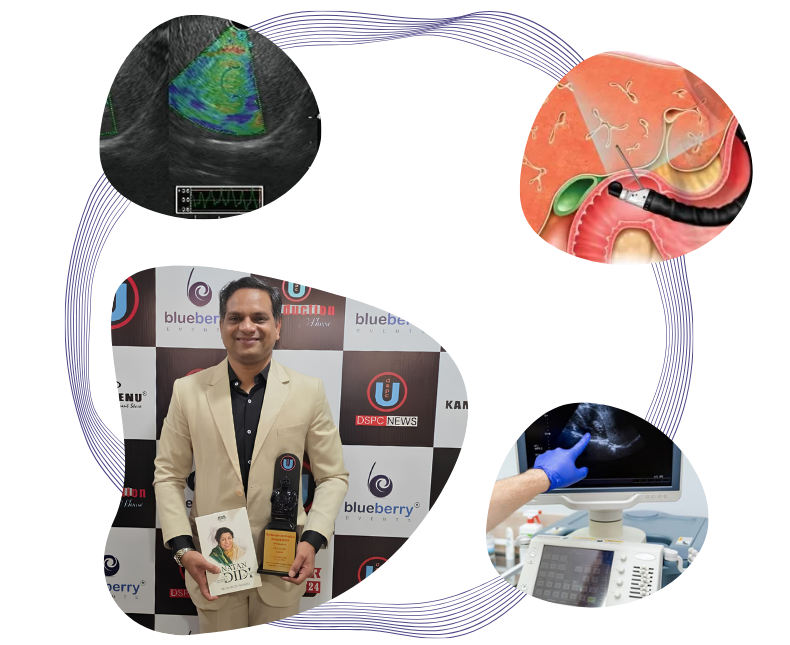
EUS in Mumbai: Understanding How the Procedure Works

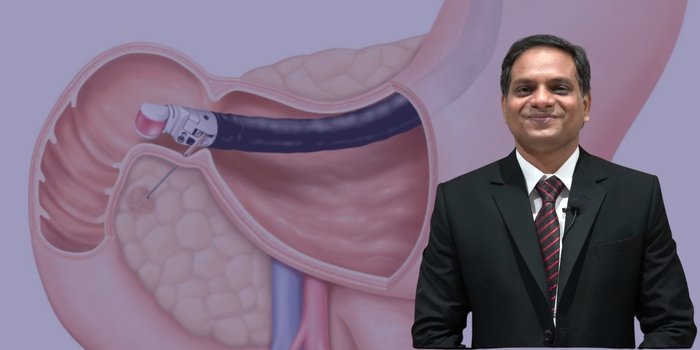
EUS combines endoscopy with ultrasound imaging, allowing structures around the digestive tract to be examined from close range.

  • Endoscopic Access

    A flexible endoscope with an ultrasound probe is passed through the mouth or, for selected lower digestive tract examinations, through the rectum.

  • Close-Range Ultrasound

    The ultrasound probe creates detailed images of organs and structures located close to the digestive tract.

  • Detailed Assessment

    The procedure can help assess the size, location and characteristics of lesions, cysts, stones, duct abnormalities and lymph nodes.

  • Tissue Sampling

    When required, a fine needle can be guided through the endoscope under ultrasound visualisation to obtain a tissue or fluid sample.

What Can EUS Help Identify?

EUS can provide detailed information about several conditions involving the digestive tract and nearby organs.

Pancreatic Cysts

EUS can help assess the appearance and characteristics of pancreatic cystic lesions and, when appropriate, allow fluid sampling.

Pancreatic Masses

Suspicious pancreatic lesions can be examined in greater detail and may be sampled for further diagnosis.

Lymph Node Abnormalities

Suspicious lymph nodes can be evaluated and sampled when tissue diagnosis is required.

Bile Duct Stones

EUS can help detect stones or sludge within the bile duct, particularly when other imaging has not provided a definitive answer.

Bile Duct Narrowing

Changes in the bile duct can be assessed to understand their location and characteristics.

Digestive Tract Lesions

EUS can assess selected lesions within the gastrointestinal wall and determine how deeply they extend.

When Should You Seek Specialist for EUS ?

EUS may be considered when symptoms, laboratory findings or previous imaging suggest an abnormality that requires more detailed assessment. It may be recommended when there is:

Building a Diagnostic Strategy Around the Finding

The role of EUS depends on what previous investigations have shown and what additional information is needed.

What Happens During EUS?

The procedure is planned after reviewing the patient’s symptoms, medical history and previous imaging or laboratory findings.

Pre-Procedure Assessment

Relevant medical conditions, medicines and previous investigations are reviewed before the procedure.

Sedation or Anaesthesia

EUS is generally performed under appropriate sedation or anaesthesia to allow the examination to be completed comfortably.

Endoscopic Examination

The ultrasound endoscope is guided to the area requiring assessment through the upper or lower digestive tract, depending on the planned examination.

Ultrasound Imaging

High-frequency ultrasound is used to examine the target organ, lesion, duct or surrounding structure in detail.

Frequently Asked Questions

EUS is used to obtain detailed ultrasound images of the digestive tract and nearby organs such as the pancreas, bile ducts, liver and surrounding lymph nodes. It can also guide tissue or fluid sampling when required.

Yes. A regular endoscopy primarily examines the inner lining of the digestive tract, while EUS also uses an ultrasound probe to examine structures within and around the digestive tract.

EUS can provide detailed images of the pancreas and may help assess cysts, masses, duct abnormalities and other pancreatic findings. Selected lesions can also be sampled during the procedure.

Recovery depends on the type of EUS and whether tissue sampling was performed. Most patients are observed until the effects of sedation wear off before being discharged with post-procedure instructions.

Yes. When clinically appropriate, fine-needle aspiration or biopsy can be performed under ultrasound guidance to obtain tissue or fluid for laboratory examination.

EUS is generally performed with sedation or anaesthesia, depending on the type of examination and whether an intervention such as tissue sampling is planned.

Understanding the Finding Before Deciding the Next Step

If you have an unexplained pancreatic, bile duct, liver or digestive tract finding, specialist evaluation can help determine whether EUS is appropriate for your condition.

Copyright © 2026 DR. CHETAN KALAL | DESIGNED BY EEG TECHNOGEEKS

Scroll to Top