

Liver Cancer Surgery in Mumbai

Understanding Liver Cancer Surgery

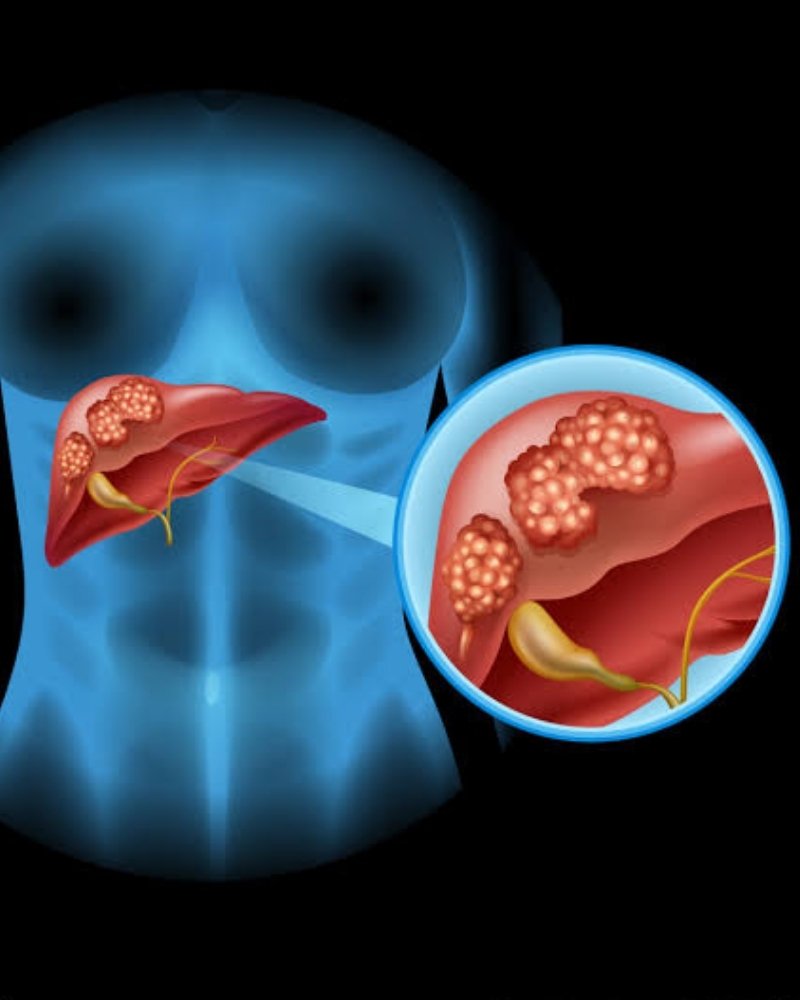
Liver cancer surgery involves removing the tumour along with an appropriate margin of surrounding liver tissue while preserving enough healthy liver to maintain its function. For selected patients with hepatocellular carcinoma (HCC) or certain other liver tumours, surgical removal can offer a potentially definitive treatment.

The suitability of surgery depends on the tumour’s size, number and location, the condition of the remaining liver, portal vein status and the patient’s overall health. In patients with cirrhosis, preserving adequate liver function is particularly important when planning resection.

For patients seeking Liver Cancer Surgery in Mumbai, Dr. Chetan Kalal provides specialist hepatology evaluation to assess the tumour, underlying liver disease and whether surgery, transplantation, ablation or another treatment approach is more appropriate.

Liver Cancer Surgery in Mumbai

Dr. Chetan Kalal: Expertise in Liver Cancer Management

Liver Cancer Management

Dr. Chetan Kalal is a DM Hepatologist with 15+ years of experience managing complex liver disorders, including liver cancer, cirrhosis and transplant-related conditions. Recognised as Maharashtra’s first DM Hepatologist, he completed his DM Hepatology training at ILBS, New Delhi, under Prof. S. K. Sarin. His experience in advanced liver disease helps assess liver function alongside tumour characteristics when determining the most appropriate treatment pathway.

15+ Years of Experience

Extensive experience managing complex liver and digestive disorders.

First DM Hepatologist in Maharashtra

Advanced specialist training in hepatology from ILBS, New Delhi.

Liver Transplant Expertise

Experience evaluating hepatocellular carcinoma and advanced liver disease.

Research & Publications

Experience assessing patients who may require transplant-based treatment.

Your Liver Cancer Surgery Evaluation Starts With Understanding the Tumour

Liver cancer surgery is not suitable for every patient. The decision requires assessment of both the tumour and the amount of functioning liver that will remain after surgery. The evaluation focuses on:

Tumour Characteristics
Assessing the size, number and location of the tumour.
Liver Function
Determining whether the remaining liver can support normal function after surgery.

Underlying Liver Disease
Assessing cirrhosis, fibrosis and other conditions affecting surgical suitability

Overall Health
Other medical conditions that may influence major surgery.

Portal Vein Status
Evaluating blood flow through liver and involvement of major vessels.

Alternative Treatments
Determining whether resection, transplantation, ablation or another approach offers the appropriate treatment pathway.

Liver Cancer Surgery in Mumbai: Understanding the Surgical Approach

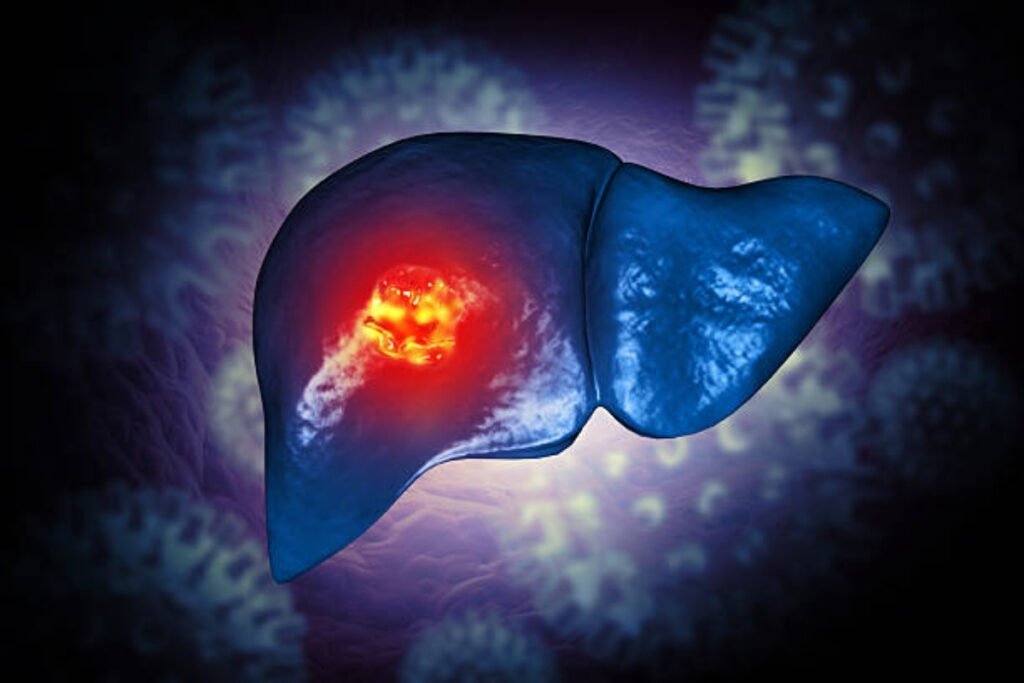
The type and extent of liver surgery depend on the tumour’s location, size, number and relationship with important blood vessels and bile ducts.

Liver cancer Treatment
  • Liver Resection

    The portion of the liver containing the tumour is surgically removed while preserving the remaining healthy liver.

  • Segmental Resection

    A smaller anatomical section of the liver may be removed when the tumour is confined to a suitable segment.

  • Major Liver Resection

    Larger tumours or tumours involving multiple segments may require removal of a larger portion of the liver when adequate liver reserve remains.

  • Surgery for Selected Liver Tumours

    The surgical approach is determined according to tumour type, location and the condition of the surrounding liver.

What Can Liver Cancer Surgery Help Achieve?

The role of surgery depends on the type and stage of liver cancer and the condition of the remaining liver.

Complete Tumour Removal

Surgery aims to remove the visible tumour along with an appropriate margin of surrounding liver tissue.

Potentially Definitive Treatment

For selected patients with resectable liver cancer, surgery may provide a treatment with curative intent.

Local Disease Control

Removing a suitable liver tumour can provide effective local control in appropriately selected patients.

Preserving Liver Function

Surgical planning aims to remove the required tumour while retaining enough functioning liver tissue.

Liver Cancer Surgery

When Should You Consider Liver Cancer Surgery?

Surgery may be considered when imaging and liver assessment indicate that the tumour can be removed safely and adequately. It may be considered for:

Building a Treatment Strategy Around the Tumour and Liver

Surgical planning requires more than identifying the tumour. The amount of functioning liver that will remain after resection is an important part of the decision.

When Is Liver Cancer Surgery Not the Right Approach?

Not every liver tumour can or should be treated with surgical resection. The extent of disease and the condition of the liver can make another treatment more appropriate. Another treatment may be considered when:

Step 1

Liver function is too poor to safely tolerate resection

Step 2

There are multiple or extensively distributed tumours

Step 3

The remaining liver volume would be insufficient after surgery

Step 4

Liver transplantation may offer a more suitable treatment pathway

Frequently Asked Questions About Liver Cancer

Yes. Selected liver cancers can be surgically removed when the tumour is resectable and enough functioning liver can remain after surgery. Suitability depends on tumour characteristics and liver function.

Recovery varies according to the extent of liver resection, the patient’s overall health and the presence of underlying liver disease. Hospital monitoring is followed by gradual return to normal activities.

Liver resection removes the part of liver containing the tumour, while transplantation replaces the diseased liver with a donor liver. The appropriate option depends on tumour characteristics and condition of underlying liver.

No. Treatment depends on tumour stage, liver function, vascular involvement and overall health. Options may include surgery, transplantation, ablation, TACE, TARE or systemic therapy.

It can be possible in selected patients with adequate liver reserve. The severity of cirrhosis and portal hypertension must be carefully assessed before considering resection.

Yes. Recurrence is possible even after successful tumour removal, particularly in patients with underlying chronic liver disease. Regular follow-up imaging and liver assessment are therefore important.

When Surgical Removal Can Offer a Definitive Treatment Option

If you or a family member has been diagnosed with liver cancer, consult a hepatologist to understand whether surgery, transplantation or another treatment approach may be appropriate.

Copyright © 2026 DR. CHETAN KALAL | DESIGNED BY EEG TECHNOGEEKS

Scroll to Top