Dr. Chetan Kalal is the First DM Hepatologist of Maharashtra, Associate Director of Hepatology & Liver Transplant at Gleneagles Hospital Mumbai, with 26 peer-reviewed publications and a seat on the APASL AARC Expert Panel.
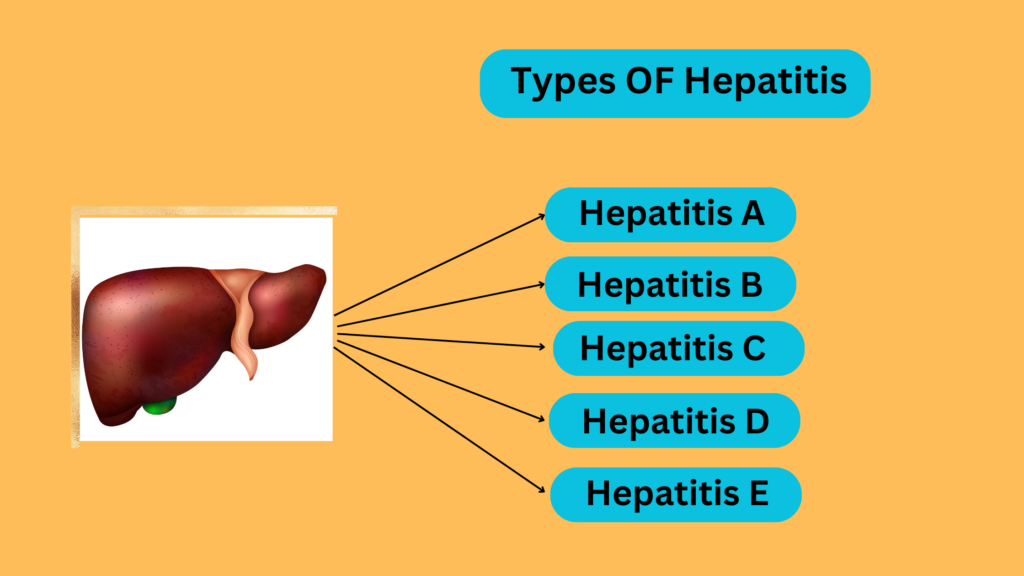
Hepatitis is inflammation of the liver. It is most often caused by one of five viruses — Hepatitis A, B, C, D, or E — though alcohol, certain medications, and autoimmune conditions can also cause it.
Hepatitis A spreads through contaminated food or water. It causes acute illness but does not become chronic and does not need lifelong treatment.
Hepatitis B spreads through blood, bodily fluids, and from mother to child at birth. It can become chronic, particularly when acquired in infancy, and chronic carriers need regular monitoring for liver damage and liver cancer risk even without symptoms.
Hepatitis C spreads mainly through blood exposure — shared needles, unscreened blood products, or unsterile medical or dental equipment. It frequently becomes chronic but is curable in most patients with 8–12 weeks of oral antiviral therapy.
Hepatitis D only occurs in people already infected with Hepatitis B, and worsens the course of the disease. Preventing Hepatitis B through vaccination also prevents Hepatitis D.
Hepatitis E spreads through contaminated water, similar to Hepatitis A. It is usually self-limiting but can be dangerous during pregnancy.
Prevention: vaccines exist for Hepatitis A and B (there is no vaccine for C, D, or E). Safe injection practices, screened blood products, safe drinking water, and safe sex all reduce transmission risk.
When to see a liver specialist: if you test positive for any hepatitis virus, have unexplained fatigue or jaundice, or have a family member with chronic hepatitis B or C, book a consultation for testing and a personalized monitoring or treatment plan.