
Autoimmune Hepatitis (AIH): Symptoms, Diagnosis and Treatment in Mumbai
Autoimmune Hepatitis (AIH): Symptoms, Diagnosis and Treatment in Mumbai Read More »
लिवर फेल होना (ACLF) क्या है? कारण, लक्षण और इलाज — डॉ. चेतन कलाल, मुंबई Acute-on-chronic liver failure (ACLF) is a medical emergency in which a patient with existing but often undiagnosed chronic liver disease develops sudden jaundice, bleeding tendency, and organ failure within days to weeks. It carries a high short-term risk and needs specialist ICU-level care, not routine outpatient management. Dr Chetan Kalal, DM Hepatology, is a member of the APASL AARC (Asian Pacific Association for the Study of the Liver — ACLF Research Consortium) working group and has co-authored the international consensus definitions used to diagnose and grade this condition. This Hindi-language guide explains what “लिवर फेल होना” actually means, why it happens, and when to seek help. बहुत से मरीज और परिवार जब पहली बार सुनते हैं कि “लिवर फेल हो गया है”, तो घबरा जाते हैं — और यह घबराहट गलत भी नहीं है। पर हर बार लिवर फेल होने का मतलब एक जैसा नहीं होता। डॉक्टरी भाषा में जिस स्थिति की बात हम यहां कर रहे हैं, उसे Acute-on-Chronic Liver Failure (ACLF) कहा जाता है — यानी ऐसा व्यक्ति जिसे पहले से लिवर की कोई पुरानी बीमारी (जैसे सिरोसिस, फैटी लिवर या हेपेटाइटिस) थी, भले ही उसका पता चला हो या न चला हो, उसमें अचानक कुछ दिनों से कुछ हफ्तों के भीतर पीलिया, खून बहने की प्रवृत्ति और एक या एक से अधिक अंगों का काम करना बंद होने लगता है। यह सामान्य सिरोसिस से अलग है — यहां बीमारी अचानक और तेज़ी से बिगड़ती है, और समय पर सही इलाज न मिले तो जान को खतरा बढ़ जाता है। डॉ. चेतन कलाल — मुंबई के ग्लेनईगल्स अस्पताल में हेपेटोलॉजिस्ट और लिवर ट्रांसप्लांट फिजिशियन — APASL के AARC (ACLF Research Consortium) वर्किंग ग्रुप के सदस्य हैं और इस विषय पर अंतरराष्ट्रीय सहमति-पत्रों (consensus guidelines) के सह-लेखक रह चुके हैं। यह जानकारी शिक्षा के उद्देश्य से है — किसी भी लक्षण के लिए कृपया सीधे विशेषज्ञ से मिलें। ACLF की परिभाषा — यह सामान्य सिरोसिस से कैसे अलग है APASL (एशिया पैसिफिक एसोसिएशन फॉर द स्टडी ऑफ द लिवर) की सहमति के अनुसार, ACLF तब कहलाता है जब पहले से मौजूद क्रॉनिक लिवर बीमारी वाले मरीज में कोई नया आघात (acute insult) — जैसे शराब का सेवन दोबारा शुरू होना, वायरल हेपेटाइटिस का भड़कना, या कोई दवा — लिवर को अचानक और तेज़ी से नुकसान पहुंचाता है। इसके परिणामस्वरूप 4 हफ्तों के भीतर पीलिया और कोऐगुलोपैथी (खून का ठीक से न जमना) के साथ-साथ जलोदर (पेट में पानी भरना) या हेपेटिक एन्सेफैलोपैथी (भ्रम, नींद जैसी स्थिति) विकसित हो सकती है। डॉ. कलाल और APASL AARC समूह द्वारा प्रकाशित कार्य — जिसमें 2025 का “Kyoto Consensus” शामिल है — इसी परिभाषा को एशियाई मरीजों के अनुरूप और स्पष्ट करने का काम करते हैं। गंभीरता मापने के लिए AARC स्कोर का इस्तेमाल होता है, जो बिलीरुबिन, INR, क्रिएटिनिन, लैक्टेट और एन्सेफैलोपैथी के ग्रेड को मिलाकर तय करता है कि मरीज को ग्रेड I, II या III ACLF है — और इलाज की दिशा इसी ग्रेडिंग पर निर्भर करती है। ACLF के मुख्य कारण भारतीय और एशियाई मरीजों में ACLF को ट्रिगर करने वाले सबसे आम कारणों में शराब का दोबारा या अधिक सेवन, हेपेटाइटिस बी का अचानक भड़कना (reactivation), हेपेटाइटिस A या E का ऊपर से हो जाना (superimposed infection), और दवा या हर्बल/आयुर्वेदिक उत्पादों से लिवर को होने वाली चोट (drug-induced liver injury) शामिल हैं। डॉ. कलाल के सह-लेखन में प्रकाशित शोध ने यह भी दिखाया है कि कुछ सामान्य हर्बल उत्पाद — जैसे गिलोय (Tinospora cordifolia) — गलत तरीके से या बिना चिकित्सकीय सलाह के लंबे समय तक लिए जाने पर गंभीर लिवर क्षति और ACLF तक का कारण बन सकते हैं। सेप्सिस (शरीर में गंभीर संक्रमण) भी एक बड़ा ट्रिगर है। ध्यान देने वाली बात यह है कि बहुत बार मरीज को यह पता ही नहीं होता कि उसे पहले से लिवर की कोई बीमारी थी — इसलिए यह स्थिति “अचानक” और डरावनी लगती है, जबकि असल में लिवर पहले से ही कमजोर हो चुका होता है। पहचानने योग्य लक्षण और चेतावनी के संकेत आंखों और त्वचा का पीला पड़ना, पेशाब का गहरा रंग, पेट का अचानक फूलना (जलोदर), बिना किसी चोट के शरीर पर नील पड़ना या मसूड़ों से खून आना, अत्यधिक थकान, और भ्रम या असामान्य नींद (हेपेटिक एन्सेफैलोपैथी की शुरुआत) — ये सभी संकेत हैं जिन्हें नज़रअंदाज़ नहीं करना चाहिए। जिन मरीजों को पहले से सिरोसिस, फैटी लिवर या हेपेटाइटिस बी/सी का पता है, उनमें ये लक्षण विशेष रूप से गंभीरता से लेने चाहिए। डॉ. कलाल के सह-लेखन में प्रकाशित एक अध्ययन (2025) ने यह भी दर्शाया है कि जिन मरीजों को डायबिटीज़ भी है और उन्हें शराब-संबंधी ACLF होता है, उनमें मृत्यु का जोखिम अपेक्षाकृत अधिक पाया गया — इसलिए डायबिटीज़ पर नियंत्रण रखना सिरोसिस के मरीजों के लिए विशेष रूप से महत्वपूर्ण है। यदि परिवार में किसी को ये लक्षण एक साथ या तेज़ी से बढ़ते दिखें, तो घर पर इंतज़ार करने के बजाय तुरंत किसी हेपेटोलॉजिस्ट या लिवर ट्रांसप्लांट सेंटर से संपर्क करना चाहिए। इलाज का तरीका — ICU देखभाल से लिवर ट्रांसप्लांट तक ACLF का इलाज हमेशा अस्पताल में, अक्सर ICU स्तर की निगरानी में होता है, क्योंकि स्थिति घंटों में बदल सकती है। पहला कदम है ट्रिगर करने वाले कारण का पता लगाना और उसका इलाज करना — चाहे वह संक्रमण हो, शराब हो या कोई दवा। साथ ही, कोऐगुलोपैथी, किडनी के कार्य में गिरावट (एक्यूट किडनी इंजरी), और एन्सेफैलोपैथी जैसी जटिलताओं को सम्भालना ज़रूरी होता है। पोषण (न्यूट्रिशन) की भूमिका को अक्सर कम आंका जाता है — डॉ. कलाल की अपनी प्रकाशित रैंडमाइज़्ड कंट्रोल्ड ट्रायल में यह दिखाया गया है कि शराब-संबंधी सिरोसिस के मरीजों में सही और आक्रामक पोषण चिकित्सा जीवित रहने की संभावना को बेहतर करने में मदद कर सकती है। चुनिंदा मरीजों में, विशेषज्ञ केंद्रों पर प्लाज़्मा एक्सचेंज जैसी उपचार पद्धतियों पर भी विचार किया जाता है, जिसका अध्ययन डॉ. कलाल के शोध समूह ने AARC नेटवर्क के भीतर किया है। लेकिन सबसे महत्वपूर्ण बात यह समझनी चाहिए — जिन मरीजों में दवा से लिवर ठीक होने के संकेत नहीं […]
लिवर फेल होना (ACLF) क्या है? कारण, लक्षण और इलाज — डॉ. चेतन कलाल, मुंबई Read More »
Patients ask me two opposite questions in the same week: “Doctor, am I sick enough to need a transplant?” and “Doctor, am I too sick for one?” Both are the right question, because a liver transplant is a timing decision, not a last resort or a default treatment for every damaged liver. In my practice, I evaluate a patient when living with the diseased liver has become more dangerous than the surgery itself — that single principle drives every test, score, and conversation below. One correction I make early with almost every patient: most of what you’ll read online about transplant eligibility is written for the American deceased-donor system. In India, roughly 8 in 10 liver transplants are living donor (LDLT) — a family member gives part of their liver. That changes the eligibility conversation substantially. It isn’t “how sick do you have to be to move up a waiting list” — it’s “is transplant the right call, and do you have a donor.” I’ll flag where this distinction matters throughout. Does Everyone With Cirrhosis Need a Transplant? No. Cirrhosis has two clinically distinct phases, and only one puts transplant on the table. Compensated cirrhosis — the liver is scarred but still functioning. Patients are often working, asymptomatic, with no fluid buildup or confusion. This group needs monitoring, not transplant evaluation. Decompensated cirrhosis — the liver has stopped keeping up. This is the group I actually start evaluating: Recurrent ascites (fluid buildup) Spontaneous bacterial peritonitis Jaundice Hepatic encephalopathy (confusion) Variceal bleeding Worsening kidney function Sarcopenia (muscle wasting) Repeated hospital admissions for any of the above If you’ve already been evaluated and told no, see what actually disqualifies you from a transplant. Case — early referral changed the outcome. A 55-year-old male presented with acute-on-chronic liver failure, deteriorating rapidly — the kind of presentation where the decision window can be as tight as 2 to 3 days. His wife came forward as donor; she wasn’t a blood-group match, so the transplant proceeded as ABO-incompatible, within a selected-cohort protocol where survival outcomes run 80–85% in appropriately selected, desensitized cases. Early recognition and early transplant, not last-minute rescue, was what made survival possible. What Actually Causes the Liver Disease That Leads Here MASLD (formerly NAFLD/fatty liver) — the fastest-growing indication in India right now Alcohol-related liver disease Chronic hepatitis B and C Autoimmune hepatitis, primary biliary cholangitis, primary sclerosing cholangitis Wilson disease, hemochromatosis, alpha-1 antitrypsin deficiency Acute liver failure (days-long deterioration in a previously healthy liver — this one moves fast) Selected hepatocellular carcinoma (HCC) How I Actually Decide — Beyond the Lab Numbers This is the part that separates a real evaluation from a checklist. Disease severity numbers matter — bilirubin, INR, creatinine, sodium, albumin, platelets, imaging. But how MELD gets used changes entirely depending on whether we’re considering DDLT or LDLT, and this is where most patient-facing content gets it backwards. DDLT (Deceased Donor) LDLT (Living Donor) Role of MELD score Drives allocation — “sickest first” on a waitlist Measures surgical risk, not queue position Ideal patient state Higher MELD moves you up the list Moderate/lower MELD often tolerates surgery better Waiting Determined by organ availability Planned around donor readiness Risk of waiting too long Patient may not survive to allocation Patient may become too sick to safely undergo LDLT India relevance ~20% of transplants ~80% of transplants Wait too long for MELD to climb, and an LDLT candidate can become too sick to safely survive the surgery — the opposite of how DDLT logic works. This is exactly why early evaluation, long before a patient is critically ill, matters more in India’s LDLT-majority reality than it does in a pure allocation-queue system. On cancer eligibility specifically: I don’t work off a rigid checklist like Milan criteria alone. Tumor size and number are a starting point, not the whole picture — vascular invasion, response to bridging therapy, and overall liver reserve all factor into whether transplant is the right call for a given patient. Physical fitness for major surgery — heart, lung, kidney function, nutritional status, frailty, infection status all get assessed. Psychological and family readiness — lifelong medication adherence isn’t optional after transplant, and I look for whether a patient and their support system understand that before, not after, listing. Case — delayed referral, severe alcoholic hepatitis. One of the most heartbreaking patterns I see: patients with severe alcoholic hepatitis reaching a tertiary center only after multi-organ failure has already set in. By the time they arrive in the ICU, the critical window for intervention has closed — infection often rules out standard therapy, and an unstable patient can’t safely undergo transplant evaluation. This pattern disproportionately hits patients in their 30s and 40s with young families. Severe alcoholic hepatitis is a medical emergency, not a wait-and-watch diagnosis — early referral to a specialized liver unit is the decisive factor between a second chance and a preventable outcome. When You Do NOT Need a Transplant Compensated, stable cirrhosis Reversible liver injury Early fibrosis Successfully treated hepatitis MASLD without decompensation Case — recovered without transplant. A young male came in with a first episode of severe alcoholic hepatitis — Maddrey discriminant function above 80, a picture that looked transplant-bound. A sepsis screen was negative. With steroid therapy and aggressive nutritional support, he recovered fully without transplantation. Evaluation isn’t a pipeline toward surgery. Sometimes the right call is intensive medical management, and a first-episode presentation with good support behind it is exactly where that call gets made. When Transplant Isn’t Possible Yet (Not Never) Active uncontrolled infection Ongoing alcohol or substance use Severe uncontrolled cardiac disease Malignancy outside transplant criteria Not currently fit for major surgery Most of these are reversible with treatment first — this is a “not now,” not a permanent door closing, and I make a point of telling patients that distinction explicitly. Living Donor vs. Deceased Donor — The Part Most Articles Underweight In India, this is usually the real fork in the road, not MELD-based queue position. […]
Dr Chetan Kalal — DM Hepatologist & Liver Transplant Physician, Gleneagles Hospital, Mumbai | July 2026 Monsoon Liver Health India: Hepatitis A, Gut Infections, and Why Liver Patients Need Extra Care Every July, Indian emergency rooms start filling with jaundice, profuse diarrhoea, and fever — illnesses that most patients trace back to something they ate, but whose real origin is the rain itself. This is what monsoon season does to water, what water does to the gut, and why patients with existing liver disease face a genuinely different level of risk. The monsoon brings relief — and a disruption of infrastructure that is invisible until someone gets sick. Flooding overwhelms drainage systems and contaminates drinking water supplies with faecal matter. Overhead tanks, borewells, and even municipal water that seems clean can carry hepatitis A virus, hepatitis E virus, the cholera bacterium, typhoid bacilli, and a range of other enteric organisms. All of them enter through the mouth. All of them target the gut, the liver, or both. What we informally call monsoon me pet ki bimari — stomach and gut illness in the rains — is, in most cases, one of these waterborne or foodborne infections expressing itself. The Infections That Concern Hepatologists Most Hepatitis A and hepatitis E dominate the hepatology clinic during July and August. Both travel by the faecal-oral route: contaminated water, shellfish (oysters and clams concentrate the virus efficiently), raw foods washed with untreated water, or hands that were not properly washed before a meal. Both cause acute hepatitis — fever, nausea, loss of appetite, jaundice — that can be clinically indistinguishable without blood tests. In an otherwise healthy adult, hepatitis A is self-limiting. The liver enzymes rise sharply, the patient feels genuinely unwell for several weeks, and recovery is complete in the overwhelming majority of cases. Hepatitis E in most healthy adults follows a broadly similar course — uncomfortable, but manageable at home with rest and hydration. The concern is in who falls outside those comfortable majorities. Cholera and typhoid complete the monsoon quartet. Cholera causes the dramatic, rapid fluid loss that can become dangerous within hours. Typhoid is more insidious — a persistent fever, abdominal discomfort, and intestinal complications that develop over days. Both are waterborne; both are preventable with the same precautions that protect against hepatitis A and E. Why Patients With Liver Disease Face a Different Risk For a patient managing cirrhosis, a hepatitis A or E infection is not a “you’ll recover, just rest” situation. The diseased liver has already lost functional reserve. An acute viral hepatitis superimposed on cirrhosis can trigger acute-on-chronic liver failure — a rapid, multi-organ deterioration that is life-threatening and requires intensive care. Monsoon-season viral hepatitis is a well-recognised precipitant of ACLF, and it is entirely preventable. Hepatitis E in pregnancy carries a risk that is worth stating plainly: severe hepatitis E can cause acute liver failure in pregnant women, and India has among the highest recorded rates of this complication in the world. Any pregnant woman who develops jaundice during the monsoon months needs urgent assessment — not a wait-and-see approach. For patients on immunosuppression after a liver transplant: the threshold for concern is lower than for everyone else on this page. The same drugs that prevent graft rejection dampen the immune response that would normally contain an infection. A gut illness that stays localised in a healthy person can become bloodstream infection in someone on tacrolimus or mycophenolate. If you have received a liver transplant and develop diarrhoea, fever, or any suggestion of jaundice during monsoon season — contact your transplant team the same day, not after a few days of waiting to see if it improves. Practical Prevention: What Actually Works Water is the central variable. Boiling water or using a reliable RO-UV purifier for drinking, cooking, and even rinsing raw vegetables removes the biological risk from the faecal-oral route. The filter on the tap achieves nothing if the water used to wash salad leaves or make ice is untreated — those are the routes that catch careful households off guard. Street food during peak monsoon months deserves genuine caution, particularly cut fruit, chaat items, and anything prepared with water of unknown provenance. Shellfish — oysters, clams, mussels — should be avoided from July through September. They concentrate hepatitis A virus from contaminated coastal water; even thorough cooking does not eliminate all risk if the raw shellfish was severely contaminated. Hepatitis A vaccination is safe, effective, and available across Mumbai. For any patient with chronic liver disease — cirrhosis, fatty liver disease, hepatitis B or C — vaccination against hepatitis A is not optional; it is a straightforward way to remove one serious risk from an already complicated clinical picture. If you are not sure whether you are vaccinated, a simple blood test can check immunity. Discuss it with your hepatologist at the next visit, or sooner if monsoon season has already arrived. Hand hygiene is not glamorous, but it is mechanically effective in a way that no supplement or herbal preparation can replicate. Consistent handwashing with soap — after using the toilet, before handling food, before eating — interrupts the faecal-oral chain for every organism on this list. When to Seek Medical Review Most gut infections during the monsoon are viral gastroenteritis — unpleasant, short-lived, manageable with oral rehydration salts and rest. But certain symptoms call for a doctor within 24 to 48 hours, not after a week of watching: yellowing of the eyes or skin (jaundice), dark urine the colour of tea or cola, high fever with abdominal pain, bloody diarrhoea, or inability to keep any fluids down for more than a day. If you are already under hepatology care — managing cirrhosis, recovering from a transplant, or on immunosuppression for any reason — the threshold is lower still. Do not wait for symptoms to worsen before making contact. A same-day call to your physician’s office is appropriate for any gastrointestinal illness that develops during the monsoon months, even if it […]
What is terminal ileitis and symptoms? Terminal Ileitis is inflammation (-itis) of the last part of the small intestine (terminal ileum). This is not a disease by itself but is rather a finding. It is often equated with Crohn’s disease, an autoimmune condition, but there are other common causes such as: Bacterial infections (e.g., Salmonella, Yersinia, Campylobacter) or intestinal tuberculosis or viral infections. Even some drugs such as pain reliever or NSAID can trigger this. It is necessary to identify the cause as this affects treatment, which differs widely, since treatment is based on the cause. Dr Chetan Kalal, Hepatologist and Liver Transplant Physician, Saifee Hospital, Mumbai shares that “It is important to note that the word ‘terminal ileitis’ does not necessarily indicate a dangerous disorder or a high risk (depending on the cause. Inflammatory disease of the terminal ileum can be mild and self-limited or severe. With the correct treatment, most people recover. In some cases, which are more severely inflamed, there may be dehydration, intense pain, the failure to eat, bleeding or, rarely, complications like intestinal blockage or perforation.” The doctor also elaborated on the symptoms, sharing: If, however, the inflammation is caused by conditions such as Crohn’s disease or TB of the intestines, then there is a possibility that treatment will be required on an ongoing basis to avoid complications. Anyone who has a persistent abdominal pain, prolonged diarrhoea, blood in stools, fever or unexplained weight loss should be evaluated by a medical professional before attempting any self-medicines.Symptoms depend on the cause but tend to have pain in the lower right side of the abdomen, diarrhoea (sometimes with blood in the stool), fever, loss of appetite, nausea or vomiting. The symptoms that last for weeks should be followed by additional tests, including colonoscopy or imaging and stool tests, for some infectious reasons. What are Lifestyle and Dietary changes? Dr Pramod Kadam, Consultant, General Surgery, Ruby Hall Clinic added, “Since there are a variety of causes of terminal ileitis, there is no single prevention method.All people can do to limit their risk from infectious causes is to: – Practising good hand hygiene. – Eating well cooked food and drinking safe water, particularly when travelling. – Rejection of raw or undercooked meats, poultry, egg and unpasteurized dairy. – Thoroughly washing fruits and vegetables. – Not using unnecessary antibiotics or painkillers (like ibuprofen or diclofenac) unless a doctor recommends them. – Don’t smoke, as smoking worsens and increases the risk of Crohn’s disease. While no food can cure terminal ileitis, a balanced diet can be beneficial in boosting overall gastrointestinal health, particularly when recovering from the disease. It is preferable to use oats, brown rice, green leafy vegetables, and fruits. Nuts and lentils aid also. Curd or Yogurt contains beneficial bacteria. And good hydration is crucial. Some patients may find it easier to tolerate a low fibre diet during an acute attack when there is a lot of pain or diarrhoea. Eating recommendations, then, should be personalised according to the diagnosis and severity of symptoms. However, anyone who has a persistent abdominal pain, prolonged diarrhoea, blood in stools, fever or unexplained weight loss should be evaluated by a medical professional before attempting any self-medicines.
What you should know about inflammatory gut condition Read More »
The monsoons each year are a welcome respite from the summer heat. As a gastroenterologist, however, I know it also coincides with a typical increase in stomach infections. My clinic begins to see patients with cases of hepatitis A, hepatitis E, acute gastroenteritis, typhoid and severe food poisoning within a few weeks of the first rains. Unfortunately, many of these diseases are 100% preventable. Bacteria, viruses and parasites flourish with the monsoon. Gut infections can happen if the pipelines are flooded, if water is contaminated, if food is not stored properly, and if poor hygiene is practiced. Fortunately, there are a number of simple habits that can go a long way toward keeping your digestive system healthy. Water, food and hygiene issues The first and foremost rule is awareness of drinking water. Contamination can be caused by damaged or flooded pipelines, even if the city supply is treated. Use boiled water or water treated by a good RO-UV purifier. Whenever purchasing packaged water, inspect it for seal and a valid water quality certification. The foods that are eaten also have an impact. Though street food can be very attractive during the rainy season, all that exposed food, cut fruit, fresh juice and food made under unhygienic conditions can carry bad bacteria like Salmonella and E. coli. Medical intervention Lastly, be familiar with when to seek medical attention. If the child vomits often, has a high temperature, is severely ill with diarrhoea, eyes become yellow or dark coloured urine or if the child has a high fever, this is not something to be ignored. Prompt diagnosis and treatment is key to avoiding complications, especially if it involves the presence of hepatitis and/or highly dehydration. The monsoon should be fun not avoided because you catch an illness that is preventable. There are a few conscious alterations in how you eat, drink and take care of your personal hygiene that can make a huge difference. The gut is your body’s first line of defence and you need to protect it, and it will protect you this rainy season. Dr. Chetan Kalal, DM Hepatology & Liver Transplant Specialist, Saifee Hospital, Mumbai Already managing cirrhosis or a liver transplant? Your monsoon risk profile is different from the general public’s — a hepatitis A or E infection that a healthy adult shrugs off can trigger acute-on-chronic liver failure in a cirrhotic patient, or bloodstream infection in someone on post-transplant immunosuppression. Read Monsoon Liver Health India: Hepatitis A, Gut Infections, and Why Liver Patients Need Extra Care for the risk-specific guidance.
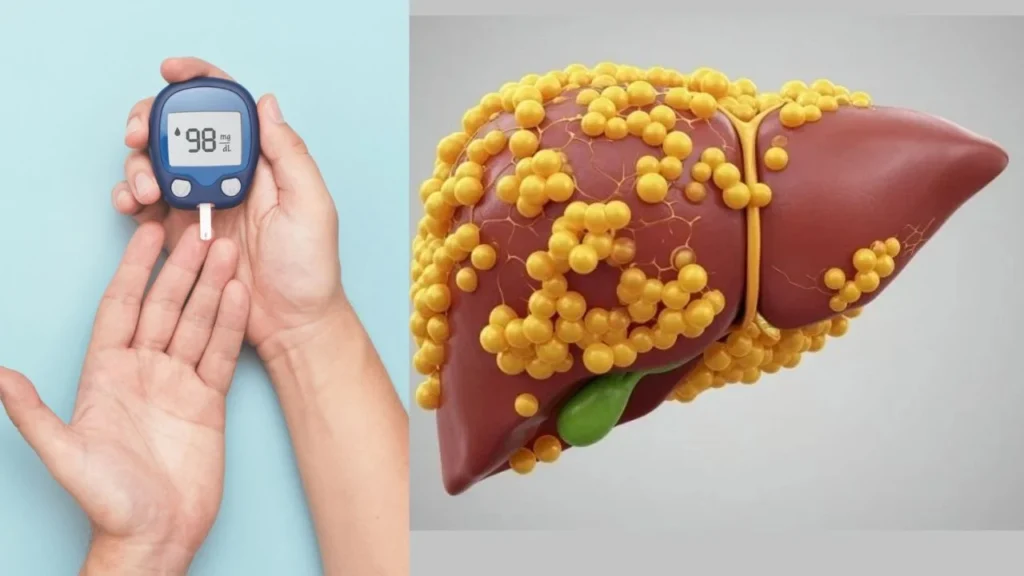
Fatty liver Real Causes: सामान्य वजन, नियमित व्यायाम आणि मधुमेह नसतानाही अनेक तरुणांमध्ये फॅटी लिव्हरचे निदान होत असून ही समस्या वाढत आहे. पारंपरिक जोखीम घटकांबाहेरही यकृतात चरबी साचण्याचे प्रमाण वाढत असल्याचे तज्ज्ञांचे निरीक्षण आहे. यामागचे कारण काय, जाणून घ्या ना वजन जास्त, ना मधुमेहतरीही फॅटी लिव्हर का होतो?जाणून घ्या खरं कारण कल्पना करा, तुमचे वय तिशीच्या आसपास आहे. तुमचे वजन सामान्य आहे, तुम्ही नियमित व्यायाम करता, मधुमेह किंवा उच्च रक्तदाबाचा कोणताही इतिहास नाही. तरीही नियमित तपासणीत तुमच्या यकृतात (liver) चरबी साचल्याचे निदान होते. आजच्या घडीला अशी परिस्थिती काही अपवादात्मक राहिलेली नाही. भारतातील यकृतविकार तज्ज्ञांना अशा रुग्णांची संख्या सातत्याने वाढताना दिसत आहे, जे फॅटी लिव्हरच्या पारंपरिक जोखीम गटात बसत नाहीत. पूर्वी फॅटी लिव्हर हा आजार प्रामुख्याने लठ्ठपणा, मधुमेह आणि अतिमद्यपानाशी संबंधित मानला जात होता. मात्र, आता संशोधनातून असे स्पष्ट झाले आहे की मेटाबॉलिक डिसफंक्शन-असोसिएटेड स्टिएटोटिक लिव्हर डिसीज (MASLD) हा आजार बाहेरून पूर्णपणे निरोगी दिसणाऱ्या व्यक्तींनाही होऊ शकतो. सैफी हॉस्पिटलचे डीएम (हेपॅटोलॉजी) व लिव्हर ट्रान्सप्लांट तज्ज्ञ, डॉ. चेतन कलाल यांनी फॅटी लिव्हर होण्यामागचे खरं कारण सांगितले आहे, जाणून घेऊयात. Dizziness Causes: वारंवार चक्कर येतेय? दुर्लक्ष करू नका; असू शकतात ‘हे’ गंभीर आजार यामागचे कारण काय?यामागे सर्वात महत्त्वाचे कारण म्हणजे अनुवांशिकता (Genetics). काही व्यक्तींमध्ये PNPLA3 सारख्या जनुकांमधील बदलांमुळे यकृतात चरबी साचण्याची प्रवृत्ती जन्मतःच अधिक असते. ही प्रवृत्ती दक्षिण आशियाई लोकांमध्ये, विशेषतः भारतीयांमध्ये, अधिक आढळते. त्यामुळे अनेक भारतीयांचे वजन सामान्य असतानाही त्यांना फॅटी लिव्हर होऊ शकतो. याशिवाय, आहाराचा दर्जा देखील अत्यंत महत्त्वाचा ठरतो. कॅलरींचे प्रमाण योग्य असले तरी वारंवार साखरयुक्त पेये, मैद्याचे पदार्थ, पॅकेज्ड स्नॅक्स आणि प्रक्रिया केलेले (Processed) अन्न खाल्ल्यास यकृत अतिरिक्त साखरेचे चरबीत रूपांतर करते. ही प्रक्रिया हळूहळू सुरू राहते आणि वजन न वाढताही कालांतराने फॅटी लिव्हर होऊ शकतो. सध्या संशोधक आतडे आणि यकृत यांच्या परस्पर संबंधावर (Gut-Liver Axis) विशेष भर देत आहेत. प्रक्रिया केलेले अन्न, वारंवार प्रतिजैविकांचा (Antibiotics) वापर, सततचा ताण आणि अपुरी झोप यांमुळे आतड्यांतील उपयुक्त जीवाणूंचे संतुलन बिघडते. त्यामुळे शरीरातील दाह (Inflammation) वाढतो आणि यकृतातील चरबीच्या प्रक्रियेवर परिणाम होतो. त्यामुळे पारंपरिक जोखीम नसलेल्या व्यक्तींमध्येही फॅटी लिव्हरचा धोका वाढू शकतो. याशिवाय, हार्मोनल आणि चयापचयाशी (Metabolic) संबंधित समस्या देखील कारणीभूत ठरू शकतात. हायपोथायरॉईडीझम, पॉलीसिस्टिक ओव्हरी सिंड्रोम (PCOS), इन्सुलिन रेझिस्टन्स आणि कोलेस्टेरॉलमधील बिघाड यांमुळे मधुमेह होण्यापूर्वीच यकृतात चरबी साचण्यास सुरुवात होऊ शकते. सर्वात चिंतेची बाब म्हणजे फॅटी लिव्हरच्या सुरुवातीच्या टप्प्यात कोणतीही लक्षणे जाणवत नाहीत. अनेकांना अल्ट्रासाऊंड किंवा नियमित रक्ततपासणीदरम्यानच हा आजार असल्याचे समजते. सुरुवातीच्या टप्प्यात योग्य जीवनशैलीतील बदलांमुळे हा आजार पूर्णपणे नियंत्रणात आणता येतो. मात्र दुर्लक्ष केल्यास पुढे यकृताची सूज, फायब्रोसिस, सिरोसिस, लिव्हर फेल्युअर आणि अगदी लिव्हर कर्करोगासारख्या गंभीर आजारांचा धोका निर्माण होऊ शकतो. महत्त्वाचा संदेश असा की, शरीराने सडपातळ किंवा निरोगी दिसत असल्याचा अर्थ यकृतही तितकेच निरोगी आहे, असे नाही. तुमचे वजन आणि रक्तातील साखर सामान्य असली, तरी तपासणीत फॅटी लिव्हर आढळल्यास त्याकडे दुर्लक्ष करू नका. यकृतातील फायब्रोसिसची तपासणी आणि मेटाबॉलिक जोखीम मूल्यांकन करून त्यामागील कारण शोधणे आवश्यक आहे. वेळेवर निदान आणि जीवनशैलीतील योग्य बदल केल्यास यकृताचे गंभीर नुकसान टाळता येऊ शकते.यकृताच्या आरोग्याचा विचार करताना केवळ वजनकाट्यावर दिसणारा आकडा पुरेसा नसतो.
Fatty Liver: ना वजन जास्त, ना मधुमेह… तरीही फॅटी लिव्हर का होतो? जाणून घ्या खरं कारण Read More »