Viral and Invasive Fungal Infection After Liver Transplant — Cause and Effect on Graft Dysfunction | LTSICON Pune 2026
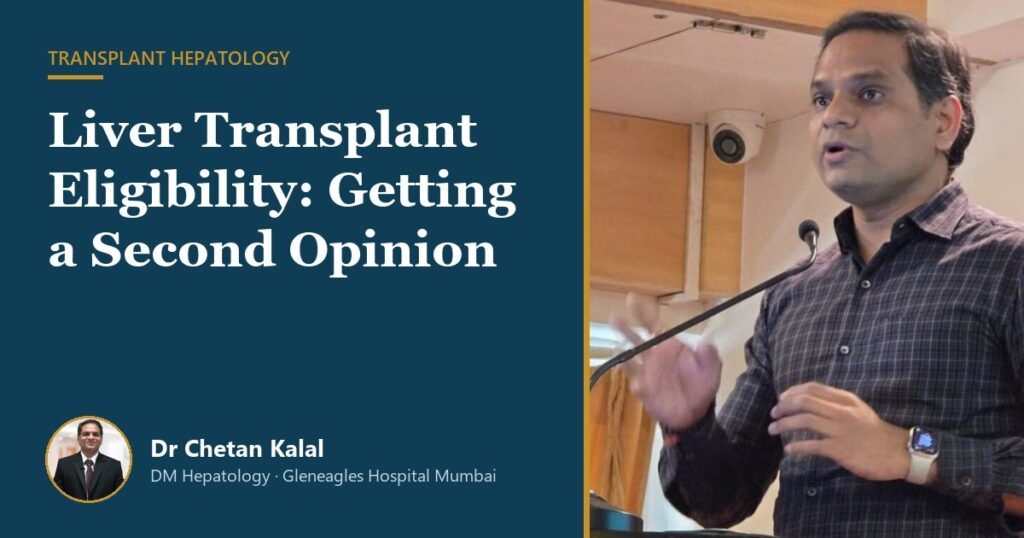
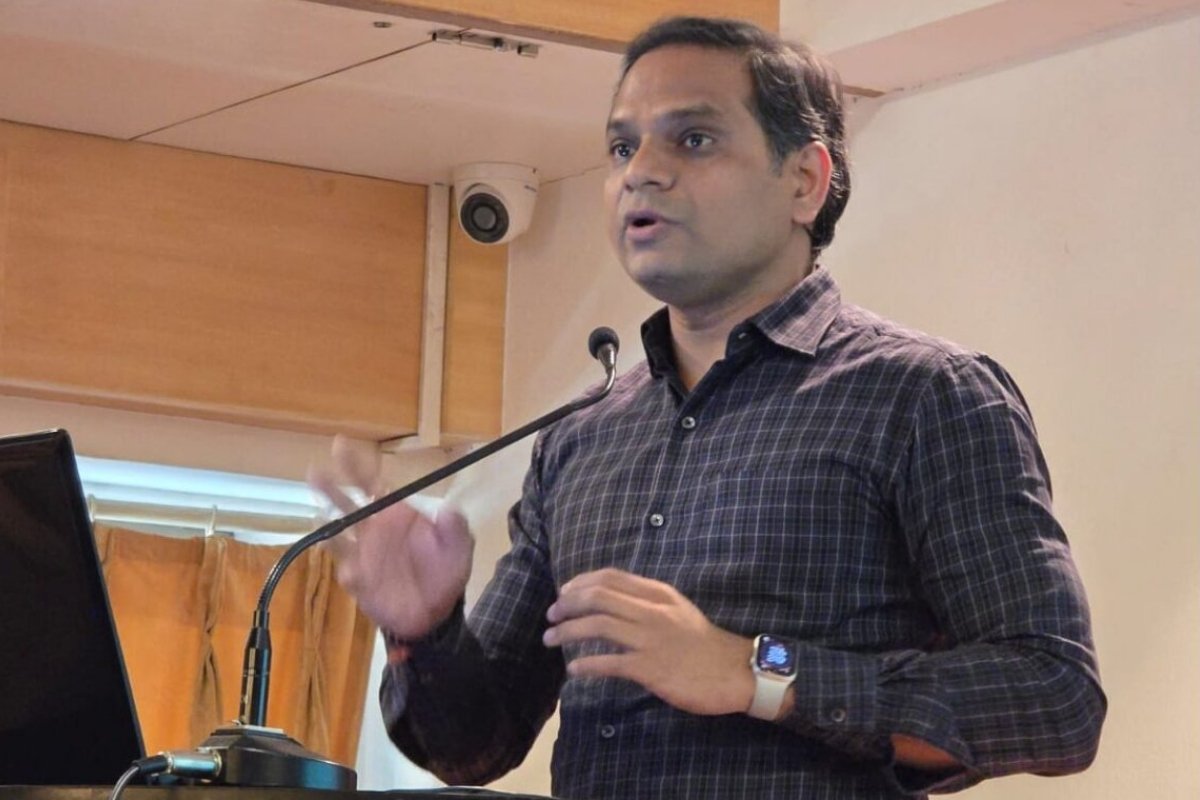
Dr. Chetan Kalal has been invited as Faculty to the LTSICON 2026 Midterm Conference in Pune, where he will lead a Case-Based Panel Discussion on Viral and Invasive Fungal Infection: Cause and Effect Relationship with Graft Dysfunction — one of the most complex and clinically consequential topics in post-liver transplant medicine. LTSICON (Liver Transplant Society of India Conference) is India’s premier liver transplantation conference, convening the country’s leading transplant surgeons, hepatologists, intensivists, and allied specialists. Invitation as faculty to a case-based panel discussion represents the highest tier of participation — it is a recognition of subspecialty depth, not just attendance. About LTSICON 2026 — Midterm, Pune The Liver Transplant Society of India (LTSI) organises both an annual conference and a midterm conference, with rotating national venues. The midterm format typically focuses on intensive clinical learning — case-based discussions, controversial topics, and subspecialty deep-dives that the larger annual meeting cannot accommodate in the same depth. The case-based panel discussion format places real, de-identified transplant cases before a panel of experts who debate diagnosis, management decisions, and outcomes in real time — the most intellectually demanding and educationally effective format in post-graduate medical education. Dr. Kalal’s invitation to faculty this session reflects his standing as one of India’s authoritative voices on post-transplant infectious complications and graft dysfunction — a domain that sits at the intersection of transplant hepatology, infectious disease, and critical care. The clinical topic: Viral and Invasive Fungal Infection — Cause and Effect with Graft Dysfunction Post-liver transplant infections are the leading cause of morbidity and mortality in the first year after transplantation. The relationship between infection and graft dysfunction is bidirectional and frequently misunderstood in non-specialist settings: infections cause graft dysfunction, and graft dysfunction predisposes to infections. Untangling this relationship determines whether a deteriorating graft is rejected, infected, or both — and the treatment is fundamentally different for each. Viral infections and graft dysfunction — the CMV problem Cytomegalovirus (CMV) is the most clinically significant viral pathogen after liver transplantation. It causes two distinct problems: Direct CMV disease: CMV hepatitis (the graft itself is the target — rising LFTs, histology showing cytomegalic inclusions), CMV colitis, CMV pneumonitis. In the graft, CMV hepatitis causes a pattern of liver dysfunction that mimics rejection on biochemistry — the distinction requires liver biopsy with immunohistochemistry. Indirect CMV effects: CMV is immunomodulatory — it broadly suppresses immune function, increasing susceptibility to other opportunistic infections (bacterial, fungal, other viral). CMV-seropositive recipients receiving organs from CMV-seropositive donors (D+/R+) are at highest risk of clinically significant disease. Standard prophylaxis: valganciclovir for 3–6 months post-transplant in high-risk patients. Breakthrough CMV despite prophylaxis, or CMV disease in a patient on prophylaxis, requires intravenous ganciclovir and resistance testing. Ganciclovir-resistant CMV (UL97 and UL54 mutations) is an emerging problem requiring foscarnet — a nephrotoxic agent — creating a management dilemma in patients already receiving calcineurin inhibitors. Epstein-Barr Virus (EBV) and PTLD EBV causes post-transplant lymphoproliferative disorder (PTLD) — a spectrum from infectious mononucleosis-like illness to aggressive B-cell lymphoma. PTLD is the most feared late viral complication of immunosuppression. EBV viral load monitoring (quantitative PCR) is mandatory in EBV-seronegative recipients (R-) receiving organs from EBV-positive donors (D+) — the highest-risk combination, common in paediatric transplantation. Graft dysfunction in PTLD can occur via hepatic PTLD (infiltration of the liver graft by lymphoproliferative cells) or via systemic disease with secondary hepatic involvement. The key clinical challenge is distinguishing PTLD from rejection on liver biopsy — both can cause portal inflammation and bile duct injury. Other viral pathogens Hepatitis B recurrence: HBV recurrence in the graft after liver transplantation for HBV-related cirrhosis — prevented with lifelong antiviral therapy (tenofovir or entecavir) plus hepatitis B immunoglobulin (HBIG) in the perioperative period. Fibrosing cholestatic hepatitis B (FCH-B) is a devastating form of graft HBV recurrence with rapid progression to graft failure. HCV recurrence: Now effectively treated with direct-acting antivirals (DAAs) post-transplant; fibrosing cholestatic hepatitis C (FCH-C) is rare with current prophylaxis and early treatment. Adenovirus, HHV-6, parvovirus B19: Less common but clinically significant in immunosuppressed recipients; may cause hepatitis, bone marrow suppression, or encephalitis depending on the pathogen. Invasive fungal infections — the underestimated threat Invasive fungal infections (IFIs) after liver transplantation carry mortality rates of 50–90% for invasive aspergillosis and 30–50% for invasive candidiasis, even with optimal antifungal therapy. They occur predominantly in the first 30–90 days post-transplant, when immunosuppression is most intense and surgical trauma to the biliary tree and vasculature creates entry points. Invasive candidiasis (Candida albicans, Candida glabrata, Candida krusei) is the most common IFI in liver transplant recipients. Risk factors: prolonged surgery, Roux-en-Y biliary reconstruction, renal replacement therapy, re-transplantation, high intraoperative transfusion requirements. Treatment: echinocandins (caspofungin, micafungin) first-line; azoles for step-down. Candida glabrata and krusei have intrinsic azole resistance — species identification and sensitivity testing are essential. Invasive aspergillosis (Aspergillus fumigatus predominantly) — the most lethal IFI post-transplant. Pulmonary aspergillosis presenting as cavitating lung lesions in a recipient on high-dose steroids (e.g., post-rejection treatment) is classic. CT chest showing “halo sign” — a nodule surrounded by ground-glass opacity — is the hallmark finding. Treatment: voriconazole first-line; isavuconazole as alternative. Critical interaction: voriconazole is a potent CYP3A4 inhibitor that dramatically increases tacrolimus levels — dose reduction of tacrolimus by 50–75% required immediately on initiation, with twice-weekly tacrolimus monitoring until stable. Mucormycosis — rare but increasingly reported post-transplant, particularly in diabetic recipients or those receiving high steroid doses. Angio-invasive, rapidly fatal without surgical debridement plus liposomal amphotericin B. COVID-19-associated mucormycosis (CAM) was disproportionately reported in India in 2021 in immunosuppressed patients, including transplant recipients. Pneumocystis jirovecii pneumonia (PJP) — prevented with trimethoprim-sulfamethoxazole (TMP-SMX) prophylaxis for the first 6–12 months post-transplant. Breakthrough PJP in a recipient on prophylaxis suggests compliance failure, drug interaction, or unusually intense immunosuppression. The cause-and-effect relationship with graft dysfunction This is the crux of Dr. Kalal’s panel discussion — and the area where clinical errors most commonly occur: Infection causing graft dysfunction: CMV hepatitis raises LFTs and bilirubin, mimicking rejection. Fungal cholangitis (Candida in the biliary tree post-Roux-en-Y reconstruction) causes