
Hepatitis C Virus in Mumbai
Understanding Hepatitis C Virus Infection
Hepatitis C is a viral infection that primarily affects the liver and can cause inflammation and progressive liver damage. While some people clear the virus naturally, persistent infection can continue for years without obvious symptoms and may gradually lead to liver fibrosis, cirrhosis or liver cancer.
Hepatitis C is primarily transmitted through contact with infected blood. With current antiviral medicines, most people with chronic hepatitis C can be cured, making timely diagnosis and treatment important. Evaluation also helps determine whether the infection has already caused liver damage and whether any complications require monitoring.
For patients seeking Hepatitis C Virus in Mumbai, Dr. Chetan Kalal provides specialist evaluation and treatment for hepatitis C, including assessment of viral infection, liver damage and long-term liver health.

Dr. Chetan Kalal: Expertise in Managing Hepatitis C Virus

Dr. Chetan Kalal is a DM Hepatologist with 15+ years of experience in managing complex liver conditions, including viral hepatitis, cirrhosis and liver transplant-related care. Recognised as Maharashtra’s first DM Hepatologist, he trained in Hepatology at ILBS, New Delhi, under Prof. S. K. Sarin. His expertise includes evaluating hepatitis C infection, assessing liver damage, planning antiviral treatment and monitoring patients after treatment.

15+ Years of Experience
Extensive experience managing viral and complex liver disorders.
First DM Hepatologist in Maharashtra
Advanced specialist training in hepatology from ILBS, New Delhi.
Liver Transplant Expertise
Experience managing hepatitis, fibrosis, cirrhosis and related complications.
Research & Publications
26 peer-reviewed publications in national and international journals.
Your Hepatitis C Evaluation Starts With Confirming the Infection
A positive hepatitis C screening test does not by itself establish whether the virus is currently active. Further testing is required to confirm active infection and understand its impact on the liver. The initial assessment focuses on:






Hepatitis C Virus Treatment in Mumbai: Assessing Liver Damage Before Treatment
Chronic hepatitis C can progress silently, which means the amount of liver damage cannot be determined from symptoms alone. A detailed assessment helps identify fibrosis or cirrhosis that may have developed during years of undiagnosed infection. Depending on the clinical situation, evaluation may include:
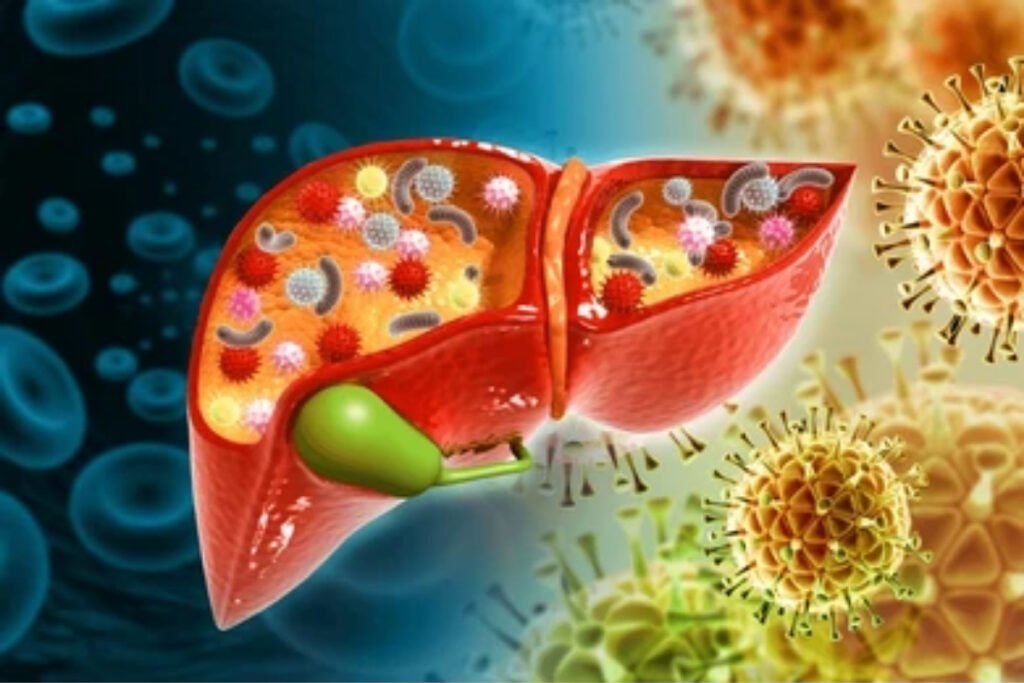
From Hepatitis C Infection to Long-Term Liver Disease
Hepatitis C does not cause the same degree of liver damage in every person. Some individuals may have an infection without significant fibrosis, while persistent infection in others can gradually cause progressive scarring.

When Should You Seek Hepatitis C Virus Treatment?
Hepatitis C may remain unnoticed for years, so specialist evaluation is important when there has been a known exposure, a positive screening test or unexplained liver abnormalities. You should seek evaluation if you have:
- A Positive Hepatitis C Antibody Test - A positive screening result requires further testing to determine whether active infection is present.
- Unexplained Abnormal Liver Tests - Persistent elevation of liver enzymes may require evaluation for viral hepatitis and other liver conditions.
- Previous Blood Exposure - Past exposure to potentially infected blood may warrant hepatitis C testing based on the circumstances.
- Known Hepatitis C Infection - Anyone with confirmed infection should undergo assessment to determine liver health and treatment requirements.
- Signs of Advanced Liver Disease - Jaundice, abdominal swelling, gastrointestinal bleeding or confusion require prompt assessment for possible complications.
Modern hepatitis C treatment focuses on eliminating the virus with oral direct-acting antiviral medicines. The exact treatment regimen depends on the patient’s previous treatment history, liver condition, kidney function and other clinical factors.
Treatment is considered after confirming active HCV infection through appropriate viral testing rather than relying on antibody results alone.
Direct-acting antiviral medicines can target different stages of the hepatitis C viral life cycle and achieve very high cure rates in appropriate patients.
Patients with advanced fibrosis or cirrhosis require careful assessment because treatment planning and follow-up differ from those without significant liver scarring.
Potential drug interactions are reviewed before starting antiviral treatment to ensure that existing medicines do not interfere with the selected regimen.
HCV RNA is assessed after completion of treatment to determine whether the virus has been successfully cleared from the bloodstream.
Patients who already have cirrhosis may continue to require liver cancer surveillance even after hepatitis C has been cured because the underlying risk does not immediately disappear.
What Happens After Hepatitis C Is Cured?
Liver transplantation may become an important consideration when the liver can no longer maintain adequate function despite medical treatment or when complications become recurrent or difficult to control. Transplant evaluation may be considered in situations such as:

Less Liver Damage
Patients without significant fibrosis may need less intensive long-term liver monitoring after successful treatment.

Continued Monitoring
Patients with advanced fibrosis or cirrhosis may still require regular assessment for liver-related complications.

Liver Cancer Surveillance
Patients with established cirrhosis may need continued surveillance for hepatocellular carcinoma even after viral clearance.

Risk of Reinfection
Cure does not provide immunity, so patients with future exposure risks can become infected with hepatitis C again.
Frequently Asked Questions
Can hepatitis C be completely cured?
Yes. Modern direct-acting antiviral medicines can cure hepatitis C in most appropriately treated patients. Cure is confirmed when the virus remains undetectable after completion of treatment.
Can hepatitis C cause cirrhosis?
Yes. Chronic hepatitis C can cause ongoing inflammation and fibrosis over many years. Progressive scarring may eventually lead to cirrhosis and increase the risk of liver-related complications.
Does hepatitis C always cause symptoms?
No. Many people with hepatitis C have no noticeable symptoms, particularly during the early and chronic stages. This is why testing can be important even when a person feels completely well.
Is a positive hepatitis C antibody test enough to diagnose infection?
No. Hepatitis C antibodies indicate previous exposure but cannot confirm whether the virus is currently present. An HCV RNA test is required to identify active infection.
Can hepatitis C return after treatment?
A successfully treated infection generally does not return on its own. However, a person can become infected again if exposed to the virus because successful treatment does not provide immunity.
Does cured hepatitis C still require liver monitoring?
Patients without significant liver damage may need limited follow-up after cure. Those with advanced fibrosis or cirrhosis may continue to require regular monitoring for liver-related complications.
If you have tested positive for hepatitis C, have unexplained liver abnormalities or believe you may have been exposed to the virus, consult a hepatologist for appropriate testing and treatment.