

Hepatic Encephalopathy in Mumbai

Understanding Hepatic Encephalopathy

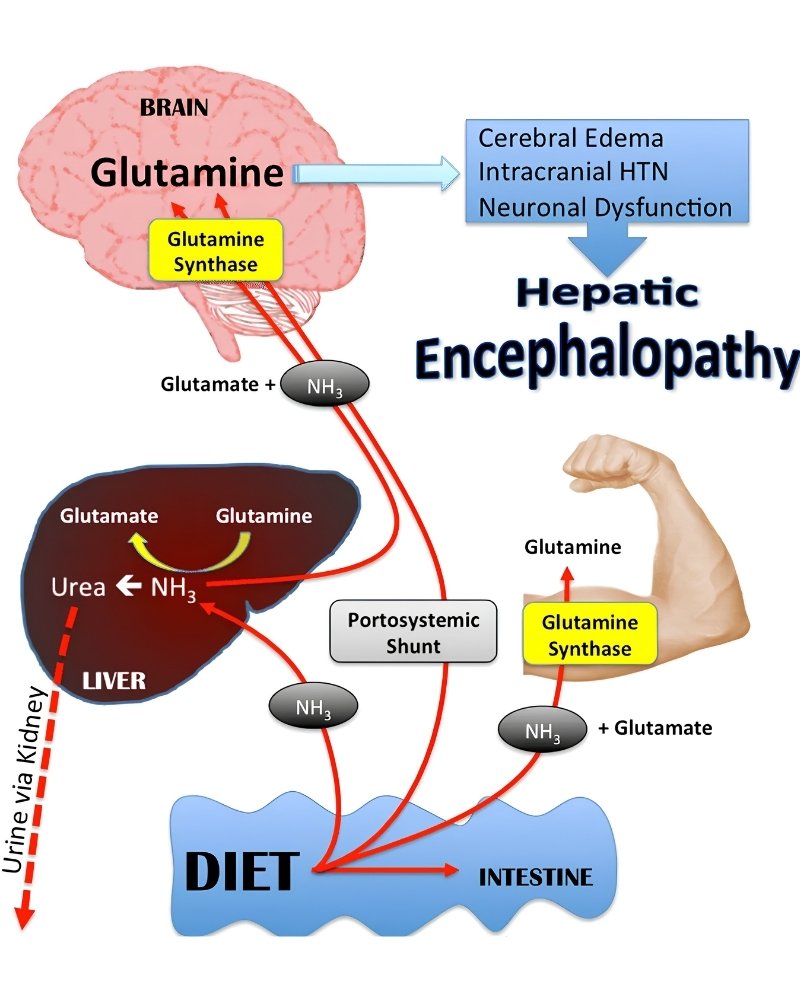
Hepatic encephalopathy is a complication of advanced liver disease in which changes in liver function and blood flow allow certain substances to affect brain function. It can cause changes in concentration, sleep patterns, behaviour, memory, coordination and, in more severe cases, confusion or reduced consciousness.

Episodes can develop suddenly or gradually and are often triggered by another problem such as infection, gastrointestinal bleeding, constipation, dehydration, kidney dysfunction or certain medicines. Identifying and treating the trigger is therefore an important part of managing hepatic encephalopathy.

For patients seeking Hepatic Encephalopathy treatment in Mumbai, Dr. Chetan Kalal provides specialist hepatology assessment to identify the cause of an episode, manage the immediate condition and reduce the risk of recurrence.

Dr. Chetan Kalal: Expertise in Managing Hepatic Encephalopathy

Dr. Chetan Kalal is a DM Hepatologist with 15+ years of experience managing advanced liver disorders, including cirrhosis, liver failure and complications such as hepatic encephalopathy. Recognised as Maharashtra’s first DM Hepatologist, he completed his DM Hepatology training at ILBS, New Delhi, under Prof. S. K. Sarin. His experience in advanced liver disease helps assess both the neurological changes and the underlying liver condition contributing to them.

15+ Years of Experience

Extensive experience managing complex liver and digestive disorders.

First DM Hepatologist in Maharashtra

Advanced specialist training in hepatology from ILBS, New Delhi.

Advanced Liver Disease Expertise

Experience managing complications of cirrhosis and liver failure.

Liver Transplant Expertise

Experience evaluating patients with advanced disease who may require transplant care.

Your Hepatic Encephalopathy Evaluation Starts With Finding the Trigger

An episode of hepatic encephalopathy should not automatically be attributed to liver disease alone. A careful assessment is required to identify factors that may have triggered or worsened the episode. The evaluation focuses on:

Mental and neurological changes
Assessing confusion, altered behaviour, sleep changes and level of consciousness.
Infections
Looking for infections that may have precipitated an episode.

Gastrointestinal bleeding
Checking for bleeding that can increase the burden of substances affecting brain function.

Constipation
Assessing reduced bowel movements as a possible contributing factor.

Kidney function
Evaluating dehydration, kidney dysfunction and electrolyte disturbances.

Medications and triggers
Reviewing medicines and other factors that may contribute to altered mental status.


Hepatic Encephalopathy in Mumbai: Understanding How It Develops

The liver normally helps remove substances from the blood that can affect the brain. Advanced liver disease and changes in blood flow through the liver can interfere with this process.

  • Reduced Liver Function

    A severely damaged liver may become less effective at processing substances produced in the body.

  • Altered Blood Flow

    Portal hypertension and abnormal blood vessels can allow some blood to bypass the liver before being filtered.

  • Changes in Brain Function

    The resulting changes in the body's internal environment can affect concentration, behaviour, coordination and consciousness.

  • Precipitating Factors

    Infections, bleeding, constipation, dehydration and other disturbances can trigger or worsen an episode.

What Can Hepatic Encephalopathy Look Like?

The severity can vary considerably, from subtle changes that may be noticed by family members to severe confusion and loss of consciousness.

Changes in Sleep Pattern

A person may sleep more during the day and remain awake or restless at night.

Difficulty Concentrating

Reduced attention, forgetfulness or difficulty completing familiar tasks may develop.

Changes in Behaviour

Irritability, unusual behaviour or changes in personality may become noticeable.

Confusion and Disorientation

More advanced episodes can cause difficulty recognising people, places or situations.

Movement Changes

Some patients may develop a characteristic flapping movement of the hands or problems with coordination.

Reduced Consciousness

Severe hepatic encephalopathy can progress to marked drowsiness, stupor or coma.

When Should You Seek Urgent Medical Attention?

Changes in mental status in a person with liver disease should be taken seriously, particularly when they develop suddenly. Urgent assessment is important when there is:

Building a Treatment Strategy Around the Cause and Severity

Treatment involves controlling the current episode, correcting the trigger and preventing further episodes. The approach depends on the severity of encephalopathy and the underlying liver disease.

Preventing Recurrent Hepatic Encephalopathy

Once an episode has been treated, preventing another episode becomes an important part of long-term liver care. It may involve:

Taking prescribed medicines regularly and as directed

Maintaining regular bowel movements

Recognising early changes in behaviour or mental status

Managing infections and other precipitating conditions promptly

Frequently Asked Questions

Many episodes can improve when the underlying trigger is identified and treated promptly. Long-term control also depends on managing the underlying liver disease and preventing factors that can trigger recurrence.

It can indicate significant liver dysfunction, particularly when it occurs in patients with cirrhosis. The severity and recurrence of episodes are important factors when assessing the stage of liver disease.

Yes. An episode can develop over a short period, particularly when triggered by infection, gastrointestinal bleeding, constipation, dehydration or another acute problem.

Early or mild changes may mainly involve sleep, concentration, coordination or behaviour before obvious confusion develops. Family members may notice these changes before the patient does.

No. Many episodes can be managed by treating the trigger and controlling the underlying liver disease. Transplant evaluation is considered when liver disease is sufficiently advanced or complications become difficult to control.

Yes. Recurrence is possible, particularly in advanced liver disease. Identifying previous triggers, following prescribed treatment and monitoring the underlying liver condition can help reduce the risk.

Managing the Episode While Addressing the Liver Disease

If a person with liver disease develops new confusion, unusual behaviour, excessive sleepiness or other changes in mental status, prompt medical assessment is important.

About

Dr. Chetan Kalal is a DM Hepatologist with 15+ years of experience in managing liver diseases, advanced liver conditions and liver transplant-related care. He currently serves as Associate Director, Hepatology & Liver Transplant at Gleneagles Hospital, Mumbai.

Reach Out To Us

Copyright © 2023 DR. CHETAN KALAL | DESIGNED BY EEG TECHNOGEEKS

Scroll to Top