
Liver Biopsy Procedure in Mumbai
Understanding Liver Biopsy
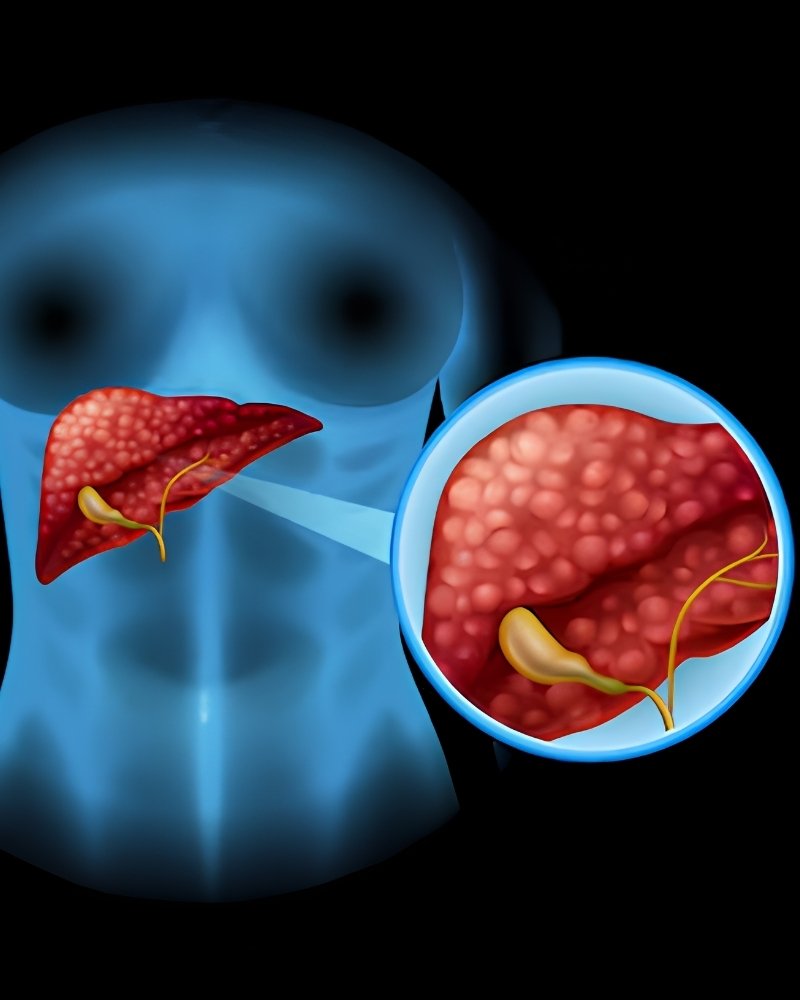
A liver biopsy is a procedure in which a small sample of liver tissue is obtained and examined under a microscope. It can provide information about inflammation, fibrosis, fatty changes, autoimmune injury, infiltrative diseases and certain liver tumours when blood tests and imaging alone cannot establish the diagnosis.
A biopsy is not required for every liver condition. The decision depends on the clinical question, the results of previous investigations and whether the tissue findings are likely to change treatment. Depending on the patient’s condition, a biopsy may be performed through the skin (percutaneous liver biopsy) or through a vein (transjugular liver biopsy).
For patients seeking Liver Biopsy in Mumbai, Dr. Chetan Kalal provides specialist hepatology assessment to determine whether a biopsy is appropriate and which approach is safest for the individual patient.
Dr. Chetan Kalal: Expertise in Liver Biopsy Procedure
Dr. Chetan Kalal is a DM Hepatologist with 15+ years of experience in evaluating complex liver conditions, including fatty liver disease, hepatitis, cirrhosis and unexplained liver abnormalities. Recognised as Maharashtra’s first DM Hepatologist, he trained in Hepatology at ILBS, New Delhi, under Prof. S. K. Sarin. His experience helps determine when liver tissue examination can provide clinically useful information and which biopsy approach may be appropriate.

15+ Years of Experience
Extensive experience evaluating complex liver disorders.
First DM Hepatologist in Maharashtra
Advanced specialist training in hepatology from ILBS, New Delhi.
Advanced Liver Disease Expertise
Experience assessing fibrosis, inflammation and liver-related complications.
26 Peer-Reviewed Publications
Research contributions across national and international medical journals.
Your Liver Biopsy Evaluation Starts With One Important Question
Will a biopsy provide information that changes the diagnosis or treatment?
A liver biopsy is considered when the information obtained from tissue examination is expected to answer an important clinical question. Blood tests, imaging and non-invasive fibrosis assessments are reviewed first to determine whether a biopsy is necessary. The evaluation focuses on:




What Can a Liver Biopsy Help Determine?
A liver biopsy can provide microscopic information that may not be available through routine blood tests or imaging.
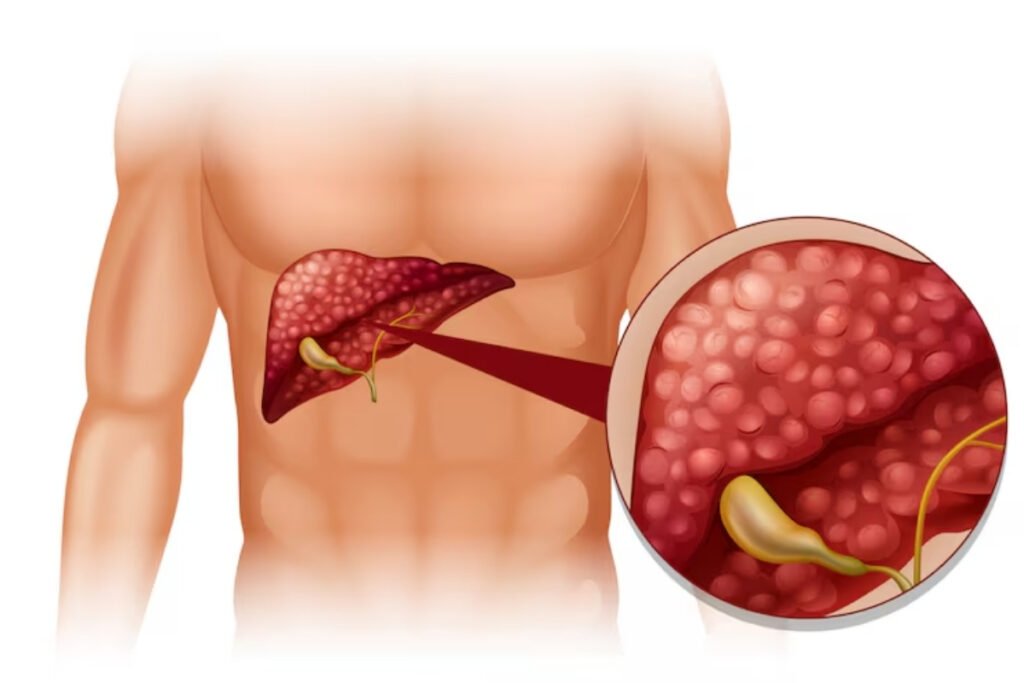
Fibrosis and Cirrhosis
The tissue sample can help assess the degree and pattern of liver scarring when non-invasive tests do not provide sufficient information.
Liver Inflammation
Biopsy may identify the presence and severity of inflammatory changes associated with certain liver diseases.
Fatty Liver Disease
Tissue examination can help identify fat accumulation and, in selected cases, determine whether significant inflammation or fibrosis is present.
Autoimmune and Other Liver Diseases
Biopsy may help support the diagnosis of autoimmune hepatitis and certain metabolic, infiltrative or drug-related liver conditions.
Liver Lesions
In selected cases, tissue examination may help determine the nature of a suspicious liver lesion when imaging does not provide a definitive diagnosis.
Liver Biopsy in Mumbai: Choosing the Appropriate Biopsy Approach
The biopsy technique depends on the patient’s liver condition, blood clotting status, presence of ascites and the location of the area that needs to be sampled.
When Should You Consider a Liver Biopsy?
A liver biopsy is usually considered when other investigations have not answered an important clinical question or when tissue confirmation may influence treatment. It may be recommended when there is:
- Unexplained Liver Abnormality - Persistent liver test abnormalities without a clear diagnosis may require further tissue assessment.
- Uncertain Fibrosis Stage - A biopsy may be considered when non-invasive fibrosis tests provide conflicting or inconclusive results.
- Suspected Autoimmune Liver Disease - Tissue findings can provide important information when autoimmune hepatitis or another inflammatory liver condition is being considered.
- Unclear Liver Lesion - Selected liver lesions may require tissue diagnosis when imaging cannot establish their nature with sufficient certainty.
- Uncertain Cause of Liver Disease - When several possible causes are being considered, biopsy may help distinguish between different patterns of liver injury.
A liver biopsy can provide microscopic information that may not be available through routine blood tests or imaging.
The tissue sample can help assess the degree and pattern of liver scarring when non-invasive tests do not provide sufficient information.
Biopsy may identify the presence and severity of inflammatory changes associated with certain liver diseases.
Tissue examination can help identify fat accumulation and, in selected cases, determine whether significant inflammation or fibrosis is present.
Biopsy may help support the diagnosis of autoimmune hepatitis and certain metabolic, infiltrative or drug-related liver conditions.
In selected cases, tissue examination may help determine the nature of a suspicious liver lesion when imaging does not provide a definitive diagnosis.
What Happens Before and After a Liver Biopsy?
Preparation depends on the chosen biopsy technique and the patient’s medical condition. Previous reports, medications and blood clotting results are reviewed before the procedure.

Before the Procedure
The medical team reviews medications, bleeding risk, laboratory results and the reason for performing the biopsy.

During the Procedure
The patient is positioned appropriately, the biopsy area is prepared and a small tissue sample is obtained using the selected approach.

Immediately After
The patient is monitored for a period to identify pain, bleeding or other early complications before discharge or further observation.

Biopsy Report
The tissue is examined by a pathologist, and the findings are interpreted alongside the patient's other clinical investigations.
Frequently Asked Questions About Liver Biopsy
Is a liver biopsy required for every liver disease?
No. Many liver conditions can be diagnosed and monitored using blood tests, imaging and non-invasive fibrosis assessments. A biopsy is considered when tissue information is likely to answer an important clinical question.
Is a liver biopsy painful?
The procedure is performed using local anaesthesia, although some patients may experience brief discomfort or pressure. Pain after the procedure is usually monitored and managed according to the patient’s condition.
How is a liver biopsy performed?
A biopsy can be performed through the skin using a percutaneous approach or through a vein using a transjugular approach. The technique depends on the patient’s liver condition and procedural risk.
Why is a transjugular liver biopsy performed?
A transjugular biopsy may be preferred when bleeding risk or significant ascites makes a percutaneous biopsy less suitable. It allows liver tissue to be obtained through the venous system.
How long does it take to recover from a liver biopsy?
Most patients are observed for a period after the procedure and can resume routine activities according to medical advice. Recovery recommendations may vary depending on the biopsy technique and individual condition.
When are liver biopsy results available?
The tissue sample must be processed and examined by a pathologist before the final report is issued. The timing can vary depending on the tests required and the complexity of the findings.
If your liver tests, imaging or fibrosis assessments have not provided a clear diagnosis, consult a hepatologist to understand whether a liver biopsy could provide useful information.