
Fatty Liver Disease Treatment in Mumbai

Understanding Fatty Liver Disease

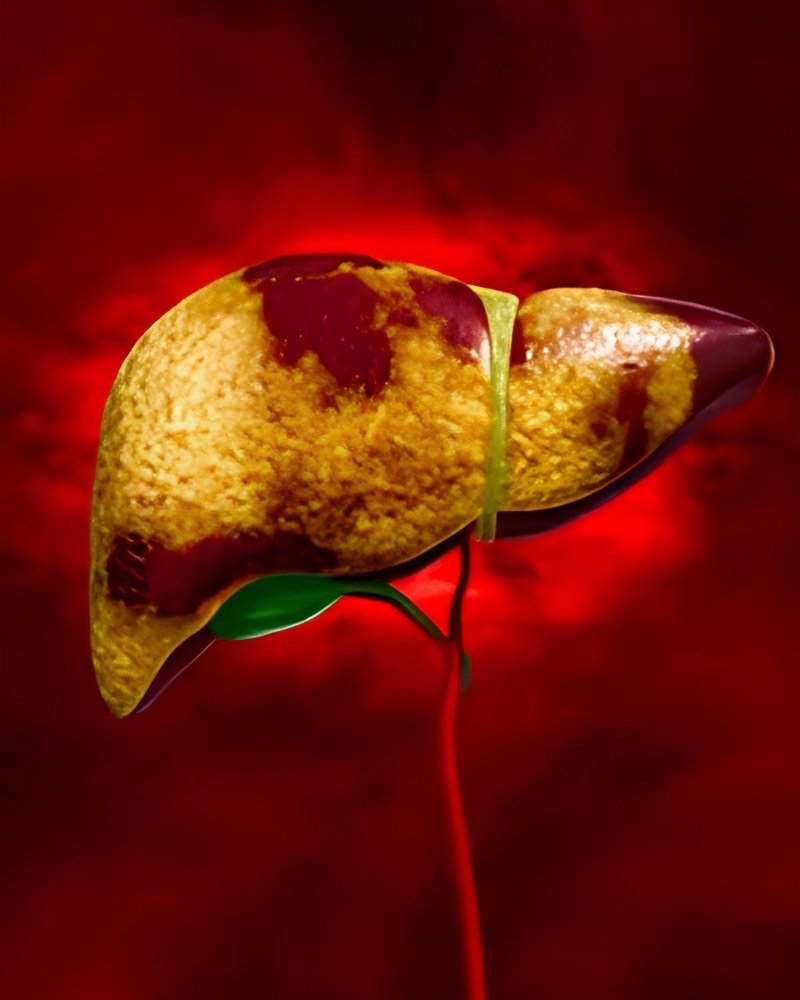
Fatty liver disease occurs when excess fat accumulates within the liver. It is commonly associated with conditions such as obesity, diabetes, insulin resistance, high cholesterol and other metabolic factors, although alcohol intake and certain medicines can also contribute to liver fat accumulation. Many people have no noticeable symptoms, but in some patients the condition can progress from simple fat accumulation to inflammation, fibrosis and eventually cirrhosis.

The important question is not only how much fat is present in the liver, but whether there is inflammation or significant scarring that could affect long-term liver health. Early assessment can help identify these risks and determine what needs to change to prevent progression.

For patients seeking Fatty Liver Disease Treatment in Mumbai, Dr. Chetan Kalal provides specialist hepatology evaluation focused on identifying the cause, assessing liver fibrosis and managing the factors contributing to liver disease.

Fatty Liver Disease Treatment in Mumbai

Dr. Chetan Kalal: Expertise in Managing Fatty Liver Disease

Fatty Liver Disease Treatment in Mumbai

Dr. Chetan Kalal is a DM Hepatologist with 15+ years of experience in managing complex liver conditions, including fatty liver disease, hepatitis, cirrhosis and liver transplant-related care. Recognised as Maharashtra’s first DM Hepatologist, he trained in Hepatology at ILBS, New Delhi, under Prof. S. K. Sarin. His experience includes evaluating liver fibrosis, managing metabolic risk factors and monitoring patients at risk of progressive liver disease.

15+ Years of Experience

Extensive experience managing fatty liver and complex liver disorders.

First DM Hepatologist in Maharashtra

Advanced specialist training in hepatology from ILBS, New Delhi.

Advanced Liver Disease Expertise

Experience assessing fibrosis, cirrhosis and related complications.

Research & Publications

Academic work includes research related to body composition and liver disease.

Your Fatty Liver Evaluation Starts With Understanding the Risk

Not everyone with fatty liver develops significant liver damage. The evaluation therefore focuses on identifying patients who have a higher risk of inflammation, fibrosis or progression to cirrhosis. The initial assessment looks at:

Amount of liver fat
Assessing the presence and extent of fat accumulation
Liver inflammation
Evaluating whether ongoing liver injury is present.

Fibrosis
Determining whether significant scar tissue has developed.

Metabolic health
Reviewing weight, blood sugar, cholesterol and blood pressure.

Alcohol intake
Assessing whether alcohol may be contributing to liver injury.

Other liver conditions
Excluding viral, autoimmune or other causes of liver abnormalities.
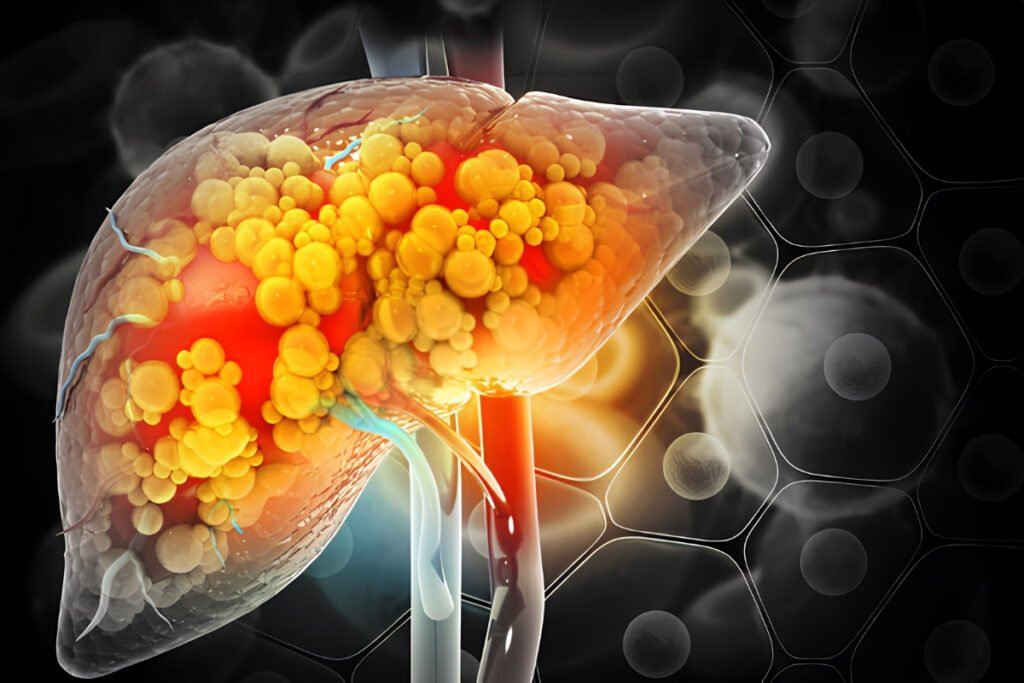
Fatty Liver Disease Treatment in Mumbai: Assessing Liver Health Beyond Ultrasound

An ultrasound may identify fat in the liver, but it does not reliably determine how much fibrosis is present. A more detailed assessment may therefore be required, particularly when metabolic risk factors or abnormal liver tests are present. Depending on the clinical situation, evaluation may include:

Fatty Liver Disease Treatment in Mumbai

From Fat Accumulation to Progressive Liver Disease

Fatty liver disease can remain stable for years, but some patients develop ongoing inflammation and fibrosis that gradually affects liver structure and function.

Simple Steatosis

Fat accumulates within the liver without significant inflammation or liver injury in many patients.

Steatohepatitis

Fat accumulation is accompanied by inflammation and liver cell injury, increasing the possibility of progressive fibrosis.

Cirrhosis

Advanced fibrosis can permanently alter liver structure and increase the risk of complications such as and liver cancer.

Liver Fibrosis

Repeated liver injury can lead to the formation of scar tissue, with increasing fibrosis associated with greater long-term risk.

Fatty Liver Disease

When Should You Seek Specialist Liver Evaluation?

Fatty liver is often discovered incidentally during an ultrasound or routine health check. Specialist evaluation becomes more important when there are abnormal liver tests, metabolic risk factors or evidence of fibrosis. You should consider a hepatology evaluation if you have:

Building a Treatment Strategy Around the Cause and Stage

There is no single treatment that is appropriate for every person with fatty liver disease. Management depends on the degree of liver damage and the metabolic or other factors contributing to it.

What Happens When Fatty Liver Improves?

Improvement in fatty liver depends on the underlying cause and the degree of existing liver damage. Reducing metabolic risk factors and addressing the causes of liver injury can decrease liver fat and, in some patients, improve inflammation and fibrosis.

Step 1

Reduced Liver Fat

Changes in weight, diet and metabolic health can reduce excess fat accumulation within the liver.

Step 2

Better Metabolic Control

Improved blood sugar, cholesterol and insulin sensitivity can reduce ongoing metabolic stress on the liver.

Step 3

Lower Risk of Progression

Addressing the underlying risk factors can reduce the likelihood of progression to advanced fibrosis and cirrhosis.

Step 4

Continued Monitoring

Patients with significant fibrosis may still require regular liver assessment even after liver fat and metabolic markers improve.

Frequently Asked Questions About Fatty Liver Disease

Fatty liver can improve significantly when the underlying causes are addressed. Weight management, physical activity and control of metabolic conditions can reduce liver fat, while the possibility of fibrosis improvement depends on the extent of existing liver damage.

No. Many people with fatty liver do not develop advanced liver disease. The risk is higher when significant inflammation and fibrosis are present, making assessment of liver scarring important for determining long-term risk.

The appropriate advice depends on the amount of liver damage and the underlying cause. Patients with significant liver disease may be advised to avoid alcohol completely to prevent additional liver injury.

No. Fatty liver can occur in people who are not overweight as well. Diabetes, insulin resistance, cholesterol abnormalities, genetics, alcohol and other medical factors can also contribute to liver fat accumulation.

Many people with fatty liver have no noticeable symptoms. Some may experience fatigue or vague abdominal discomfort, but symptoms alone cannot determine the severity of liver damage.

Monitoring may include liver function tests, metabolic assessments, fibrosis scoring, FibroScan and appropriate imaging. The frequency of follow-up depends on the extent of fibrosis and the individual’s risk factors.

Addressing Fatty Liver Before It Becomes Advanced Liver Disease

If you have been diagnosed with fatty liver, have abnormal liver tests or have metabolic risk factors, consult a hepatologist to understand your liver health and the next appropriate step.

Copyright © 2026 DR. CHETAN KALAL | DESIGNED BY EEG TECHNOGEEKS

Scroll to Top