
Alcoholic Liver Disease in Mumbai
Understanding Alcoholic Liver Disease
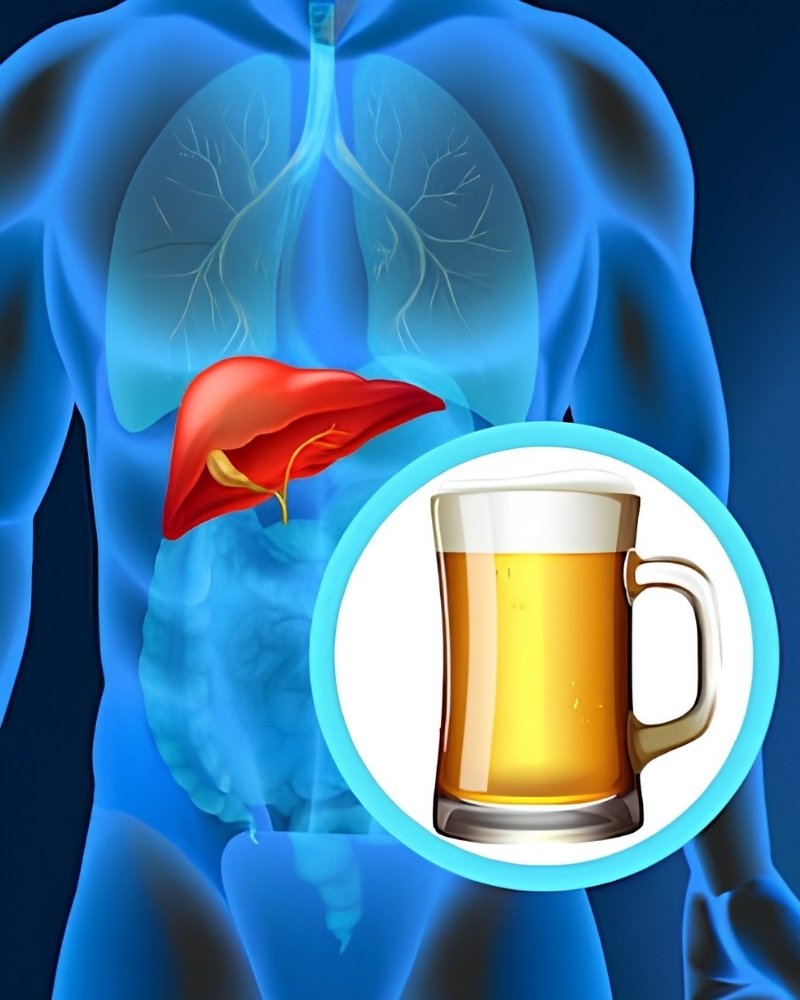
Alcoholic liver disease develops when repeated or prolonged alcohol exposure causes injury to the liver. It can range from alcohol-associated fatty liver and inflammation to fibrosis, cirrhosis and, in advanced cases, liver failure. The extent of damage varies between individuals and is influenced by alcohol exposure, nutritional status, metabolic health and other liver conditions.
In its earlier stages, alcohol-related liver disease may cause few noticeable symptoms. As liver injury progresses, patients may develop fatigue, loss of appetite, jaundice, abdominal swelling or other complications. Early evaluation can identify the extent of liver damage, assess whether the disease is still reversible and help prevent progression.
For patients seeking Alcoholic Liver Disease in Mumbai, Dr. Chetan Kalal provides specialist hepatology evaluation for alcohol-related liver conditions, including alcoholic hepatitis, fibrosis, cirrhosis and complications of advanced liver disease.
Dr. Chetan Kalal: Expertise in Managing Alcoholic Liver Disease

Dr. Chetan Kalal is a DM Hepatologist with 15+ years of experience in managing complex liver conditions, including alcohol-related liver disease, cirrhosis and liver transplant-related care. Recognised as Maharashtra’s first DM Hepatologist, he trained in Hepatology at ILBS, New Delhi, under Prof. S. K. Sarin. His expertise includes assessing the stage of alcohol-related liver injury, managing complications and determining when advanced liver or transplant evaluation may be appropriate.

15+ Years of Experience
Extensive experience managing alcohol-related and complex liver disorders.
First DM Hepatologist in Maharashtra
Advanced specialist training in hepatology from ILBS, New Delhi.
Liver Transplant Expertise
Experience managing advanced liver disease and transplant-related care.
Research in Alcoholic Liver Disease
Published research on sarcopenia and body composition in alcoholic cirrhosis.
Your Alcoholic Liver Disease Evaluation Starts With Understanding the Damage
Alcohol-related liver disease does not follow the same course in every patient. Some people may have fatty liver with preserved liver function, while others may already have significant fibrosis, cirrhosis or alcohol-associated hepatitis. The initial assessment looks at:






Alcoholic Liver Disease in Mumbai: Finding the Extent and Cause of Liver Injury
A detailed assessment helps determine whether alcohol is the primary cause of liver damage or whether additional conditions are contributing to it. Blood tests may evaluate liver enzymes, bilirubin, albumin, blood counts, clotting function and kidney function, while imaging and non-invasive fibrosis assessment can provide information about liver structure and scarring. Depending on the clinical situation, evaluation may include assessment for:
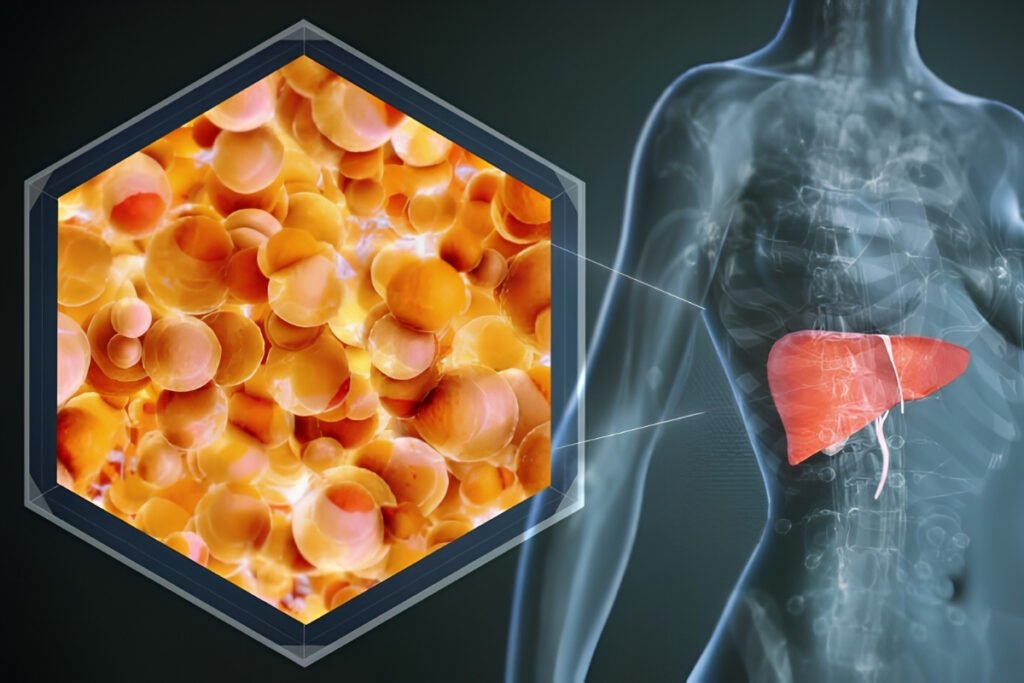
From Fatty Liver to Advanced Alcohol-Related Liver Disease
Alcohol-related liver disease can develop gradually, and the amount of liver damage does not always correspond to the symptoms a person experiences.

When Should You Seek Alocholic Liver Disease Specialist?
A hepatology consultation is advisable when there is regular or long-term alcohol use along with abnormal liver tests, fatty liver, jaundice, unexplained fatigue, weight loss or a previous diagnosis of liver disease.
Seek prompt medical attention if you develop:
- Yellowing of the Eyes or Skin - Jaundice may indicate significant liver inflammation or impaired liver function.
- Increasing abdominal swelling - New abdominal fluid accumulation may indicate advanced liver disease or portal hypertension.
- Persistent Nausea or Loss of Appetite- Ongoing digestive symptoms and reduced food intake may accompany active alcohol-related liver injury.
- Confusion or Excessive Sleepiness- Changes in behaviour, concentration or consciousness may indicate hepatic encephalopathy.
- Vomiting Blood or Black Stools - These can indicate gastrointestinal bleeding from enlarged veins associated with portal hypertension.
Treatment depends on the extent of liver injury, the presence of inflammation or fibrosis and whether complications have developed. The central objective is to stop further alcohol-related injury while addressing the consequences of existing liver damage.
Stopping alcohol completely is the most important step in preventing continued alcohol-related liver injury and can allow liver function to improve in appropriate patients.
Patients with significant alcohol-associated hepatitis may require specific medical treatment after assessment of disease severity, infection risk and other factors affecting treatment decisions.
The degree of liver scarring helps determine long-term risk and follow-up requirements. Non-invasive fibrosis assessment and appropriate imaging can support ongoing monitoring.
Patients with advanced fibrosis or cirrhosis may require assessment for portal hypertension and varices, with medicines or endoscopic treatment when clinically indicated.
Nutritional assessment is important because inadequate calorie and protein intake and muscle loss are common in advanced alcohol-related liver disease.
Ascites, hepatic encephalopathy, gastrointestinal bleeding and infections require specific treatment and regular monitoring when they develop.
When Does Liver Transplant Evaluation Become Relevant?
Most patients with alcohol-related liver disease do not require transplantation in the early stages. Transplant evaluation becomes relevant when advanced liver disease causes significant deterioration in liver function or complications that cannot be adequately controlled with medical treatment. Evaluation may be considered in patients with:

Decompensated
cirrhosis

Recurrent or difficult-to-control ascites

Significant deterioration in liver function

Persistent hepatic encephalopathy
Frequently Asked Questions
Can alcoholic liver disease be reversed?
Some forms of alcohol-related liver injury, particularly fatty liver, can improve significantly with complete alcohol abstinence. Advanced fibrosis and cirrhosis are more difficult to reverse, making early intervention important.
Does stopping alcohol improve liver health?
Yes. Complete alcohol abstinence removes the ongoing source of alcohol-related injury and can improve liver inflammation and function. The extent of recovery depends on the stage and severity of existing liver damage.
Can alcoholic liver disease cause cirrhosis?
Yes. Repeated alcohol-related liver injury can progress from fatty liver and inflammation to fibrosis and eventually cirrhosis. The risk varies depending on alcohol exposure and other individual factors.
Can someone have alcoholic liver disease without symptoms?
Yes. Early alcohol-related liver disease may cause few or no noticeable symptoms. Liver abnormalities can sometimes be detected through blood tests or imaging before significant complications develop.
Can alcoholic liver disease affect nutrition?
Yes. Advanced alcohol-related liver disease can be associated with poor nutritional intake, vitamin deficiencies and muscle loss. Nutritional assessment is therefore an important part of managing more advanced disease.
When should liver transplant be considered?
Transplant evaluation is generally considered when alcohol-related liver disease becomes advanced and liver function deteriorates or complications cannot be adequately controlled with medical treatment.
If you have regular alcohol exposure, abnormal liver tests or have already been diagnosed with alcohol-related liver disease, consult a hepatologist to understand the extent of liver damage and the next appropriate step.



