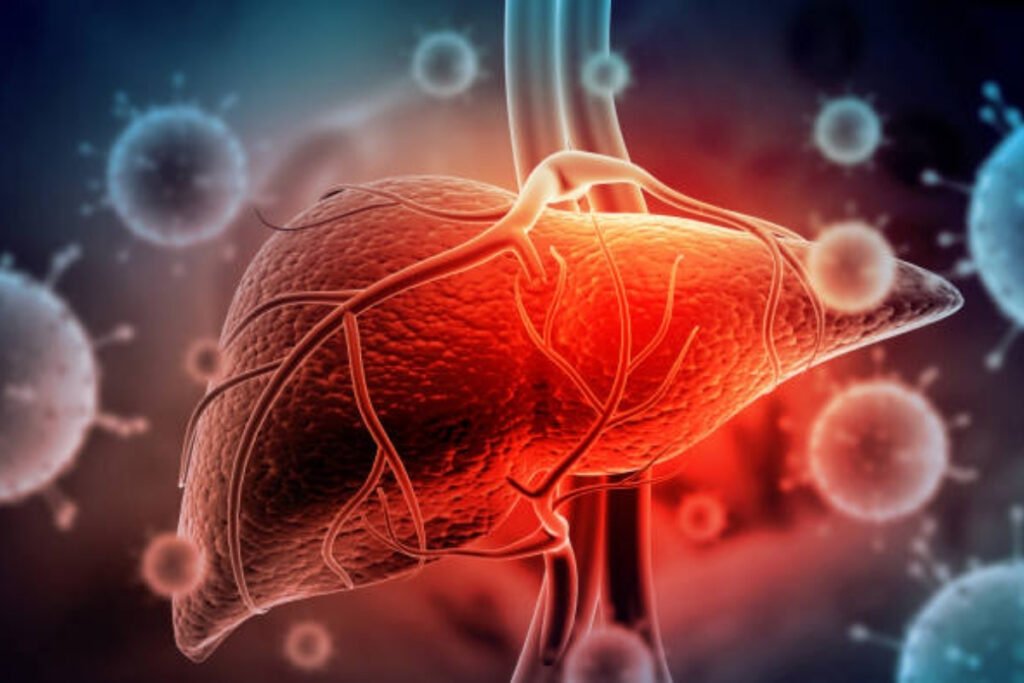
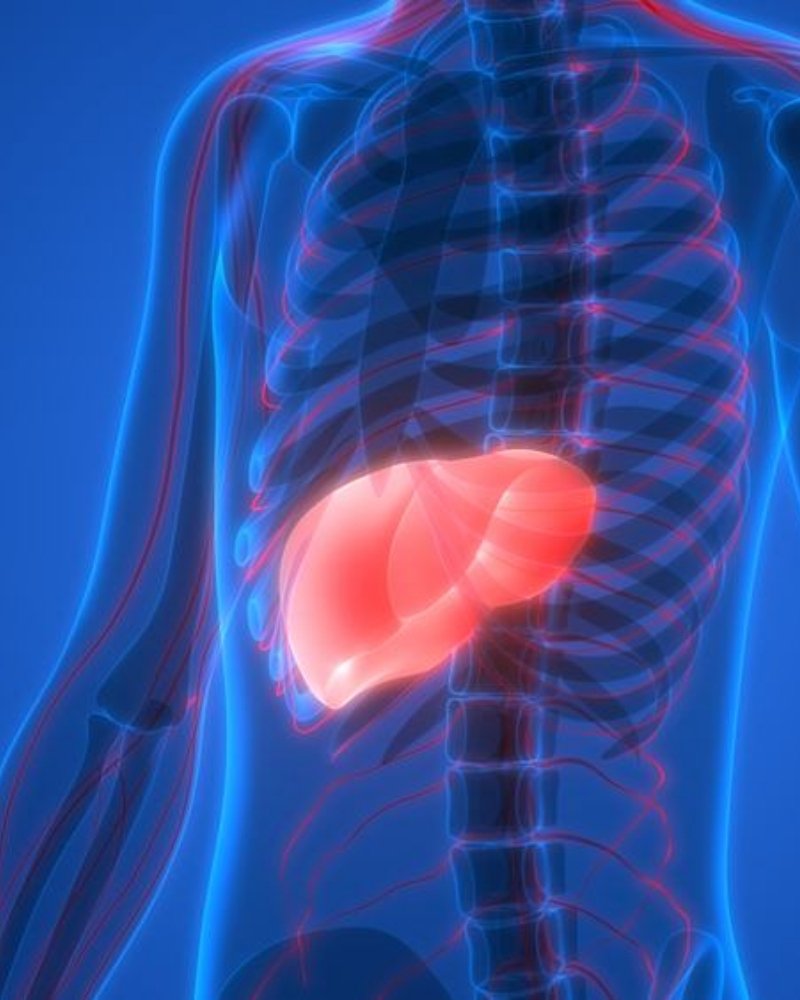


Acute Liver Failure in Mumbai
Understanding Acute Liver Failure
Acute liver failure is a serious condition in which the liver rapidly loses its ability to perform essential functions in a person who may not have had previously established severe liver disease. It can develop over days or weeks and may lead to jaundice, abnormal blood clotting, hepatic encephalopathy and problems affecting other organs.
The causes can include certain medications or drug toxicity, viral hepatitis, autoimmune liver disease, metabolic conditions and, in some cases, an unidentified cause. Because acute liver failure can progress rapidly, early assessment is essential to identify the cause, manage complications and determine whether the liver is likely to recover or whether urgent transplant evaluation is required.
For patients seeking Acute Liver Failure in Mumbai, Dr. Chetan Kalal brings specialised hepatology expertise in evaluating severe liver dysfunction and managing patients who may require advanced liver support or transplant care.
Dr. Chetan Kalal: Expertise in Managing Acute Liver Failure
Dr. Chetan Kalal is a DM Hepatologist with 15+ years of experience in managing complex liver conditions, including acute liver failure, advanced liver disease and liver transplant-related care. Recognised as Maharashtra’s first DM Hepatologist, he trained in Hepatology at ILBS, New Delhi, under Prof. S. K. Sarin. His experience includes assessing rapidly worsening liver function, managing complications and determining when urgent advanced liver or transplant evaluation may be required.
15+ Years of Experience
Extensive experience managing complex liver and digestive disorders.
First DM Hepatologist in Maharashtra
Advanced specialist training in hepatology from ILBS, New Delhi.
Liver Transplant Expertise
Experience managing severe liver disease and transplant-related care.
Academic & Research Experience
26 peer-reviewed publications in national and international journals.
When Liver Function Deteriorates Suddenly
Acute liver failure requires a different approach from long-standing liver disease because the deterioration can occur rapidly. The first priority is to establish whether the patient has true acute liver failure, identify the underlying cause and assess how severely liver function has been affected. The initial evaluation focuses on:


Acute Liver Failure in Mumbai: Identifying the Cause Before It Progresses
A detailed evaluation is essential because some causes of acute liver failure have specific treatments that can significantly influence the outcome. The medical history, medication exposure and timing of symptoms are particularly important. Depending on the clinical situation, evaluation may include assessment for:
From Liver Injury to Acute Liver Failure
Not every patient with suddenly abnormal liver tests has acute liver failure. The condition becomes particularly serious when severe liver injury is accompanied by impaired liver function and neurological changes.
When Should You Seek Specialist Liver Evaluation?
Acute liver failure is a medical emergency and requires urgent hospital-based assessment. Immediate evaluation is particularly important when jaundice is accompanied by changes in mental status, bleeding or rapidly worsening illness. Seek emergency medical attention if you develop:
- Sudden Yellowing of the Eyes or Skin - Rapidly developing jaundice can be a sign of significant acute liver injury.
- Confusion or Altered Consciousness - Changes in behaviour, alertness, concentration or consciousness may indicate hepatic encephalopathy.
- Unusual Bleeding or Bruising - Reduced clotting ability can cause unexpected bruising, bleeding or prolonged bleeding.
- Persistent Vomiting or Severe Weakness - Significant vomiting and weakness may accompany severe liver injury and metabolic disturbances.
- Reduced Urine Output - A sudden reduction in urine may indicate kidney involvement and requires urgent medical assessment.
Treatment for acute liver failure is usually hospital-based and depends on the underlying cause, severity of liver dysfunction and complications affecting other organs. The priorities are to treat the cause where possible, support failing organ systems and assess the need for transplantation.
Specific treatment may be available for causes such as drug or toxin exposure, viral infection or autoimmune liver disease.
Close monitoring helps maintain blood pressure, blood glucose, fluid balance, nutrition and other essential functions while assessing liver recovery.
Changes in brain function require careful monitoring and treatment while potential triggers and related complications are identified and addressed.
Kidney function, circulation, electrolytes and other organ systems require close monitoring because acute liver failure can affect multiple organs.
Abnormal blood clotting is monitored regularly, with blood products or other interventions used when clinically indicated to manage significant bleeding risk.
Infections, brain swelling, metabolic abnormalities and other complications require early recognition and appropriate treatment during the acute phase.
When Does Liver Transplant Evaluation Become Relevant?
Liver transplantation can become an urgent consideration when the liver shows little evidence of recovery or when severe complications develop despite appropriate medical treatment. Transplant evaluation may become relevant in patients with:

Significant abnormalities in blood clotting

Severe or worsening liver dysfunction

Severe complications affecting multiple organs


Persistent metabolic or circulatory instability
Frequently Asked Questions
What causes acute liver failure?
Acute liver failure can result from medications or toxins, viral hepatitis, autoimmune liver disease, metabolic disorders and other causes. In some patients, despite detailed testing, the exact cause may remain unidentified.
Does acute liver failure always require a transplant?
No. Some patients recover when the underlying cause is treated and the liver is able to regenerate. Transplantation is considered when recovery is unlikely or severe complications continue despite medical treatment.
How is acute liver failure diagnosed?
Diagnosis involves assessing liver injury, blood clotting and neurological function while investigating the underlying cause. Blood tests, imaging and other investigations are selected according to the patient’s clinical condition.
Can acute liver failure be reversed?
Recovery depends on the underlying cause, severity and extent of liver damage. Some patients recover with timely medical treatment, while others may develop progressive liver failure and require urgent transplant evaluation.
Is acute liver failure a medical emergency?
Yes. Acute liver failure can progress rapidly and affect the brain, kidneys, circulation and other organs. Patients with suspected acute liver failure require urgent hospital-based assessment and monitoring.
Can medicines cause acute liver failure?
Yes. Certain medicines, overdoses and other substances can cause severe liver injury. A detailed review of prescription drugs, over-the-counter medicines, supplements and toxin exposure is therefore an important part of evaluation.
If there is sudden jaundice accompanied by confusion, unusual bleeding, severe weakness or other signs of rapidly worsening liver function, urgent hospital assessment is essential.