
MR Elastography in Mumbai
Understanding MR Elastography
Magnetic Resonance Elastography (MRE) is a non-invasive imaging technique used to measure the stiffness of the liver. It combines MRI imaging with gentle mechanical vibrations to assess how the liver tissue responds, helping estimate the degree of fibrosis or scarring.
Unlike a conventional liver biopsy, MR Elastography does not require a tissue sample. It can provide information about liver stiffness across a larger portion of the liver and can be useful when evaluating chronic liver disease or monitoring changes over time.
For patients seeking MR Elastography in Mumbai, the test is interpreted alongside liver blood tests, clinical findings and other imaging rather than being considered as a standalone diagnosis.
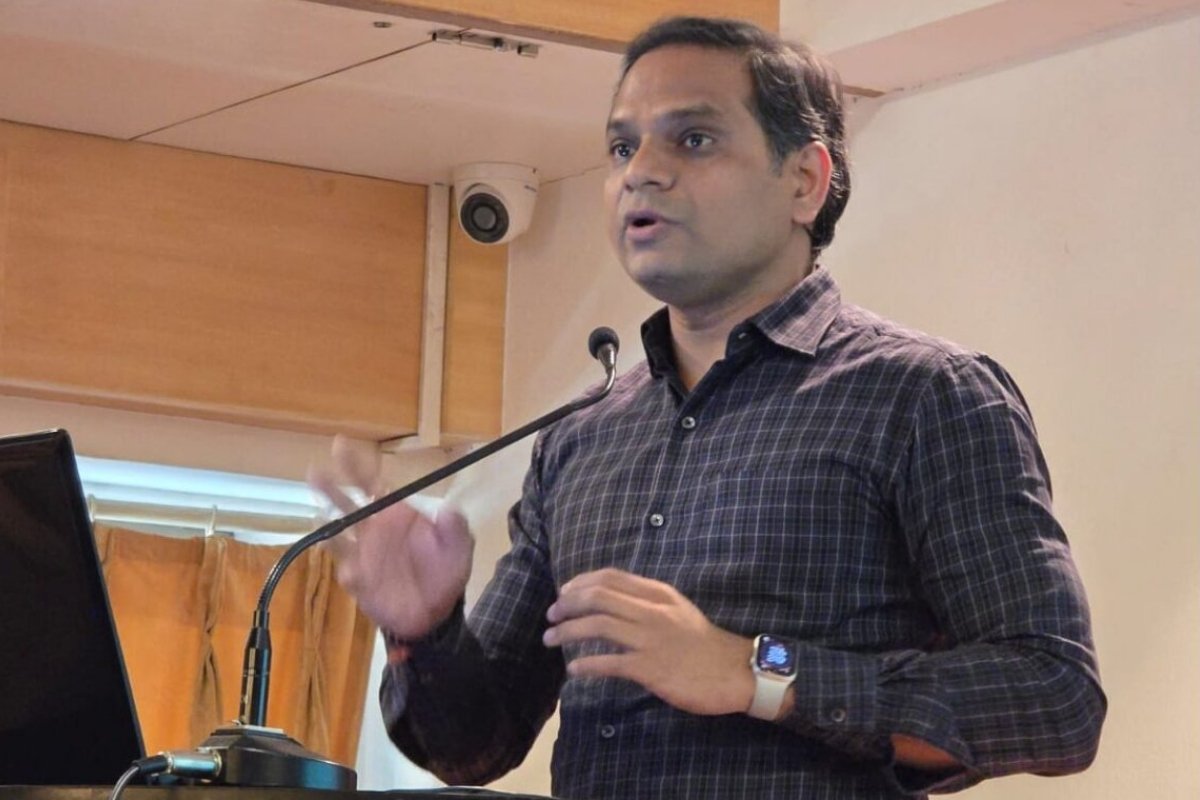
Dr. Chetan Kalal: Expertise in Advanced Liver Assessment
Dr. Chetan Kalal is a hepatologist with 15+ years of experience in evaluating and managing liver diseases. As Maharashtra’s first DM Hepatologist, he has extensive experience in assessing conditions ranging from fatty liver and viral hepatitis to cirrhosis and advanced liver disease. His DM Hepatology training from ILBS, New Delhi, under Prof. S. K. Sarin, and his experience in hepatology and liver transplant care support a structured approach to interpreting liver stiffness measurements within the wider clinical picture.
15+ Years of Experience
Expertise in complex liver and digestive disorders.
First DM Hepatologist in Maharashtra
Specialist hepatology training from ILBS, New Delhi.
Liver Transplant Expertise
Experience in advanced liver disease and transplant-related care.
Metabolic Liver Disease Expertise
Clinical experience with fatty liver disease, metabolic liver disease and related changes in liver fibrosis.
Your MR Elastography Evaluation Starts With the Right Questions
MR Elastography is used when information about liver stiffness can add value to the evaluation of liver disease. Before recommending the test, the existing clinical information and previous investigations are reviewed. The evaluation focuses on:


MR Elastography in Mumbai: Understanding How the Test Works
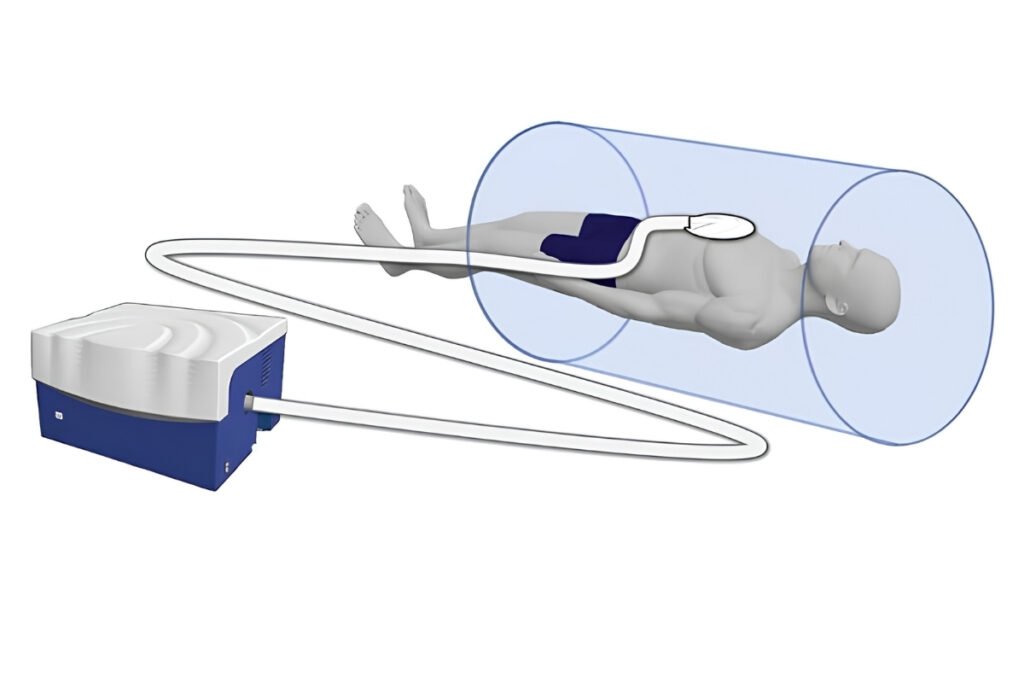
MRE uses MRI technology and controlled vibrations to evaluate the mechanical properties of liver tissue.
Generating Gentle Vibrations
A small device placed against the body produces low-frequency mechanical waves that travel through the liver.
Tracking Tissue Movement
Specialised MRI sequences measure how these waves move through liver tissue.
Calculating Liver Stiffness
The collected information is processed to create a map showing differences in tissue stiffness across the liver.
Estimating Fibrosis
Increased liver stiffness can be associated with liver fibrosis, although stiffness can also be influenced by other conditions and must be interpreted clinically.
What Can MR Elastography Help Determine?
MRE provides quantitative information that can contribute to assessment of liver fibrosis and disease severity.
When Is MR Elastography Recommended?
The test may be considered when measuring liver stiffness can add useful information to the assessment of a liver condition.
- Suspected Liver Fibrosis - It may be used when there is concern about fibrosis that requires further assessment.
- Fatty Liver Disease - MRE can help evaluate fibrosis in patients with metabolic dysfunction-associated steatotic liver disease and related conditions.
- Chronic Viral Hepatitis - It may contribute to fibrosis assessment in patients with chronic hepatitis B or hepatitis C.
- Established Liver Disease - Patients with known chronic liver disease may undergo MRE when assessment of fibrosis or disease progression is clinically relevant.
- Uncertain Fibrosis Stage - MRE can provide additional information when blood tests and other non-invasive assessments do not clearly establish fibrosis severity.
Building a Diagnostic Strategy Around the Liver Stiffness Finding
Understanding the Underlying Liver Condition
The MRE result is interpreted according to the suspected or established cause of liver disease. The same stiffness measurement may have different implications in different clinical settings.
Reviewing Other Non-Invasive Tests
Blood tests, platelet count, ultrasound, FibroScan or other available investigations may provide complementary information about liver health and fibrosis.
Interpreting the MRE Measurement
The liver stiffness value is reviewed along with the quality and technical adequacy of the examination. A numerical result should not be interpreted independently of the clinical context.
Looking for Factors Affecting Stiffness
Inflammation, congestion and other liver conditions can influence liver stiffness apart from fibrosis. These factors are considered when interpreting the result.
Deciding Whether Further Testing Is Needed
If the findings remain uncertain or the clinical picture does not match the MRE result, additional investigations may be required.
Planning Long-Term Monitoring
For patients with chronic liver disease, fibrosis assessment may become part of ongoing follow-up, depending on the underlying condition and disease stage.
The examination is performed as part of an MRI scan and does not involve a needle or surgical incision.

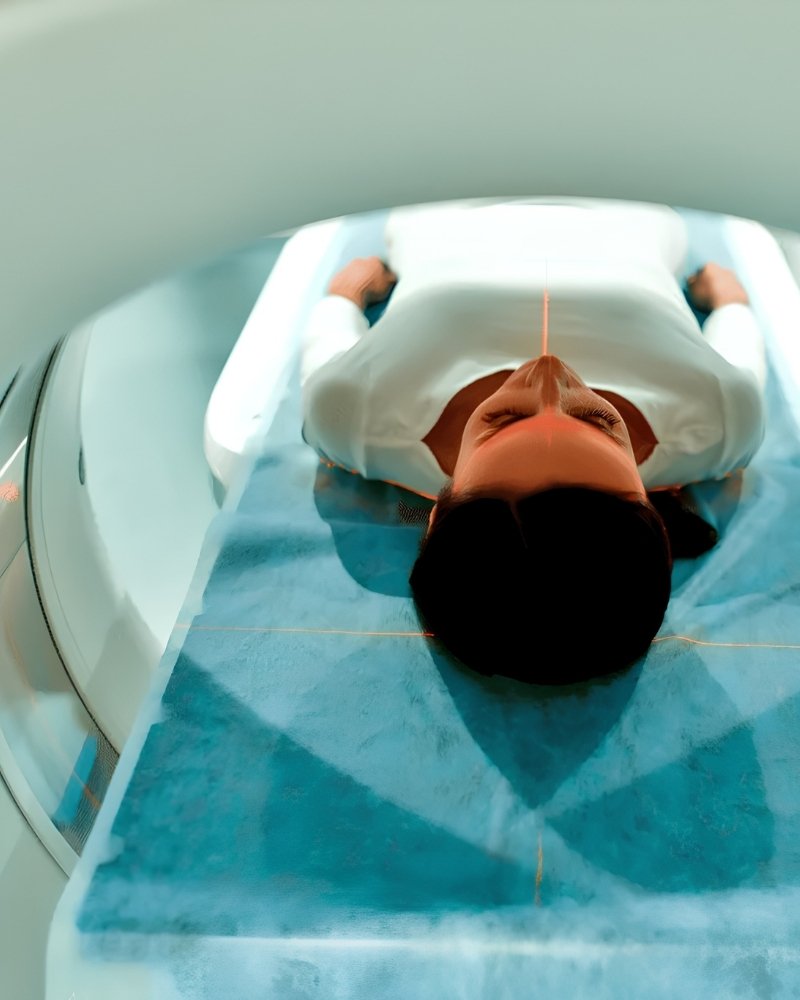
The patient lies on the MRI table while a specialised vibration device is positioned against the upper abdomen.

The device produces gentle vibrations that pass through the liver during the imaging sequence.

The MRI scanner records how the waves move through the liver tissue.

Specialised software converts the wave information into images that represent liver stiffness.
Frequently Asked Questions
Is MR Elastography the same as a FibroScan?
Both are non-invasive methods used to assess liver stiffness, but they use different technologies. FibroScan uses ultrasound-based elastography, while MRE uses MRI with mechanical vibrations. The appropriate test depends on the clinical situation.
Is MR Elastography painful?
No. MRE is a non-invasive imaging examination and does not involve needles or tissue sampling. The vibration device produces gentle movements against the body while MRI images are acquired.
Does MR Elastography diagnose liver cirrhosis?
MRE can provide important information about liver stiffness and fibrosis, but a diagnosis of cirrhosis is based on the complete clinical picture, including examination, blood tests, imaging and other relevant findings.
How long does MR Elastography take?
The duration depends on whether MRE is performed as part of a dedicated liver MRI or a broader MRI examination. The imaging team can provide the expected scan time based on the planned protocol.
Can MR Elastography replace a liver biopsy?
Not in every situation. MRE provides non-invasive information about liver stiffness, while a biopsy allows direct microscopic examination of liver tissue. A biopsy may still be required when specific histological information is clinically important.
How often should MR Elastography be repeated?
There is no single interval that applies to everyone. Repeat testing depends on the underlying liver disease, previous results, treatment and the purpose of monitoring. The timing is decided as part of the overall follow-up plan.
MR Elastography can provide valuable non-invasive information about liver stiffness, but its significance depends on the underlying liver condition and other clinical findings. Dr. Chetan Kalal evaluates MRE results alongside blood tests, imaging and disease history to determine what they mean for the patient’s overall liver health.