
Transjugular Liver Biopsy in Mumbai

Understanding Transjugular Liver Biopsy

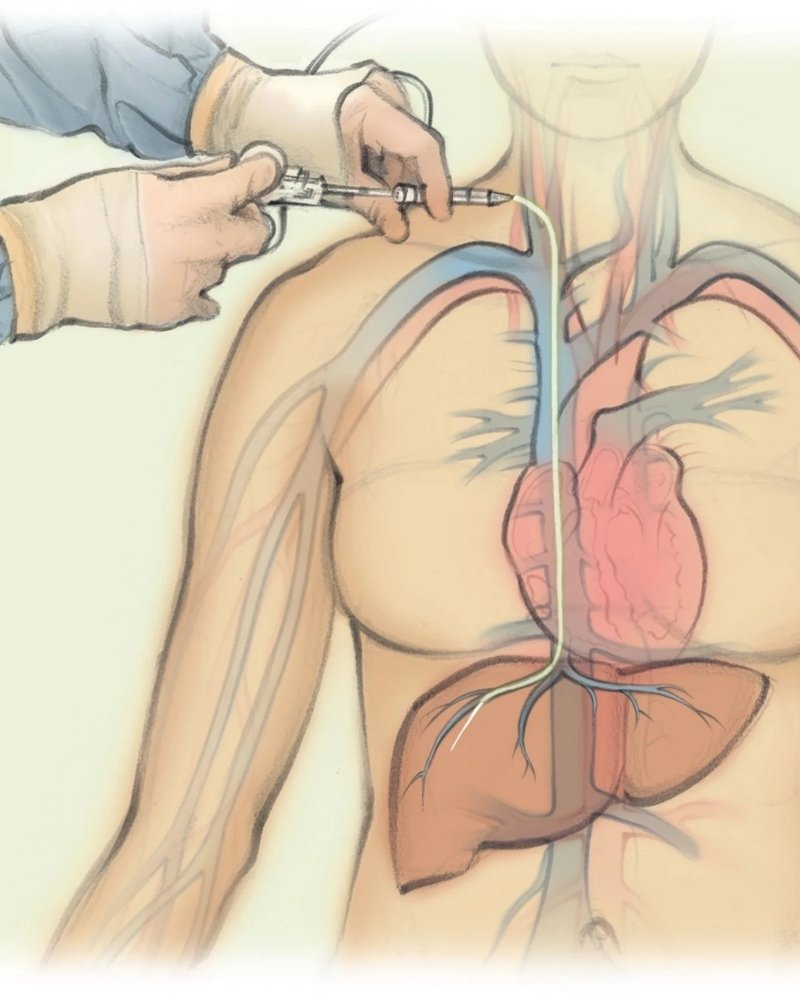
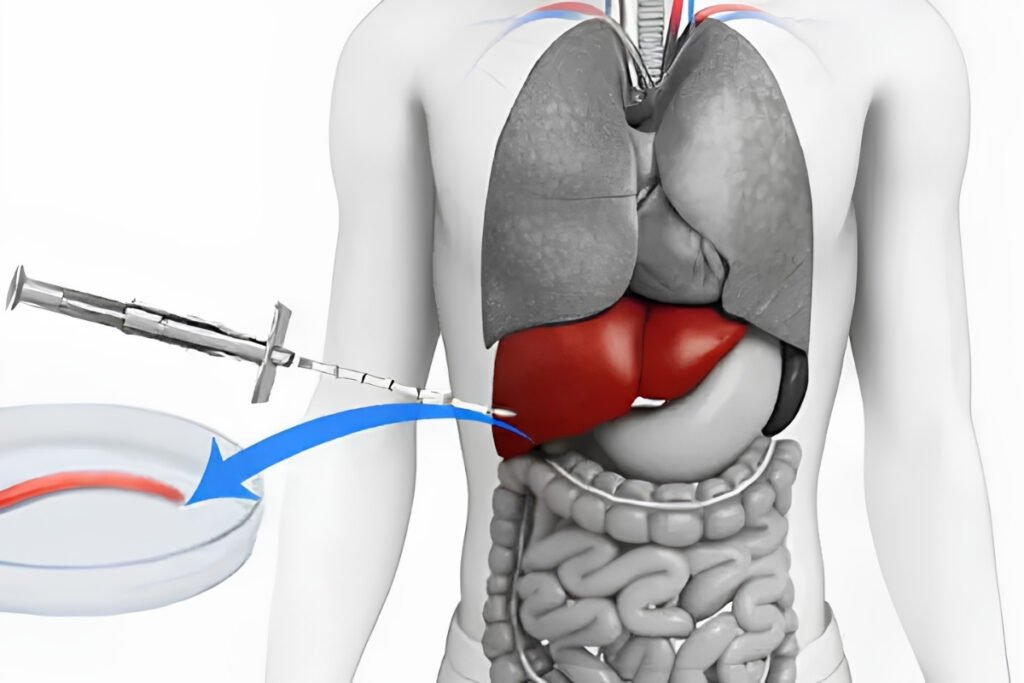
A transjugular liver biopsy is a minimally invasive procedure used to obtain a small sample of liver tissue for microscopic examination. Unlike a conventional liver biopsy, the tissue is collected by passing a thin catheter through the internal jugular vein in the neck and into one of the liver’s veins.

This approach can be particularly useful when a conventional biopsy through the abdominal wall may carry a higher risk, such as in patients with significant clotting abnormalities or fluid accumulation in the abdomen. The biopsy helps doctors understand the underlying liver disease, assess its severity and guide further treatment decisions.

For patients looking for Transjugular Liver Biopsy in Mumbai, the procedure requires careful assessment of liver function, blood clotting, imaging findings and the reason a tissue diagnosis is needed.

Dr. Chetan Kalal: Expertise in Advanced Liver Diagnosis

Dr. Chetan Kalal is a hepatologist with 15+ years of experience in managing complex liver diseases and performing advanced diagnostic and therapeutic procedures. As Maharashtra’s first DM Hepatologist, his clinical approach combines detailed liver assessment with appropriate use of investigations when a tissue diagnosis is required. His training in DM Hepatology from ILBS, New Delhi, under Prof. S. K. Sarin, along with his experience in hepatology and liver transplant care, supports the evaluation of patients with complex liver conditions where transjugular liver biopsy may be considered.

15+ Years of Experience

Expertise in complex liver and digestive disorders.

First DM Hepatologist in Maharashtra

Specialist hepatology training from ILBS, New Delhi.

Liver Transplant Expertise

Experience in advanced liver disease and transplant-related care.

Research & Publications

Published research in national and international medical journals.

Your Transjugular Liver Biopsy Evaluation Starts With the Right Questions

A liver biopsy is recommended only when the information from tissue examination is expected to add meaningful value to the diagnosis or treatment plan. Before the procedure, the clinical history, blood tests and imaging findings are reviewed carefully. The evaluation focuses on:

Reason for Biopsy
Understanding why tissue confirmation is required.

Liver function
Reviewing bilirubin, enzymes, albumin and other relevant parameters.

Clotting Status
Assessing coagulation abnormalities that may influence the biopsy approach.

Platelet Count
Checking platelet levels before an invasive procedure.

Imaging Findings
Reviewing ultrasound, CT or MRI findings of the liver and surrounding vessels.

Overall Condition
Considering ascites, portal hypertension and other factors that may affect procedural planning.
Transjugular Liver Biopsy in Mumbai: Understanding How the Procedure Works

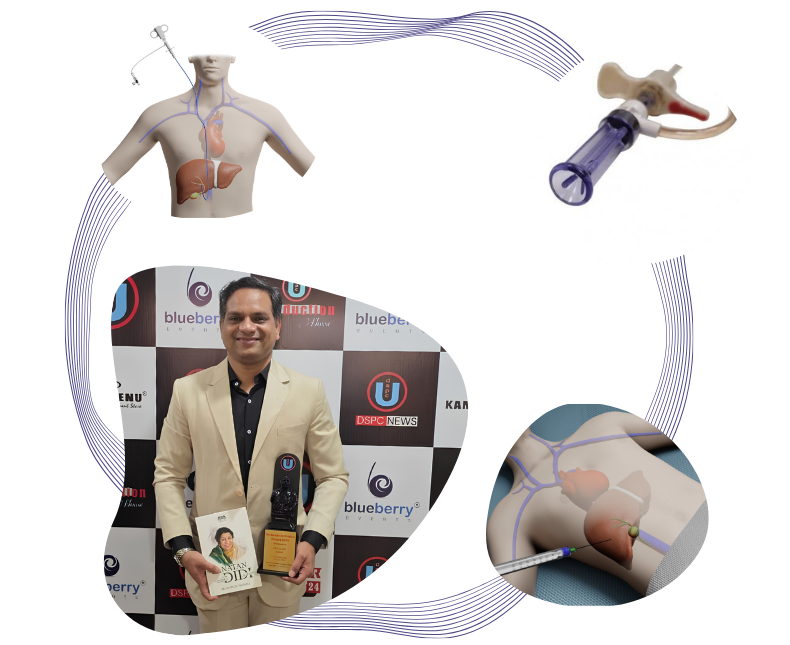
A transjugular biopsy uses the venous system to reach the liver rather than passing a needle directly through the abdominal wall.

  • Access Through the Neck Vein

    A small catheter is introduced through the internal jugular vein, usually on the right side of the neck.

  • Guidance Into the Liver

    Under imaging guidance, the catheter is carefully advanced through the veins into a hepatic vein within the liver.

  • Tissue Sampling

    A specialised biopsy instrument is passed through the catheter to collect small cores of liver tissue for laboratory examination.

  • Controlled Sampling

    The samples are sent for histopathological assessment, which can provide information about inflammation, fibrosis, steatosis and other structural changes.

What Can a Transjugular Liver Biopsy Help Determine?

The biopsy provides microscopic information that may not be available from blood tests or imaging alone.

Extent of Fibrosis

Tissue examination can help determine the degree and pattern of liver scarring.

Treatment Planning

The biopsy findings can contribute to decisions about further investigation, monitoring or treatment when histology is clinically relevant.

Fat Accumulation

The biopsy can demonstrate steatosis and related structural changes within liver tissue.

Unclear Liver Disease

When blood tests and imaging do not establish a clear diagnosis, histological examination may provide additional information.

Active Inflammation

Microscopic assessment can identify inflammatory changes associated with several liver diseases.

Disease Pattern

Certain liver disorders produce characteristic tissue changes that help narrow the diagnosis.

When Should You Seek Specialist for Transjugular Liver Biopsy?

The transjugular approach may be considered when obtaining liver tissue is important but a conventional percutaneous biopsy may not be suitable.

Building a Diagnostic Strategy Around the Biopsy Finding

What Happens During Transjugular Liver Biopsy?

The procedure is performed with imaging guidance and careful monitoring throughout.

Preparing the Access Site

The neck area is cleaned and local anaesthesia is used to numb the access site before the catheter is introduced.

Introducing the Catheter

A small catheter is passed through the internal jugular vein and guided toward a hepatic vein.

Obtaining Liver Tissue

Once the catheter is positioned appropriately, a biopsy device is used to collect small tissue samples from the liver.

Monitoring During the Procedure

The patient’s vital signs are monitored while imaging guidance is used to maintain controlled catheter positioning.

Frequently Asked Questions

The procedure is performed after local anaesthesia is given at the neck access site. Some patients may experience pressure or mild discomfort during the procedure, followed by temporary soreness around the access area.

It may be selected when a percutaneous biopsy is considered less suitable, particularly in situations such as significant clotting abnormalities or ascites. The appropriate route depends on the individual clinical assessment.

The procedure itself is generally completed within a limited period, although the overall hospital visit also includes preparation, monitoring and recovery. The exact duration varies according to the clinical situation.

The tissue must be processed and examined by a pathologist before the final report is available. Timing can vary depending on the tests required and whether additional staining or specialised analysis is needed.

In selected cases, the transjugular route can allow hepatic venous pressure measurements during the same procedure. This can provide additional information when evaluating conditions associated with portal hypertension.

Not necessarily. The decision depends on the reason for biopsy, blood tests, imaging findings, overall liver condition and other medical factors. A hepatologist evaluates these factors before recommending the procedure.

Get Expert Evaluation for Complex Liver Conditions

When a liver biopsy is required, choosing the appropriate biopsy route is an important part of procedural planning. For advanced liver evaluation and Transjugular Liver Biopsy in Mumbai, consult Dr. Chetan Kalal.

Copyright © 2026 DR. CHETAN KALAL | DESIGNED BY EEG TECHNOGEEKS

Scroll to Top