Radiofrequency Ablation in Mumbai
Understanding Radiofrequency Ablation
Radiofrequency Ablation (RFA) is a minimally invasive procedure that uses controlled heat to destroy selected abnormal tissue. In liver care, it is mainly used for selected liver tumours, particularly small hepatocellular carcinomas (HCC), when surgical removal is not appropriate or when local tumour treatment is preferred.
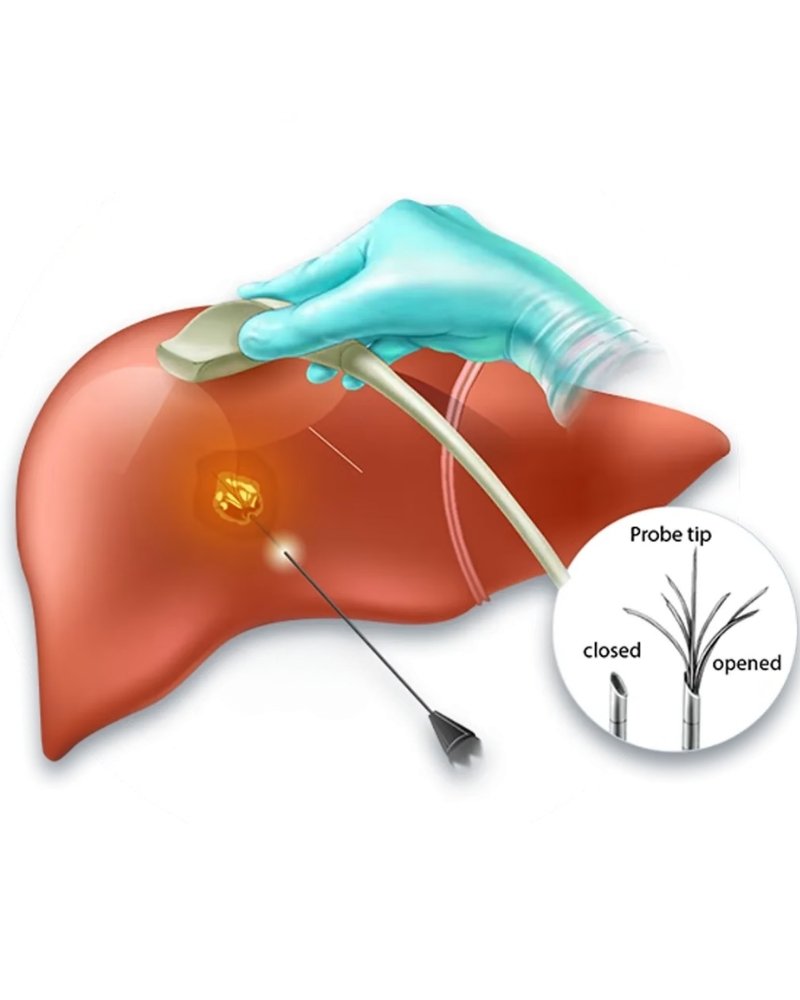
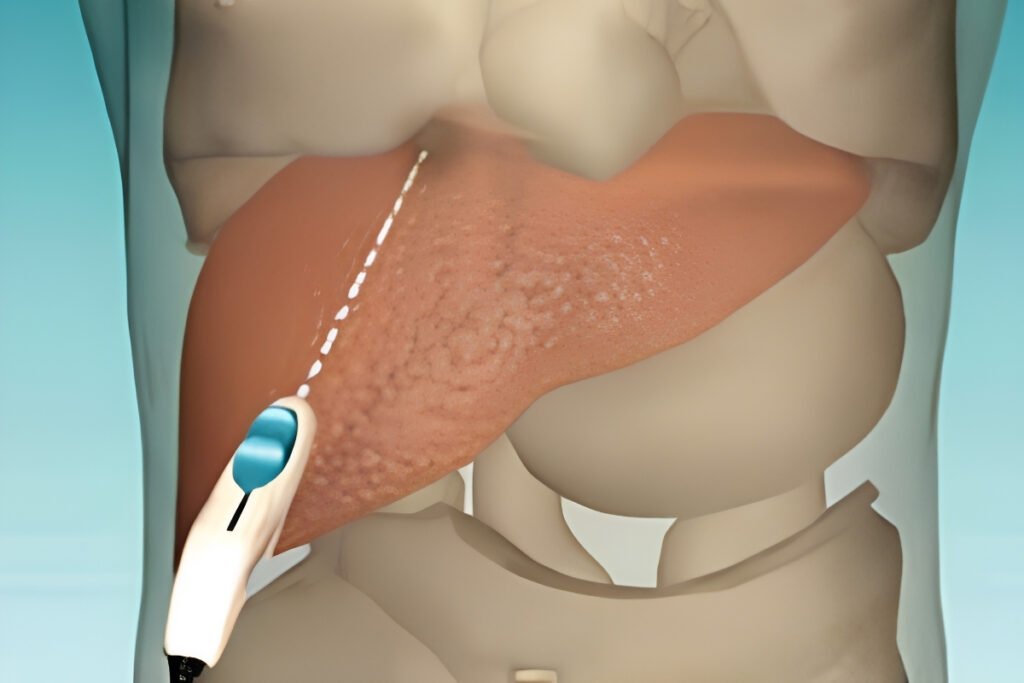
During the procedure, a thin needle-like electrode is guided into the tumour, usually with ultrasound or CT imaging. Radiofrequency energy is then delivered through the electrode, producing heat that destroys the targeted tumour tissue.
For patients seeking Radiofrequency Ablation in Mumbai, Dr. Chetan Kalal provides specialist hepatology evaluation to determine whether RFA is suitable and how it fits into the overall liver cancer treatment plan.
Dr. Chetan Kalal: Expertise in Radio Frequency Ablation
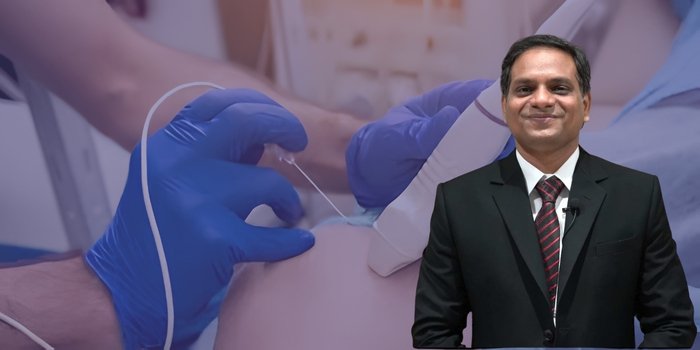
Dr. Chetan Kalal is a DM Hepatologist with 15+ years of experience managing complex liver disorders, including cirrhosis, liver cancer and transplant-related care. Recognised as Maharashtra’s first DM Hepatologist, he trained in Hepatology at ILBS, New Delhi, under Prof. S. K. Sarin. His experience in advanced liver disease helps assess tumour characteristics, liver function and the suitability of local treatments such as radiofrequency ablation.

15+ Years of Experience
Extensive experience managing complex liver and digestive disorders.
First DM Hepatologist in Maharashtra
Advanced specialist training in hepatology from ILBS, New Delhi.
Liver Cancer Expertise
Experience evaluating hepatocellular carcinoma and advanced liver disease.
Liver Transplant Expertise
Experience assessing patients for transplant-based treatment pathways
Your RFA Evaluation Starts With Understanding the Tumour
RFA is most useful for carefully selected tumours. Before recommending ablation, the tumour and the condition of the remaining liver are assessed together. The evaluation focuses on:






Radiofrequency Ablation in Mumbai: How the Procedure Works
RFA uses controlled thermal energy to destroy tumour cells while limiting treatment to the targeted area.
Imaging Guidance
Ultrasound or CT imaging is used to locate the tumour and plan the safest needle path.
Electrode Placement
A thin electrode is carefully introduced through the skin and positioned within the tumour.
Radiofrequency Energy
Radiofrequency energy passes through the electrode and generates heat within the targeted tissue.
Tumour Ablation
The heat raises the tissue temperature sufficiently to destroy the targeted tumour cells.
Treatment Confirmation
Imaging may be used during or after the procedure to assess the treated area and ensure appropriate coverage.
What Can Radiofrequency Ablation Help Achieve?
The role of RFA depends on the tumour characteristics and the patient’s overall liver condition.

When Should You Consider Radiofrequency Ablation?
RFA may be considered when imaging and liver assessment indicate that the tumour can be safely reached and adequately treated. It may be considered for:
- Selected Small HCC - Patients with appropriately located small hepatocellular carcinomas may be suitable for local ablation.
- Surgery Not Suitable - RFA may provide a local treatment option when liver surgery is not appropriate because of tumour location, liver function or other medical factors.
- Limited Tumour Burden - Patients with a small number of appropriately positioned tumours may be evaluated for ablation.
- Residual or Recurrent Tumour - Selected patients may undergo RFA when a small residual or recurrent tumour remains suitable for local treatment.
- Bridge to Transplant - In selected patients awaiting liver transplantation, RFA may help control tumour growth while the patient remains on the transplant pathway.
RFA is planned according to the tumour and the liver’s functional reserve. Imaging and clinical assessment help determine whether complete ablation is achievable.
Contrast-enhanced CT or MRI is evaluated to determine tumour size, location, number and relationship with nearby structures.
The severity of cirrhosis, liver function and portal hypertension are considered before selecting a local ablation treatment.
The safest route to the tumour is identified using imaging, particularly when the lesion is close to major blood vessels or other organs.
The electrode is positioned to create an area of thermal destruction that covers the tumour with an appropriate margin.
Follow-up imaging is used to determine whether viable tumour tissue remains after ablation.
If residual or recurrent tumour is detected, repeat ablation or another treatment such as TACE, TARE, surgery or transplantation may be considered depending on the clinical situation.
What Happens Before and After Radiofrequency Ablation?
Preparation depends on the tumour, the patient’s liver condition and the planned ablation approach.

Before the Procedure
Blood tests, liver function and contrast-enhanced imaging are reviewed to confirm suitability for RFA.

During the Procedure
The patient is positioned appropriately, the electrode is guided into the tumour and radiofrequency energy is delivered.

Immediately After
The patient is monitored for pain, bleeding, fever or other early effects following the procedure.

Follow-Up Imaging
CT or MRI is performed after treatment to assess the ablation zone and identify any remaining viable tumour.
Frequently Asked Questions About RFA
Is radiofrequency ablation a surgery?
RFA is a minimally invasive procedure rather than conventional open surgery. A thin electrode is inserted into the tumour through the skin and radiofrequency energy is used to destroy the targeted tissue.
Is RFA suitable for all liver cancers?
No. RFA is most useful for selected liver tumours, particularly appropriately sized and located HCC. Tumour characteristics and liver function determine whether ablation is suitable.
Is radiofrequency ablation painful?
The procedure is performed with appropriate anaesthesia or sedation to minimise discomfort. Some patients may experience temporary pain or discomfort after the procedure.
Can RFA cure hepatocellular carcinoma?
RFA can provide definitive local treatment for selected small liver tumours when complete ablation is achievable. Whether it is appropriate as the main treatment depends on tumour characteristics and the patient’s overall condition.
How is the response to RFA checked?
Follow-up contrast-enhanced CT or MRI is used to examine the treated area and determine whether any viable tumour remains.
Can RFA be repeated?
Yes. In selected patients, repeat ablation may be considered for residual or recurrent tumour when the lesion remains suitable for local treatment.
If you or a family member has been diagnosed with a small liver tumour or hepatocellular carcinoma, consult a hepatologist to understand whether RFA or another treatment approach may be appropriate.