

Transarterial Radioembolization (TARE) in Mumbai
Understanding TARE
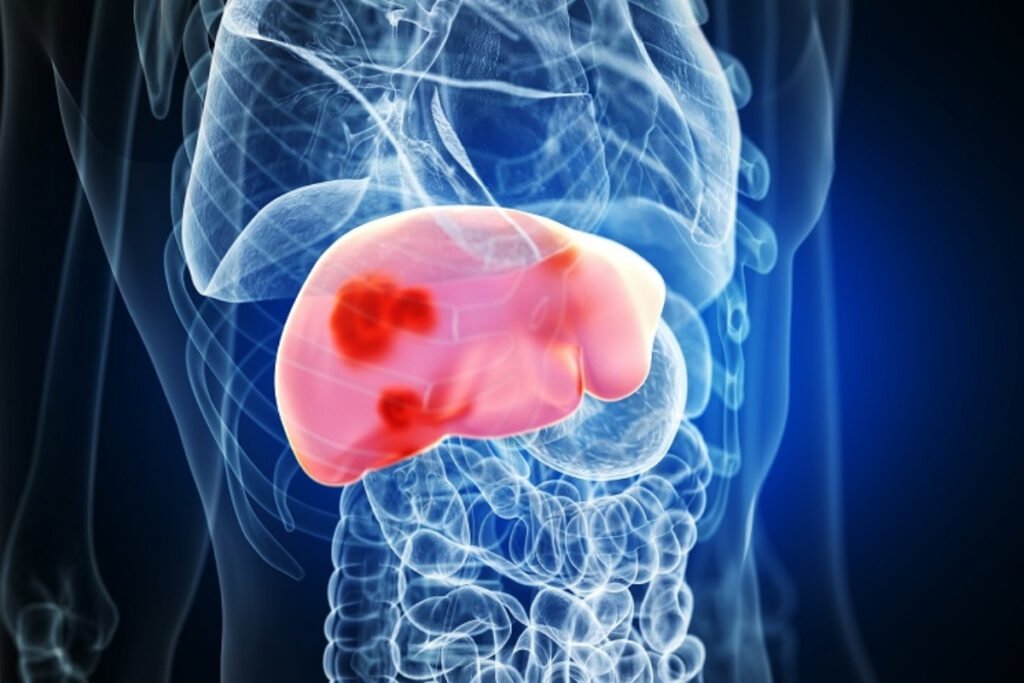
Transarterial Radioembolization (TARE), also known as Selective Internal Radiation Therapy (SIRT), is a minimally invasive treatment used for selected liver tumours. Tiny radioactive microspheres are delivered through the arteries supplying the tumour, allowing radiation to be concentrated within the tumour while limiting exposure to surrounding liver tissue.
TARE may be considered for selected patients with hepatocellular carcinoma or other liver-dominant tumours when surgery, ablation or other treatments are not suitable or when local tumour control is required. The decision depends on tumour size and distribution, liver function, vascular anatomy and the patient’s overall condition.
For patients seeking TARE in Mumbai, Dr. Chetan Kalal provides specialist hepatology assessment to determine whether radioembolization is appropriate and how it fits into the overall liver cancer treatment plan.
Dr. Chetan Kalal: Expertise in Managing Liver Cirrhosis
Dr. Chetan Kalal is a DM Hepatologist with 15+ years of experience managing complex liver disorders, including cirrhosis, liver cancer and transplant-related care. Recognised as Maharashtra’s first DM Hepatologist, he trained in Hepatology at ILBS, New Delhi, under Prof. S. K. Sarin. His experience in advanced liver disease helps assess tumour characteristics, liver function and treatment options when considering locoregional therapies such as TARE.
15+ Years of Experience
Extensive experience managing complex liver and digestive disorders.
First DM Hepatologist in Maharashtra
Advanced specialist training in hepatology from ILBS, New Delhi.
Liver Cancer Expertise
Experience evaluating hepatocellular carcinoma and advanced liver disease.
Liver Transplant Expertise
Experience assessing patients for transplant-based treatment pathways.
Your TARE Evaluation Starts With Understanding the Tumour
TARE is not appropriate for every liver tumour. The treatment decision requires assessment of both the tumour and the liver’s ability to tolerate the procedure. The assessment focuses on:


TARE in Mumbai: How Radioembolization Targets Liver Tumours
TARE delivers radioactive microspheres directly into the arterial blood supply of the tumour. The procedure is performed through a catheter using imaging guidance.
Arterial Access
A thin catheter is introduced through an artery and guided toward the blood vessels supplying the liver.
Vascular Mapping
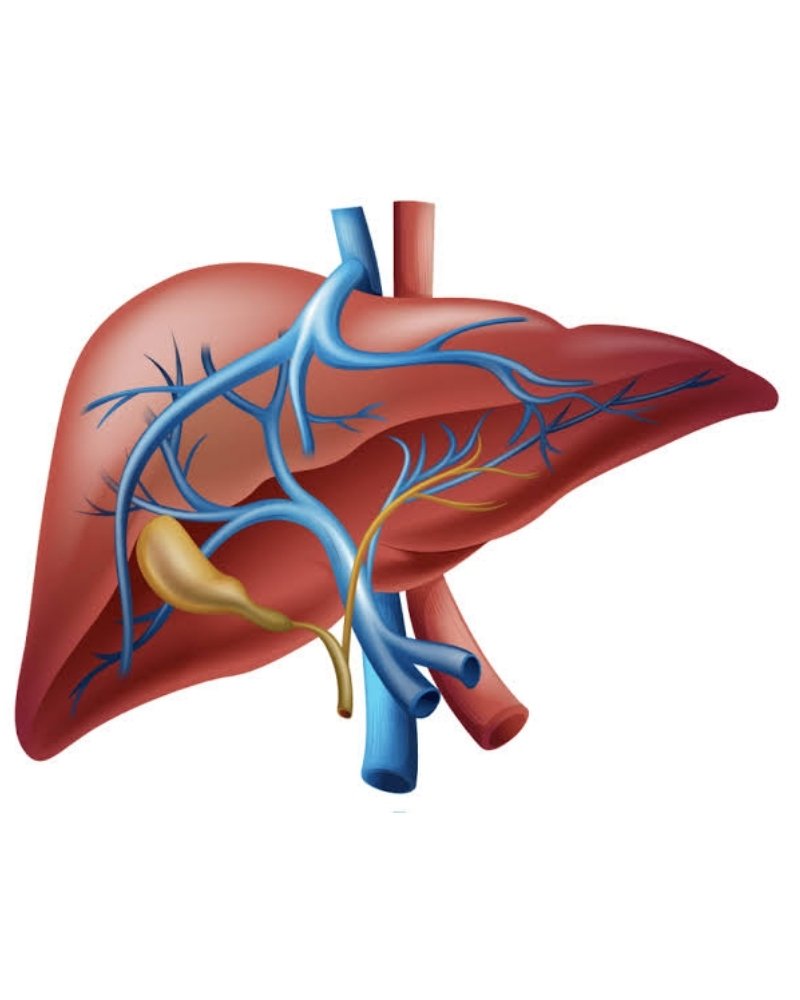
The liver's arterial anatomy is evaluated to identify vessels supplying the tumour and reduce radiation exposure to other organs.
Treatment Planning
A planning procedure is performed to assess blood flow and determine whether the patient is suitable for radioembolization.
Microsphere Delivery
Tiny radioactive microspheres are delivered through the selected hepatic artery branches supplying the tumour.
Targeted Radiation
The microspheres become lodged in small blood vessels around the tumour and deliver radiation locally over time.
What Can TARE Help Achieve?
The purpose of TARE depends on the tumour stage, liver function and overall treatment strategy.
When Should You Consider TARE?
TARE may be considered after detailed imaging, liver assessment and vascular evaluation establish that the treatment is appropriate. It may be considered for:
- Selected Hepatocellular Carcinoma - Patients with appropriate liver-confined or liver-dominant HCC may be considered for radioembolization.
- Unresectable Liver Tumours - TARE may provide a local treatment option when surgery is not feasible.
- Liver-Dominant Tumours - Selected patients with tumours predominantly affecting the liver may be evaluated for radioembolization.
- Potential Downstaging - TARE may be used in selected cases when reducing tumour burden could make another treatment possible.
- Transplant Bridging - Radioembolization may help control tumour progression in selected patients awaiting transplantation.
TARE requires careful planning because treatment involves both the tumour and the normal liver. Imaging, laboratory results and vascular anatomy are assessed before proceeding.
CT or MRI is evaluated to understand tumour size, number, location and distribution within the liver.
Liver function, cirrhosis severity and portal hypertension are considered before determining whether the liver can tolerate radioembolization.
The hepatic arteries are studied to identify the vessels supplying the tumour and plan safe microsphere delivery.
A preliminary mapping procedure helps assess blood flow and identify any vessels that could carry microspheres to organs outside the liver.
The amount of radioactive microspheres is calculated according to the tumour and liver characteristics and the planned treatment area.
Follow-up imaging and clinical assessment are used to determine tumour response and whether further treatment is required.
What Happens Before and After TARE?
TARE involves a planning stage before the actual treatment and requires follow-up after radioembolization.

Before the Procedure
Liver function, kidney function, blood counts and tumour imaging are reviewed before treatment planning.

During Treatment Planning
A catheter-based mapping procedure evaluates the liver's blood supply and helps assess whether microspheres can be delivered safely.

During TARE
The radioactive microspheres are delivered through selected hepatic arteries supplying the tumour.

After the Procedure
The patient is monitored for pain, nausea, fatigue and other early effects before receiving post-treatment instructions.

Frequently Asked Questions About TARE
Is TARE the same as TACE?
No. TACE delivers chemotherapy and embolic material into the tumour’s blood supply, whereas TARE delivers radioactive microspheres that provide local radiation to the tumour.
Can TARE cure liver cancer?
TARE is primarily used for local tumour control, downstaging or bridging in selected patients. Whether it can provide definitive treatment depends on the tumour stage and the overall treatment plan.
Is TARE a surgery?
TARE is a minimally invasive catheter-based procedure rather than conventional open surgery. A catheter is used to deliver radioactive microspheres through the hepatic arteries.
How is a patient prepared for TARE?
Patients undergo imaging, blood tests and a vascular mapping procedure before treatment. This helps determine treatment suitability and plan the safest route for microsphere delivery.
What are the common effects after TARE?
Some patients may experience fatigue, abdominal discomfort, nausea or low-grade fever following treatment. These effects are monitored and managed according to their severity.
How is the response to TARE assessed?
Follow-up imaging and clinical assessment are used to evaluate tumour response, liver function and whether additional treatment is required.
If you or a family member has been diagnosed with liver cancer, consult a hepatologist to understand whether TARE or another treatment approach may be appropriate.