
Transarterial Chemoembolization (TACE) in Mumbai
Understanding TACE
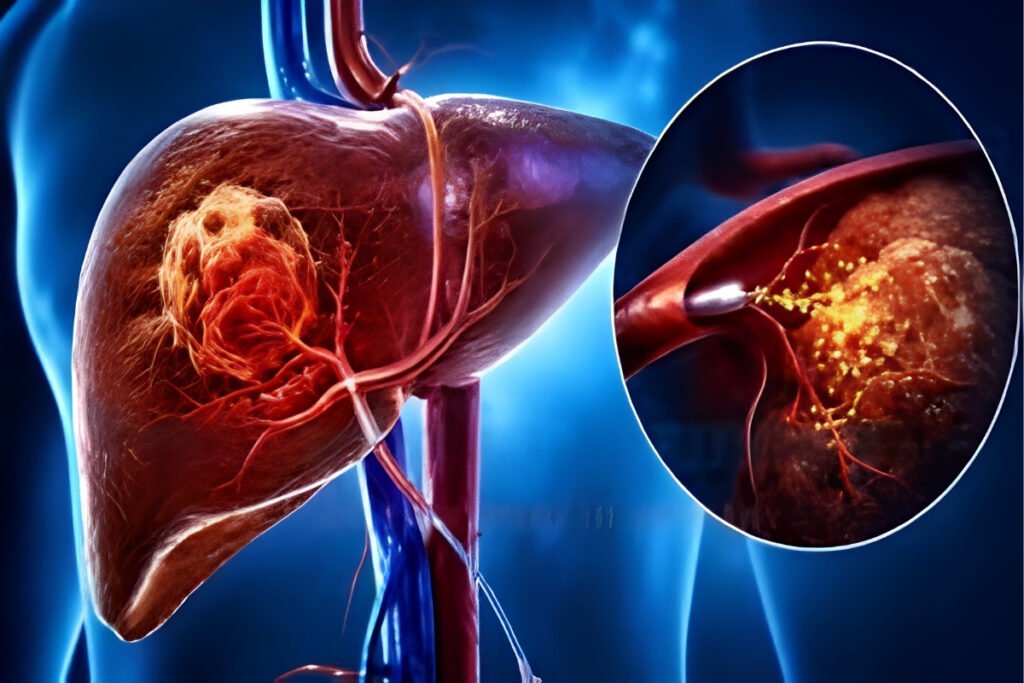
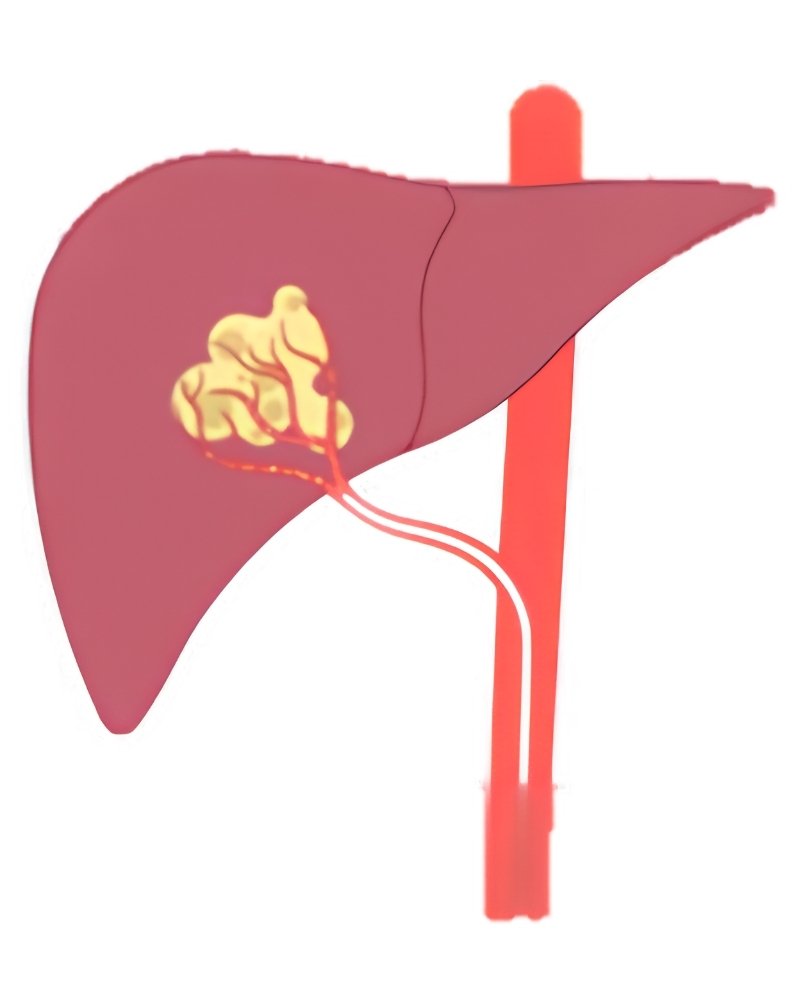
Transarterial Chemoembolization (TACE) is a minimally invasive procedure used to treat selected liver tumours, particularly hepatocellular carcinoma (HCC). It delivers chemotherapy directly into the blood vessels supplying the tumour and then blocks those vessels to reduce the tumour’s blood supply.
TACE may be considered when a liver tumour cannot be treated with surgery or ablation, or when it is being used as part of a broader treatment strategy. The suitability of TACE depends on the tumour’s size, number and location, liver function, portal vein status and the patient’s overall condition.
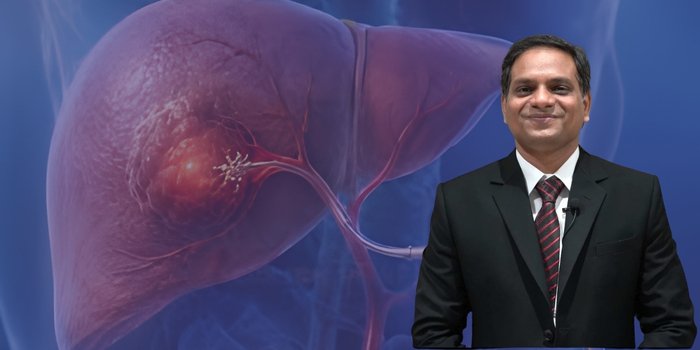
For patients seeking TACE in Mumbai, Dr. Chetan Kalal provides specialist hepatology evaluation to determine whether TACE is appropriate and how it fits into the overall management of liver cancer.
Dr. Chetan Kalal: Expertise in Liver Cancer Management
Dr. Chetan Kalal is a DM Hepatologist with 15+ years of experience managing complex liver conditions, including cirrhosis, liver cancer and transplant-related care. Recognised as Maharashtra’s first DM Hepatologist, he trained in Hepatology at ILBS, New Delhi, under Prof. S. K. Sarin. His experience in advanced liver disease helps assess tumour characteristics alongside liver function when determining the appropriate treatment pathway.
15+ Years of Experience
Extensive experience managing complex liver and digestive disorders.
First DM Hepatologist in Maharashtra
Advanced specialist training in hepatology from ILBS, New Delhi.
Liver Cancer Expertise
Experience evaluating hepatocellular carcinoma and advanced liver disease.
Liver Transplant Expertise
Experience assessing patients who may require transplant-based treatment.
Your TACE Evaluation Starts With Understanding the Tumour
TACE is not suitable for every liver tumour. Before considering the procedure, the tumour and the remaining liver function need to be evaluated together. The assessment focuses on:


TACE in Mumbai: How the Procedure Targets the Tumour
TACE works by delivering treatment through the arteries that supply the liver tumour. The procedure is performed by an interventional radiology team using imaging guidance.
Arterial Access
A thin catheter is introduced through an artery, commonly through the groin or wrist, and guided toward the blood vessels supplying the liver.
Tumour Vessel Identification
Imaging is used to identify the specific arterial branches supplying the tumour.
Chemotherapy Delivery
A concentrated chemotherapy agent is delivered directly into the tumour's blood supply.
Embolization
Embolic material is then used to reduce or block blood flow to the tumour.
Post-Procedure Monitoring
The patient is monitored for pain, fever, nausea and changes in liver function following the procedure.
What Can TACE Help Achieve?
The objective of TACE depends on the tumour stage and the overall treatment plan.
When Should You Consider TACE?
TACE is generally considered after detailed imaging and liver assessment have established that the procedure is appropriate. It may be considered when there is:
- Unresectable Liver Cancer - The tumour cannot be safely removed through conventional liver surgery based on its characteristics or the patient's condition.
- Selected Hepatocellular Carcinoma - Patients with certain liver-confined HCC patterns may benefit from locoregional treatment.
- Tumour Burden Requiring Local Control - TACE may be used when reducing or controlling tumour activity within the liver is an important treatment goal.
- Potential for Downstaging - Selected patients may undergo TACE when reducing tumour size or burden could make another treatment option possible.
- Transplant Bridging - TACE may help control tumour growth in selected patients while they await liver transplantation.
TACE is planned according to both the tumour and the condition of the remaining liver. Treatment decisions are usually made after reviewing imaging, liver function and the patient’s overall clinical status.
Contrast-enhanced CT or MRI is evaluated to understand tumour size, number, location and arterial blood supply.
Liver function and the presence of cirrhosis or portal hypertension are important when determining whether the liver can tolerate the procedure.
The interventional team identifies the arteries supplying the tumour so that treatment can be directed as selectively as possible.
Depending on the disease stage, TACE may form part of a treatment plan that includes ablation, surgery, systemic therapy or transplantation.
Follow-up imaging is used to determine how the tumour has responded and whether additional treatment is required.
Some patients may require more than one session when the tumour continues to show viable areas and the liver remains suitable for further treatment.
What Happens Before and After TACE?
TACE requires planning and monitoring because both the tumour and the underlying liver disease influence how the patient responds.

Before the Procedure
Blood tests, liver function, kidney function and tumour imaging are reviewed before treatment.

During the Procedure
A catheter is guided through the arterial system to the vessels supplying the tumour, where chemotherapy and embolic material are delivered.

Immediately After
The patient is monitored for pain, nausea, fever, bleeding and changes in liver function.

Follow-Up Imaging
CT or MRI is generally used after treatment to assess whether viable tumour tissue remains.

Frequently Asked Questions About TACE
Is TACE a surgery?
TACE is not conventional open surgery. It is a minimally invasive catheter-based procedure performed through an artery using imaging guidance to deliver treatment directly to the tumour’s blood supply.
Can TACE cure liver cancer?
TACE is primarily used for tumour control, downstaging or bridging in selected patients. Whether it can provide definitive treatment depends on the tumour stage and whether other treatments such as transplantation or surgery are possible.
Is TACE used for all liver cancers?
No. TACE is mainly used for selected patients with hepatocellular carcinoma and other appropriately selected liver tumours. Suitability depends on tumour characteristics and liver function.
How many TACE sessions are required?
There is no fixed number of sessions. Further treatment depends on the tumour’s response, remaining viable tumour and the condition of the liver after the initial procedure.
What are the common effects after TACE?
Some patients experience abdominal pain, nausea, fever or fatigue after the procedure. These effects are monitored and managed according to their severity and the patient’s overall condition.
How is the response to TACE assessed?
Follow-up contrast-enhanced CT or MRI is used to assess whether viable tumour tissue remains and to determine whether further treatment is required.
TACE provides a way to deliver treatment directly to selected liver tumours while reducing their arterial blood supply. Its role depends on the tumour pattern, liver function and the overall treatment strategy, including whether surgery, ablation or transplantation may be appropriate.