
Ileo-Colonoscopy in Mumbai

Understanding Ileo-Colonoscopy

Ileo-colonoscopy is an endoscopic examination of the large intestine (colon) and the terminal ileum, the last part of the small intestine. A thin flexible camera is passed through the rectum to examine the lining of the colon and, when possible, the terminal ileum.

The procedure can help investigate persistent abdominal pain, changes in bowel habits, blood in the stool, unexplained diarrhoea, anaemia and suspected inflammatory bowel disease. Small tissue samples can also be taken during the procedure when further microscopic examination is required.

For patients seeking Ileo-Colonoscopy in Mumbai, Dr. Chetan Kalal provides specialist evaluation to determine when the procedure is appropriate and how the findings should guide further investigation or treatment.

Ileo-Colonoscopy in Mumbai

Dr. Chetan Kalal: Expertise in Digestive & Liver Disorders

Expertise in Digestive & Liver Disorders

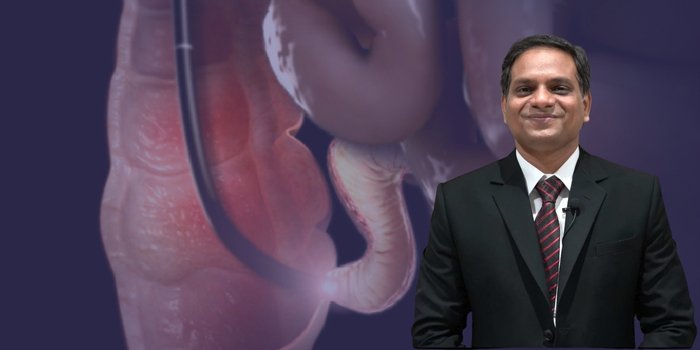
Dr. Chetan Kalal is a DM Hepatologist with 15+ years of experience managing complex liver and digestive disorders. Recognised as Maharashtra’s first DM Hepatologist, he completed his DM Hepatology training at ILBS, New Delhi, under Prof. S. K. Sarin. His experience in gastrointestinal and liver-related conditions helps place endoscopy findings in the context of the patient’s overall clinical condition.

15+ Years of Experience

Extensive experience managing complex liver and digestive disorders.

First DM Hepatologist in Maharashtra

Advanced specialist training in hepatology from ILBS, New Delhi.

Digestive Disorder Expertise

Experience evaluating complex gastrointestinal and liver-related conditions.

26 Peer-Reviewed Publications

Academic contributions across national and international medical journals.

Your Ileo-Colonoscopy Evaluation Starts With Understanding the Reason

Ileo-colonoscopy is recommended when symptoms, laboratory findings or previous investigations suggest that direct examination of the lower digestive tract may provide important information. The assessment focuses on:

Bowel symptoms
Evaluating persistent changes in bowel habits or unexplained digestive complaints.
Gastrointestinal bleeding
Investigating visible blood in stool or certain unexplained blood loss.

Inflammation
Assessing the bowel when inflammatory disease is suspected.

Anaemia
Investigating unexplained iron-deficiency or gastrointestinal blood loss.

Abnormal imaging
Examining areas of concern identified through previous investigations.

Tissue diagnosis
Obtaining biopsies when microscopic examination is clinically required.
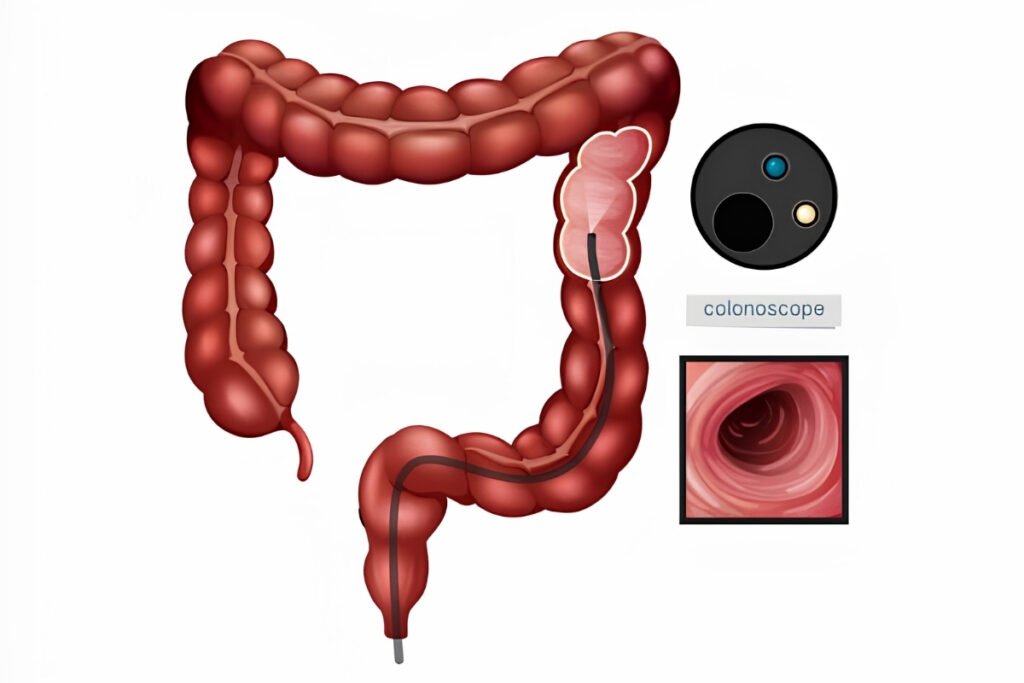
Ileo-Colonoscopy in Mumbai: What the Procedure Examines

The procedure allows direct examination of the colon and terminal ileum using a flexible endoscope.

Ileo-Colonoscopy in Mumbai
  • Rectum and Lower Colon

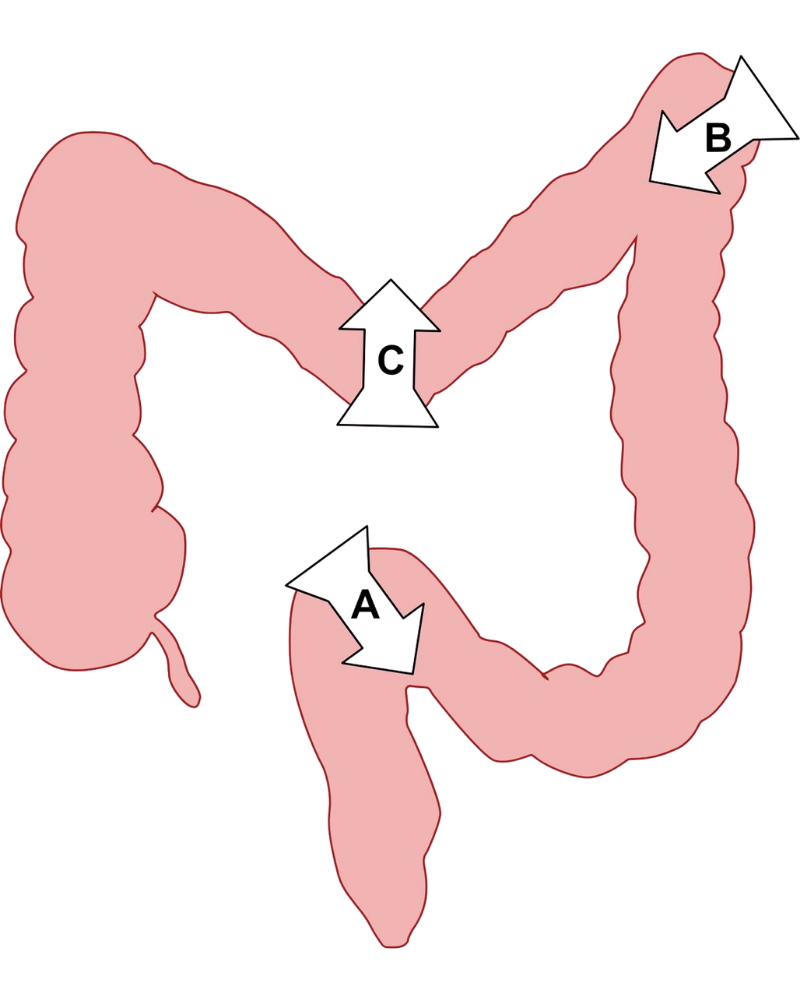
    The examination begins through the rectum and continues through the different sections of the large intestine.

  • Entire Colon

    The lining is examined for inflammation, ulcers, polyps, bleeding sources and other abnormalities.

  • Terminal Ileum

    When technically possible, the endoscope is advanced into the terminal ileum to assess the end of the small intestine.

  • Biopsy Sites

    Small tissue samples may be collected from abnormal or apparently normal areas when microscopic assessment is required.

What Can Ileo-Colonoscopy Help Determine?

Ileo-colonoscopy provides direct visual information about the intestinal lining and allows tissue sampling when required.

Inflammatory Bowel Disease

The examination can identify inflammation, ulcers and other changes associated with conditions such as Crohn's disease and ulcerative colitis.

Colorectal Polyps

Polyps can be identified and, when appropriate, removed or sampled during the procedure.

Gastrointestinal Bleeding

The colon can be examined for possible sources of visible or occult lower gastrointestinal bleeding.

Unexplained Diarrhoea

Colonoscopy with biopsies may help investigate persistent diarrhoea when routine tests have not established a cause.

Ileo-Colonoscopy Specialist

When Should You Consider an Ileo-Colonoscopy?

The procedure may be recommended when symptoms persist or when investigations suggest a condition affecting the colon or terminal ileum. It may be considered for:

Building a Treatment Strategy Around the Endoscopy Findings

The findings from ileo-colonoscopy are interpreted alongside symptoms, blood tests, imaging and biopsy results when tissue has been collected.

What Happens Before and After an Ileo-Colonoscopy?

Good bowel preparation is important because stool remaining in the colon can interfere with examination.

Before the Procedure

The patient receives bowel preparation instructions, and medications and relevant medical conditions are reviewed.

During the Procedure

The colonoscope is gently advanced through the colon, with the bowel lining examined carefully throughout the procedure.

During Biopsy or Treatment

Biopsies may be taken and suitable polyps or other abnormalities may be treated when clinically appropriate.

After the Procedure

The patient is monitored until the effects of sedation, if used, have reduced and receives instructions based on the findings.

Frequently Asked Questions About Ileo Colonoscopy

The procedure is generally well tolerated, particularly when appropriate sedation is used. Temporary bloating or abdominal discomfort may occur after the examination.

The examination itself usually takes a limited amount of time, although bowel preparation, sedation and post-procedure observation increase the total time spent at the facility.

Yes. Small tissue samples can be collected during the procedure when inflammation, microscopic disease or another abnormality needs further examination.

Yes. Many suitable polyps can be removed during the same procedure using appropriate endoscopic techniques, depending on their size, number and appearance.

Yes. Proper bowel preparation is important because a clean colon allows the doctor to examine the lining more clearly and reduces the chance of missing abnormalities.

Patients are observed after the procedure and receive instructions regarding food, medicines and activity. Further treatment or testing depends on the endoscopic and biopsy findings.

When Direct Examination Can Clarify Digestive Symptoms

If you have persistent bowel symptoms, blood in the stool, unexplained anaemia or suspected inflammatory bowel disease, consult a specialist to understand whether ileo-colonoscopy is appropriate.

About

Dr. Chetan Kalal is a DM Hepatologist with 15+ years of experience in managing liver diseases, advanced liver conditions and liver transplant-related care. He currently serves as Associate Director, Hepatology & Liver Transplant at Gleneagles Hospital, Mumbai.

Reach Out To Us

Copyright © 2023 DR. CHETAN KALAL | DESIGNED BY EEG TECHNOGEEKS

Scroll to Top