
Author name: Dr. Chetan Kalal

Hepatitis B Reactivation: Who Is at Risk, How to Prevent It, and Treatment

What is Hepatitis B Reactivation? Hepatitis B reactivation (HBVr) is a sudden increase in HBV replication in a patient with chronic or resolved hepatitis B infection, leading to hepatic inflammation and in severe cases, acute liver failure or ACLF. Reactivation can be spontaneous or triggered by immunosuppressive therapy, chemotherapy, or biologics. Dr. Chetan Kalal at Gleneagles Hospital Mumbai specialises in hepatitis B management including reactivation prophylaxis and treatment of severe reactivation with ACLF. Who Is At Risk? HBsAg-positive patients starting chemotherapy, corticosteroids, TNF inhibitors, IL-6 inhibitors, or JAK inhibitors Anti-HBc-positive (HBsAg-negative) patients receiving rituximab or B-cell depleting therapies — high reactivation risk even without active HBV (occult HBV) Organ transplant recipients on long-term immunosuppression HIV-HBV co-infected patients starting antiretroviral therapy Key principle: Screen ALL patients for HBsAg AND anti-HBc before any immunosuppressive therapy. This is mandatory per APASL, EASL, and AASLD guidelines. Symptoms Jaundice, dark urine, pale stools Fatigue, nausea, right upper quadrant discomfort Elevated ALT/AST (often asymptomatic in early reactivation) Severe: ascites, encephalopathy, coagulopathy — signs of ACLF or acute liver failure Prevention: Antiviral Prophylaxis Tenofovir (TAF or TDF) or entecavir started 1–2 weeks before immunosuppression and continued 6–12 months after cessation dramatically reduces reactivation risk. Lamivudine is no longer recommended for prophylaxis due to high resistance rates. Treatment Immediate antiviral therapy (tenofovir or entecavir) is mandatory on confirmed reactivation. Reduce or stop immunosuppression where feasible. Severe reactivation with ACLF or acute liver failure requires ICU care and urgent liver transplant evaluation. FAQs Can I reactivate if HBsAg is negative? Yes — anti-HBc-positive, HBsAg-negative patients (resolved HBV) can reactivate with rituximab or stem cell transplant. Anti-HBc testing is essential before major immunosuppression. Best antiviral for prophylaxis? Tenofovir alafenamide (TAF) or TDF preferred. High barrier to resistance and proven efficacy. Entecavir is an acceptable alternative. Lamivudine not recommended for prolonged prophylaxis. Hepatitis B specialist in Mumbai? Dr. Chetan Kalal at Gleneagles Hospital Mumbai manages complex hepatitis B cases including reactivation. Teleconsultation available for patients in UK, USA, UAE, and internationally. Author: Dr. Chetan Kalal, Hepatologist, Gleneagles Hospital Mumbai. ORCID: 0000-0002-5284-7890. Hepatitis service page.

Hepatitis B Reactivation: Who Is at Risk, How to Prevent It, and Treatment Read More »
MASLD vs NAFLD: What Changed in 2023, How to Reverse Fatty Liver, and When It Becomes Dangerous

NAFLD is Now Called MASLD In 2023, a multi-society consensus (EASL, AASLD, APASL) officially renamed Non-Alcoholic Fatty Liver Disease (NAFLD) to MASLD — Metabolic dysfunction-Associated Steatotic Liver Disease. NASH is now called MASH (Metabolic dysfunction-Associated Steatohepatitis). The biology is identical; the new name removes the stigmatising label, emphasises metabolic syndrome as the driver, and creates a cleaner taxonomy. How Common is MASLD in India? MASLD is the most common liver disease in India, with prevalence estimated at 25–38% of the adult population. Rising obesity, type 2 diabetes, and sedentary lifestyles are driving a parallel epidemic. Importantly, lean MASLD — fatty liver in non-obese individuals — is especially prevalent in the Indian subcontinent. When Does Fatty Liver Become Dangerous? Simple steatosis (F0–F1): Usually benign; reversible with lifestyle change MASH with early fibrosis (F1–F2): Elevated risk; close monitoring and lifestyle intervention MASH with advanced fibrosis (F3–F4/cirrhosis): High risk of liver failure, portal hypertension, and hepatocellular carcinoma. Annual FibroScan recommended. Can Fatty Liver Be Reversed? Lifestyle modification (first-line): 7–10% body weight reduction resolves MASH in most patients. Mediterranean diet, avoid sugar-sweetened beverages, 150–300 minutes of moderate exercise per week, complete alcohol abstinence. Pharmacological (2024–2025): Semaglutide (GLP-1 agonist): Significant evidence for weight loss and MASH resolution Resmetirom: FDA-approved March 2024 — first approved drug for MASH with fibrosis (F2–F3) Pioglitazone: Useful in type 2 diabetes with MASH FAQs Does fatty liver cause pain? Most MASLD patients have no symptoms. Some have mild right upper quadrant discomfort or fatigue. Significant pain warrants hepatologist evaluation. Can I drink alcohol with fatty liver? No. Alcohol worsens MASLD at any stage and increases fibrosis risk. Complete abstinence is recommended by all current guidelines. How is MASLD diagnosed? Liver ultrasound is the initial test. FibroScan quantifies fat (CAP score) and fibrosis (liver stiffness). Biopsy remains gold standard for definitive staging when non-invasive tests are inconclusive. Author: Dr. Chetan Kalal, Hepatologist, Gleneagles Hospital Mumbai. MASLD service page. ORCID: 0000-0002-5284-7890.

MASLD vs NAFLD: What Changed in 2023, How to Reverse Fatty Liver, and When It Becomes Dangerous Read More »

Liver Transplant in India for NRI Patients from UK, USA, UAE, Canada and Australia: Complete Guide 2025

Why NRI Patients Choose India for Liver Transplant India has become one of the world’s top destinations for liver transplantation — combining internationally trained hepatologists, high-volume centres, and costs that are a fraction of those in the UK, USA, UAE, Canada, or Australia. For NRI patients, Mumbai offers direct international flights, familiar language, family support, and world-class care at centres like Gleneagles Hospital. Dr. Chetan Kalal, the first DM Hepatologist of Maharashtra and liver transplant physician at Gleneagles Hospital Mumbai, coordinates transplant care for patients from the UK, USA, UAE, Gulf (GCC), Canada, Australia, New Zealand, and Africa. Cost Comparison: India vs UK, USA, UAE Country Approximate Cost USA USD 300,000 – 500,000+ UK (private) GBP 150,000 – 250,000 UAE USD 150,000 – 250,000 Canada CAD 200,000 – 350,000 Australia AUD 200,000 – 350,000 India (Mumbai) USD 25,000 – 40,000 Costs vary by centre, donor type, and complexity. Approximate ranges for comparison only. Living Donor vs Deceased Donor LDLT (Living Donor Liver Transplant) is the most common and practical route for international patients. A compatible family member donates approximately 60% of their liver. Both livers regenerate within 6–8 weeks. LDLT avoids the deceased-donor waitlist entirely. How to Arrange a Liver Transplant from Abroad Initial teleconsultation — Send LFT, INR, CBC, creatinine, viral markers, MRI abdomen. Dr. Kalal reviews and advises on transplant indication. Donor evaluation — Blood group, liver volumetry, fitness assessment. Partial workup possible in home country. Travel to Mumbai — Evaluation completed in 5–7 days before listing. Surgery and recovery — ICU 5–7 days; hospital stay 2–3 weeks; return home 4–6 weeks post-transplant. Follow-up — Immunosuppression managed with local physician; teleconsultation with Dr. Kalal. FAQs Can patients from Dubai get a liver transplant in Mumbai? Yes. Mumbai is a 3-hour direct flight from Dubai. Dr. Kalal provides initial teleconsultation before travel. Many Gulf patients choose Mumbai for transplantation. Is the quality comparable to UK or USA? Top Indian centres achieve 1-year survival of 85–90%, comparable to leading Western centres. Surgeons are internationally trained with fellowships from USA, UK, and Germany. What visa is needed? Indian Medical Visa (MED) for the patient and attendant. Gleneagles Hospital provides the required sponsorship letter. Author: Dr. Chetan Kalal, Gleneagles Hospital Mumbai. For international consultation: contact Dr. Kalal. ORCID: 0000-0002-5284-7890.

Liver Transplant in India for NRI Patients from UK, USA, UAE, Canada and Australia: Complete Guide 2025 Read More »

ACLF (Acute-on-Chronic Liver Failure): APASL AARC Guidelines, Grading, and Treatment in India

What is ACLF? Acute-on-Chronic Liver Failure (ACLF) is one of the most severe syndromes in hepatology. The APASL defines it as acute hepatic insult superimposed on chronic liver disease, presenting with jaundice (bilirubin ≥5 mg/dL) and coagulopathy (INR ≥1.5), complicated by ascites and/or encephalopathy within 4 weeks. Dr. Chetan Kalal is a leading ACLF specialist at Gleneagles Hospital Mumbai and has contributed to APASL AARC consensus research. AARC Grading Grade 1 (AARC score 5–7): 28-day mortality approximately 15–20% with optimal medical therapy.Grade 2 (score 8–10): Intermediate mortality; intensive care mandatory.Grade 3 (score 11–15): Mortality exceeds 70% without liver transplantation. Common Precipitants in India Hepatitis B reactivation Alcohol-related liver disease flare Bacterial infections (SBP, pneumonia) Superimposed drug-induced or herbal liver injury Hepatitis E superinfection Treatment Grade 1: Treat the precipitant, nutritional support, lactulose and rifaximin for encephalopathy, prophylactic antibiotics, careful fluid management. Grade 2–3: Immediate tertiary referral. Evaluate for liver transplantation within 7–10 days. Living donor liver transplant (LDLT) is the preferred route in India. FAQs Can ACLF survive without transplant? Grade 1 ACLF can recover with medical management. Grade 2–3 carries high mortality without transplantation. Early AARC scoring and 72-hour reassessment is essential. Best ACLF specialist in Mumbai? Dr. Chetan Kalal at Gleneagles Hospital Mumbai specialises in ACLF management and liver transplant evaluation. Referrals accepted nationally and internationally. Author: Dr. Chetan Kalal, first DM Hepatologist of Maharashtra. ORCID 0000-0002-5284-7890. See also: ACLF service page.

ACLF (Acute-on-Chronic Liver Failure): APASL AARC Guidelines, Grading, and Treatment in India Read More »

ACLF (Acute-on-Chronic Liver Failure): APASL AARC Guidelines, Grading, and Treatment in India

What is ACLF? Acute-on-Chronic Liver Failure (ACLF) is one of the most severe and rapidly fatal syndromes in hepatology. It is defined by the APASL (Asian Pacific Association for the Study of the Liver) as an acute hepatic insult superimposed on a previously diagnosed or undiagnosed chronic liver disease, presenting with jaundice (serum bilirubin ≥5 mg/dL) and coagulopathy (INR ≥1.5), complicated within 4 weeks by clinical ascites and/or encephalopathy in a patient without previous decompensation. Dr. Chetan Kalal is one of India’s foremost experts in ACLF, has co-authored research contributing to the APASL AARC (ACLF Research Consortium) consensus, and manages ACLF cases at Gleneagles Hospital Mumbai. AARC Score and Grading The AARC score (0–15 points) uses six parameters to grade ACLF severity and predict 28-day mortality: Serum bilirubin INR (coagulation) Serum lactate Creatinine Hepatic encephalopathy grade Presence of infection Grade 1 ACLF (AARC score 5–7): 28-day mortality approximately 15–20% with optimal medical therapy. Grade 2 ACLF (AARC score 8–10): Intermediate mortality; intensive care mandatory. Grade 3 ACLF (AARC score 11–15): 28-day mortality exceeds 70% without liver transplantation. Common Precipitants of ACLF in India Hepatitis B reactivation (most common in Asia) Alcohol-related liver disease acute decompensation Bacterial infections — spontaneous bacterial peritonitis (SBP), pneumonia Superimposed drug-induced or herbal-induced liver injury (DILI/HILI) Superimposed hepatitis A or E on chronic liver disease Treatment of ACLF Grade 1: Intensive medical management — treat the precipitant, nutritional support (high-protein diet, BCAA supplementation if encephalopathy), lactulose, rifaximin for encephalopathy, prophylactic antibiotics for infection, and careful fluid management. Grade 2–3: Refer immediately to a tertiary liver centre with ICU and liver transplant capabilities. Evaluate urgently for liver transplantation. The window for transplant is narrow — decisions must be made within 7–10 days of presentation. Liver transplantation is the only definitive treatment for Grade 2–3 ACLF that does not respond to medical therapy. Living donor liver transplant (LDLT) is the preferred route in India given the limited deceased-donor pool. Frequently Asked Questions about ACLF Can ACLF patients survive without a liver transplant? Grade 1 ACLF patients have a meaningful chance of survival with aggressive medical management, particularly if the precipitant is identified and treated early. Grade 2–3 ACLF carries high mortality without transplantation. Early AARC scoring on admission is essential to determine the trajectory and escalate care promptly. How quickly does ACLF progress? ACLF is a rapidly evolving condition. The AARC score should be reassessed at 72 hours and day 7 — an increasing score despite treatment is an indicator to expedite transplant referral. Some patients deteriorate from Grade 1 to Grade 3 within days. Which hospital in Mumbai treats ACLF? Dr. Chetan Kalal at Gleneagles Hospital Mumbai specialises in ACLF management including intensive medical care and liver transplant evaluation for Grade 2–3 ACLF. Referrals from physicians across India and internationally are accepted. Author: Dr. Chetan Kalal — First DM Hepatologist of Maharashtra, AASLD Foundation Award 2016 and 2017. ORCID: 0000-0002-5284-7890. Read more about ACLF treatment at Gleneagles Hospital Mumbai.

ACLF (Acute-on-Chronic Liver Failure): APASL AARC Guidelines, Grading, and Treatment in India Read More »

Liver Transplant in India for NRI Patients from UK, USA, UAE, Canada and Australia: Complete Guide

Why NRI Patients Choose India for Liver Transplant India has emerged as one of the world’s leading destinations for liver transplantation — combining internationally trained hepatologists, high-volume transplant centres, and costs that are a fraction of those in the UK, USA, UAE, Canada, or Australia. For NRI patients (Non-Resident Indians) living abroad, Mumbai offers a particular advantage: familiar language, family support networks, direct international flights, and world-class medical care at Gleneagles Hospital and other premier centres. Dr. Chetan Kalal, the first DM Hepatologist of Maharashtra and a liver transplant physician at Gleneagles Hospital Mumbai, coordinates liver transplant programmes for patients arriving from the UK, USA, UAE, Gulf (GCC), Canada, Australia, New Zealand, and Africa. Cost Comparison: India vs UK, USA, UAE Country Approximate Liver Transplant Cost United States (USA) USD 300,000 – 500,000+ United Kingdom (NHS — waitlist only; private) GBP 150,000 – 250,000 United Arab Emirates (UAE) USD 150,000 – 250,000 Canada CAD 200,000 – 350,000 Australia AUD 200,000 – 350,000 India (Mumbai — premier centre) USD 25,000 – 40,000 Note: Costs vary by centre, donor type, and patient complexity. These are approximate ranges for comparison only. Living Donor vs Deceased Donor Transplant for International Patients Living Donor Liver Transplant (LDLT) is the preferred and most common route for international patients visiting India. A compatible family member (parent, sibling, child, spouse) donates approximately 60% of their liver, which is transplanted into the recipient. Both livers regenerate to near-full size within 6–8 weeks. LDLT avoids the deceased-donor waitlist entirely. Deceased Donor Liver Transplant (DDLT) is available via the ZTCC Maharashtra waitlist but involves waiting periods that are impractical for international patients visiting specifically for transplantation. DDLT is more suitable for patients who are Mumbai residents. How to Arrange a Liver Transplant in Mumbai from Abroad Initial teleconsultation — Send blood reports (LFT, INR, CBC, creatinine, viral markers), imaging (MRI abdomen or CT triphasic), and any biopsy reports. Dr. Kalal reviews and advises whether transplant is indicated. Donor evaluation — The proposed living donor undergoes blood group, liver volumetry, and fitness assessment. This can be partially done in the home country. Travel to Mumbai — Patient and donor travel together. Most evaluations are completed in 5–7 days before listing. Surgery and recovery — ICU stay typically 5–7 days; hospital stay 2–3 weeks. Most patients return home 4–6 weeks post-transplant. Follow-up — Immunosuppression management can be coordinated with a local physician back home, with teleconsultation follow-up with Dr. Kalal. Frequently Asked Questions Can patients from Dubai get a liver transplant in Mumbai? Yes. Mumbai is a 3-hour direct flight from Dubai. Many patients from the UAE, Saudi Arabia, Kuwait, and other Gulf countries receive liver transplants at Gleneagles Hospital Mumbai. Dr. Chetan Kalal provides initial teleconsultation before the patient travels. What documents are needed for international patients? Passport, medical visa (Indian Medical Visa — MED), sponsor letter from the hospital, all medical records, and proof of relationship with the living donor. Gleneagles Hospital Mumbai has an international patient services team that assists with documentation. Is the quality of liver transplant in India comparable to the UK or USA? India’s top liver transplant centres perform thousands of transplants annually with 1-year survival rates of 85–90%, comparable to leading Western centres. Indian surgeons and hepatologists at premier centres are internationally trained, many holding fellowships from the USA, UK, and Germany. Author: Dr. Chetan Kalal — Hepatologist and Liver Transplant Physician, Gleneagles Hospital Mumbai. ORCID: 0000-0002-5284-7890. For international consultation: Contact Dr. Kalal.

Liver Transplant in India for NRI Patients from UK, USA, UAE, Canada and Australia: Complete Guide Read More »

MASLD vs NAFLD: What Changed in 2023, How to Reverse Fatty Liver, and When It Becomes Dangerous

NAFLD is Now Called MASLD — Here is What Changed and Why In 2023, the global hepatology community officially renamed Non-Alcoholic Fatty Liver Disease (NAFLD) to MASLD — Metabolic dysfunction-Associated Steatotic Liver Disease. The rename followed a multi-society consensus (EASL, AASLD, ALEH, APASL) and reflects a more precise understanding of the disease. Key changes in terminology: NAFLD → MASLD (Metabolic dysfunction-Associated Steatotic Liver Disease) NASH → MASH (Metabolic dysfunction-Associated Steatohepatitis) NAFLD cirrhosis → MASH cirrhosis The biology is identical. The new name removes the stigmatising “non-alcoholic” label, emphasises the role of metabolic syndrome (obesity, type 2 diabetes, hypertension, dyslipidaemia), and creates a clearer taxonomy for patients who have both metabolic liver disease and some alcohol use. How Common is MASLD in India? MASLD is the most common liver disease in India, with prevalence estimated at 25–38% of the adult population based on ultrasound-based surveys. The rising rates of obesity, type 2 diabetes, and sedentary lifestyles are driving a parallel epidemic of fatty liver disease. Importantly, MASLD affects non-obese individuals too — so-called “lean MASLD” — which is particularly prevalent in the Indian subcontinent. When Does Fatty Liver Become Dangerous? Most patients with MASLD have simple steatosis (fat accumulation without inflammation) and do not progress to serious liver disease. The danger lies in progression to MASH with fibrosis: Simple steatosis (F0–F1): Usually benign; reversible with lifestyle modification MASH without significant fibrosis (F1–F2): Mildly elevated risk; lifestyle change and close monitoring MASH with advanced fibrosis (F3–F4/cirrhosis): High risk of liver failure, portal hypertension, and hepatocellular carcinoma (HCC). Approximately 10–20% of patients with F3 fibrosis develop cirrhosis over 10 years. Annual FibroScan (transient elastography) is recommended for all MASLD patients to track fibrosis progression without repeated liver biopsies. Can Fatty Liver Be Reversed? Yes — with the right approach: Lifestyle modification (first-line, most evidence): A 7–10% reduction in body weight resolves MASH in most patients and reduces fibrosis by at least one stage in many Mediterranean diet: high in vegetables, legumes, whole grains, olive oil, fish; low in added sugar, refined carbohydrates, and saturated fat Avoid fructose and sugar-sweetened beverages entirely 150–300 minutes of moderate aerobic exercise per week Complete alcohol abstinence Pharmacological options (2024–2025): Semaglutide (GLP-1 agonist): Significant evidence for weight loss and MASH resolution Resmetirom (Rezdiffra): FDA-approved in March 2024 — the first approved drug specifically for MASH with liver fibrosis (F2–F3). Not yet widely available in India. Pioglitazone: Useful in patients with type 2 diabetes and MASH; reduces liver inflammation Vitamin E: Evidence in non-diabetic MASH; limited to specific patient subgroups Frequently Asked Questions Does fatty liver cause pain? Most patients with MASLD/fatty liver have no symptoms. Some experience mild right upper quadrant discomfort or fatigue. Significant pain is unusual in simple steatosis and may indicate complications such as hepatomegaly, MASH with inflammation, or an alternative diagnosis. Any significant abdominal pain warrants evaluation by a hepatologist. Can I drink alcohol if I have fatty liver? No. Alcohol worsens MASLD at any stage. Even moderate alcohol consumption in a patient with metabolic fatty liver increases the risk of progression to MASH and fibrosis. Complete abstinence is strongly recommended by all current guidelines. How is MASLD diagnosed? Liver ultrasound showing increased echogenicity is the standard initial test. FibroScan quantifies liver fat (CAP score) and fibrosis (liver stiffness measurement). Liver biopsy remains the gold standard for definitive diagnosis and fibrosis staging but is reserved for cases where non-invasive tests are inconclusive. Author: Dr. Chetan Kalal — Hepatologist, Gleneagles Hospital Mumbai. MASLD and metabolic liver disease is one of Dr. Kalal’s key clinical areas. Learn more about MASLD management at Gleneagles Hospital Mumbai. ORCID: 0000-0002-5284-7890.

MASLD vs NAFLD: What Changed in 2023, How to Reverse Fatty Liver, and When It Becomes Dangerous Read More »

World Liver Day 2026

World Liver Day 2026 | “Solid Habits, Strong Liver” Your Liver Isn’t Failing Suddenly. It’s Being Damaged Daily.Most people don’t “get” liver disease. They grow into it—quietly, predictably, and often preventably. As a clinician, I rarely meet patients at the beginning of their liver problem. I meet them years later—when the disease has already progressed, when fatigue has become normal, when reports have been ignored, and when “it’s nothing serious” has quietly turned into something that is. The uncomfortable truth is this: your liver doesn’t fail overnight. It adapts—until it can’t. The Silent Epidemic We’re Ignoring Liver disease today is no longer rare, nor is it confined to alcohol use. The fastest-growing problem is fatty liver linked to lifestyle and metabolism—seen in working professionals, young adults, even people who don’t look “unhealthy.” There are no early warning signs that force you to act.No pain that makes you stop.No dramatic symptoms that demand attention. That silence is not safety. It is delay. The Daily Patterns That Add Up Most liver damage doesn’t come from one bad decision. It comes from repeated, normalized habits: Late-night eating has become routine. But your liver is not designed to process heavy meals at midnight. It is meant to repair and reset. Constant disruption leads to metabolic overload. Sugary “health” drinks—fruit juices, packaged smoothies, even protein beverages—are often perceived as safe. In reality, excess sugar is converted into fat within the liver, contributing directly to fatty liver disease. Frequent painkiller use, often taken casually for headaches or body aches, adds cumulative stress. One tablet is not the problem. Habitual use is. Crash diets and extreme fasting promise rapid weight loss but create metabolic instability. The liver does not respond well to sudden extremes. Physical inactivity, even in those who are not visibly overweight, is enough to drive fat accumulation in the liver over time. Individually, these may seem harmless. Together, they form a pattern the liver cannot indefinitely compensate for. Food Myths vs Liver Reality Public discourse around diet is filled with confusion. Ghee is not the enemy—but excess is.Fruit is not harmful—but fruit juice in large amounts is.Carbohydrates are not the problem—but imbalance is. Your liver does not follow trends. It responds to metabolic load—how much energy comes in, how it is processed, and whether it is used or stored. When intake consistently exceeds need, the excess is stored as fat in liver cells. Over time, this can trigger inflammation and scarring. The issue is rarely a single food. It is the pattern of consumption. When “Fatty Liver” Stops Being Harmless Fatty liver is often dismissed as mild or reversible—and it can be, if addressed early. But there is a point where it progresses: Fat accumulation → inflammation → fibrosis (scarring) → cirrhosis This transition is silent. Patients do not feel fibrosis developing. They do not feel early cirrhosis. By the time symptoms such as swelling, jaundice, or fluid accumulation appear, the disease is already advanced. The real risk lies not in having fatty liver. It lies in ignoring it for years. Alcohol vs Sugar: The Wrong Debate Alcohol is a well-known liver toxin. Its effects are direct and dose-dependent. Sugar, particularly in processed and liquid forms, acts differently—but no less significantly. It drives fat production within the liver and contributes to long-term metabolic injury. The modern risk is not choosing between alcohol or sugar. It is exposure to both, often combined with inactivity. One damages faster. The other affects more people over time. When Should You Seek Medical Advice? Waiting for symptoms is a mistake. Consider evaluation if you have: Persistently abnormal liver tests Fatty liver along with diabetes or excess weight Unexplained fatigue or heaviness Regular alcohol intake with abnormal reports Repeated reassurance without clear explanation “Normal” reports are not always reassuring if trends are ignored.And “mild” abnormalities are not always harmless. What Actually Helps Your Liver There is no miracle diet or quick fix. What works is consistent, sustainable correction: Regular meal timing rather than erratic eating Reducing liquid sugars and processed foods Structured physical activity, not occasional bursts Thoughtful use of medications Periodic, properly interpreted health checks These are not dramatic interventions. But they are effective. A Final Word Your liver does not demand attention. It earns it—slowly, silently, often too late. World Liver Day should not be a reminder of disease. It should be a reminder of responsibility. Because the difference between a healthy liver and a failing one is rarely fate. It is pattern.

World Liver Day 2026 Read More »

Hepatology consultation — Dr. Chetan Kalal, liver specialist, Gleneagles Hospital Mumbai

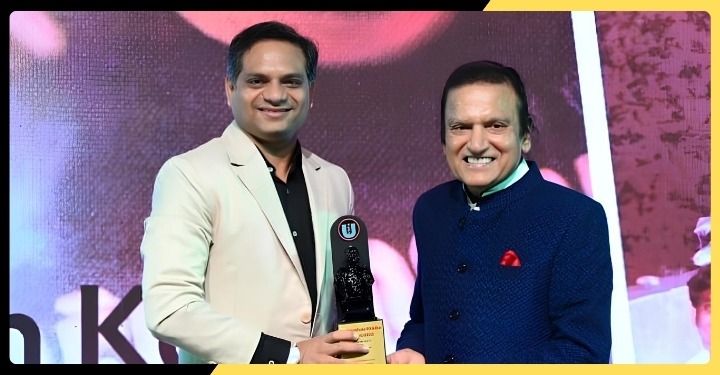
Dr. Chetan Kalal Honored by Dadasaheb Phalke Chitrapat Union; Recognized for Excellence in Hepatology and Liver Care

Dr. Chetan Kalal Honored by Dadasaheb Phalke Chitrapat Union; Recognized for Excellence in Hepatology and Liver Care In a rare convergence of medicine and mainstream recognition, Dr. Chetan Kalal, Consultant Hepatologist at the Institute of Liver Diseases, Mumbai, has been honored by the Dadasaheb Phalke Chitrapat Union in 2025 for his contributions to liver medicine and public health awareness. While traditionally associated with cinematic excellence, the recognition reflects the growing acknowledgment of healthcare professionals whose work significantly impacts society. Academic & Professional Background Dr. Kalal hails from the Khandesh region of Maharashtra and completed his MBBS in Dhule before moving to Mumbai in 2007 to pursue his MD at KEM Hospital. He later obtained his DM in Hepatology from the Institute of Liver and Biliary Sciences (ILBS), New Delhi — becoming Maharashtra’s first DM HepatologistHe has also undergone advanced clinical exposure in the United States and the UnitedKingdom, strengthening his expertise in complex liver disorders and transplant hepatology Clinical Expertise Dr. Kalal manages the full spectrum of liver diseases, including: Metabolic dysfunction-associated steatotic liver disease (MASLD) Alcohol-related liver disease Viral hepatitis (B & C) Cirrhosis and portal hypertension Liver cancer Liver transplant evaluation and pre/post-transplant care His practice emphasizes early fibrosis detection, metabolic risk correction, and evidence-based intervention. Research & International Recognition Dr. Kalal has authored over 40 peer-reviewed scientific publications in national and international medical jourals.He is a two-time recipient of the prestigious American Association for the Study of Liver Diseases (AASLD) Foundation Award, oe of the highest recognitions in global hepatology research.In addition to academic publications, he has actively contributed to international clinical trials aimed at advancing therapies for chronic liver disease. Liver Transplant Landscape in India India performs approximately 5,000 liver transplants annually, with nearly 90% being living donor transplants. When performed at experienced centers and at appropriate clinical timing, urvival rates approach 90–95%.Dr. Kalal emphasizes timely referral, structured evaluation, and multidisciplinary management as key determinants of transplant outcomes. Public Health Advocacy With India witnessing a sharp rise in lifestyle-driven liver disease, Dr. Kalal activelypromotes awareness regarding: Early fibrosis screening Diabetes and fatty liver linkage Alcohol-related liver injury Avoidance o Preventive vaccination for viral hepatitis unsupervised medication use He regularly engages in public education initiatives focused on prevention and early diagnosis. Recognition Beyond Medicine The Dadasaheb Phalke Chitrapat Union honor represents a symbolic acknowledgment of the role physicians play in afeguarding public health. It underscores the intersection of discipline, dedication, and societal impact beyond conventional professional boundaries. From his beginnings in Khandesh to national and international recognition Dr. Chetan Kalal’s career reflects a sustained commitment to clinical excellence, research advancement, and ethical patient care.

Dr. Chetan Kalal Honored by Dadasaheb Phalke Chitrapat Union; Recognized for Excellence in Hepatology and Liver Care Read More »

Hepatology consultation — Dr. Chetan Kalal, liver specialist, Gleneagles Hospital Mumbai

Hold That Bite: Doctor Explains the Post-Workout Mistake That Could Cost You Your Life

Hold That Bite: Doctor Explains the Post-Workout Mistake That Could Cost You Your Life You finish a hard workout. You’re breathing heavily, your heart’s racing, and all you can think about is food. Totally fair. But here’s the thing most people don’t realize — eating immediately after intense exercise isn’t always a great idea. And in rare cases, doctors say it can actually be dangerous. That sounds dramatic, sure. But there’s real biology behind it. “Yes, there is a chance of choking. Immediately after a vigorous exercise, your breathing is shallow and disjointed, your diaphragm is still straining, and your swallowing reflex is not yet well synchronised. Due to the constriction of the body in terms of its attention to oxygen delivery, instead of safe swallowing, food may slip into the airway, which risks choking or aspiration, even in case of small bites,” says Dr Chetan Kalal, Consultant Hepatologist and Transplant Physician at Saifee Hospital.In 2023, a 21-year-old bodybuilder from Tamil Nadu died after choking on a bread slice he ate post-workout. He was preparing for a bodybuilding championship in the under 70 kgs category. Dr Chetan Kalal explains why there is a risk of choking if one eats immediately after a workout.The digestive system is put off temporarily. When you eat right after cessation, the stomach is requested to work without the normalisation of blood flow and nerve signals. Such a mismatch may lead to acidity, stomach cramps, bloating, nausea, vomiting, or dizziness as the body attempts to switch between exercise and digestion,” he explains. Does the type of food I eat after exercise matter for these problems? Dr Chetan Kalal: Yes. There is a greater risk of choking and digestive discomfort immediately after exercise because of heavy, dry, sticky, or even very spicy foods. Massive bites and rapid intakes are also more dangerous. Softer food, food that the digestive system can manage, is safer, although even then one should ideally wait for the breathing system and heart rate to calm down. How long should I wait after exercising before I eat safely? Dr Chetan Kalal: With regard to sudden, intense activity such as sprinting or difficult exercise, it is best to wait 10–20 minutes. This enables your breathing, heart rate and blood flow to return to normal. When you are able to breathe normally and feel calm, then eating will be much safer. Are there any risks to my heart if I eat immediately after intense activity? Dr Chetan Kalal: The risk is not zero in the majority of healthy individuals. Strenuous work has already taken a toll on the heart, and an emergency of digestion may contribute to cardiovascular stress. In individuals with existing heart problems, such sudden change may cause palpitations, light-headedness, or fainting. The cool-down period eliminates this risk. Can drinking water right after heavy exercise also cause problems? Dr Chetan Kalal: Small portions of water are usually harmless and beneficial, but when large portions are taken immediately after intense exercise, then nausea, stomach cramps, or vomiting may occur. Other factors that may contribute to a higher risk of coughing include rapid drinking and hard breathing. Slow, steady sips are best. What’s the safest way to refuel after a sudden burst of intense activity? Dr Chetan Kalal: To begin with, take a breather, walk and get the heart rate down. Begin with little gulps of water. Eat in a calm manner after 10–20 minutes, making small bites and chewing them well. Eat light and easy-to-digest foods first and do not hurry. Refuelling is not competitive or hectic but more leisurely. Medical experts consulted This article includes expert inputs shared with TOI Health by: Dr Chetan Kalal, Consultant Hepatologist and Transplant Physician at Saifee Hospital. Inputs were used to explain why eating immediately after a heavy workout can be a big risk to your life. Do you have any questions you’d like us to ask a doctor? Let us know in the comment box below.

Hold That Bite: Doctor Explains the Post-Workout Mistake That Could Cost You Your Life Read More »

Book AppointmentDr. Chetan Kalal · Hepatologist