

Hepatic Encephalopathy in Mumbai
Understanding Hepatic Encephalopathy
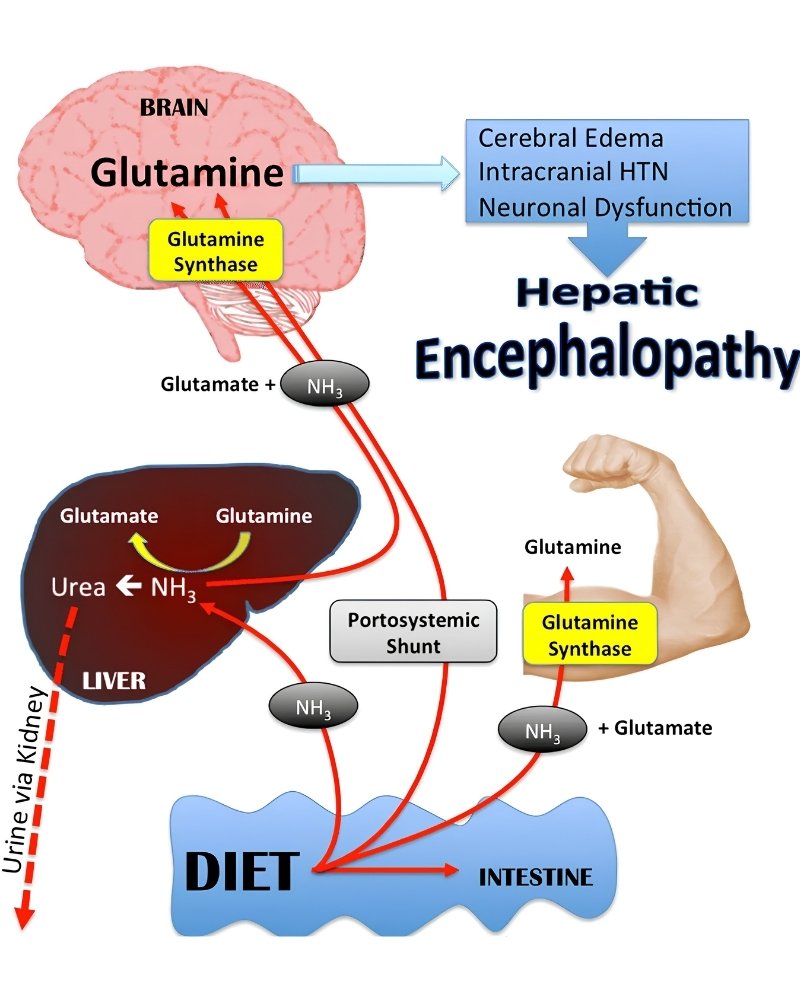
Hepatic encephalopathy is a complication of advanced liver disease in which changes in liver function and blood flow allow certain substances to affect brain function. It can cause changes in concentration, sleep patterns, behaviour, memory, coordination and, in more severe cases, confusion or reduced consciousness.
Episodes can develop suddenly or gradually and are often triggered by another problem such as infection, gastrointestinal bleeding, constipation, dehydration, kidney dysfunction or certain medicines. Identifying and treating the trigger is therefore an important part of managing hepatic encephalopathy.
For patients seeking Hepatic Encephalopathy treatment in Mumbai, Dr. Chetan Kalal provides specialist hepatology assessment to identify the cause of an episode, manage the immediate condition and reduce the risk of recurrence.
Dr. Chetan Kalal: Expertise in Managing Hepatic Encephalopathy
Dr. Chetan Kalal is a DM Hepatologist with 15+ years of experience managing advanced liver disorders, including cirrhosis, liver failure and complications such as hepatic encephalopathy. Recognised as Maharashtra’s first DM Hepatologist, he completed his DM Hepatology training at ILBS, New Delhi, under Prof. S. K. Sarin. His experience in advanced liver disease helps assess both the neurological changes and the underlying liver condition contributing to them.
15+ Years of Experience
Extensive experience managing complex liver and digestive disorders.
First DM Hepatologist in Maharashtra
Advanced specialist training in hepatology from ILBS, New Delhi.
Advanced Liver Disease Expertise
Experience managing complications of cirrhosis and liver failure.
Liver Transplant Expertise
Experience evaluating patients with advanced disease who may require transplant care.
Your Hepatic Encephalopathy Evaluation Starts With Finding the Trigger
An episode of hepatic encephalopathy should not automatically be attributed to liver disease alone. A careful assessment is required to identify factors that may have triggered or worsened the episode. The evaluation focuses on:


Hepatic Encephalopathy in Mumbai: Understanding How It Develops
The liver normally helps remove substances from the blood that can affect the brain. Advanced liver disease and changes in blood flow through the liver can interfere with this process.
Reduced Liver Function
A severely damaged liver may become less effective at processing substances produced in the body.
Altered Blood Flow
Portal hypertension and abnormal blood vessels can allow some blood to bypass the liver before being filtered.
Changes in Brain Function
The resulting changes in the body's internal environment can affect concentration, behaviour, coordination and consciousness.
Precipitating Factors
Infections, bleeding, constipation, dehydration and other disturbances can trigger or worsen an episode.
What Can Hepatic Encephalopathy Look Like?
The severity can vary considerably, from subtle changes that may be noticed by family members to severe confusion and loss of consciousness.
When Should You Seek Urgent Medical Attention?
Changes in mental status in a person with liver disease should be taken seriously, particularly when they develop suddenly. Urgent assessment is important when there is:
- Sudden Confusion- New disorientation or unusual behaviour in a person with known liver disease requires prompt evaluation.
- Severe Drowsiness - Increasing sleepiness or difficulty keeping the person awake may indicate worsening encephalopathy.
- Vomiting Blood - Blood in vomit can indicate gastrointestinal bleeding and may trigger a severe episode.
- Black Stools - Black, tarry stools may indicate upper gastrointestinal bleeding requiring urgent assessment.
- Fever or Infection - Fever or other signs of infection can precipitate or worsen hepatic encephalopathy.
Building a Treatment Strategy Around the Cause and Severity
Treatment involves controlling the current episode, correcting the trigger and preventing further episodes. The approach depends on the severity of encephalopathy and the underlying liver disease.
Identifying the Precipitating Factor
Infection, gastrointestinal bleeding, constipation, dehydration, kidney dysfunction and electrolyte disturbances are actively investigated.
Reducing Toxin Absorption
Medicines such as lactulose may be used to reduce the absorption of substances from the intestine that contribute to encephalopathy.
Using Additional Therapy
Rifaximin may be considered in appropriate patients, particularly when episodes recur despite standard treatment.
Correcting Fluid and Electrolyte Problems
Dehydration, sodium or potassium abnormalities and kidney dysfunction are addressed when they contribute to the episode.
Managing Gastrointestinal Bleeding
If bleeding is identified as a trigger, the source needs to be investigated and treated promptly.
Addressing Advanced Liver Disease
Recurrent or difficult-to-control encephalopathy may indicate significant liver dysfunction and may require assessment for advanced liver disease or transplantation.
Once an episode has been treated, preventing another episode becomes an important part of long-term liver care. It may involve:


Frequently Asked Questions
Can hepatic encephalopathy be reversed?
Many episodes can improve when the underlying trigger is identified and treated promptly. Long-term control also depends on managing the underlying liver disease and preventing factors that can trigger recurrence.
Is hepatic encephalopathy a sign of severe liver disease?
It can indicate significant liver dysfunction, particularly when it occurs in patients with cirrhosis. The severity and recurrence of episodes are important factors when assessing the stage of liver disease.
Can hepatic encephalopathy happen suddenly?
Yes. An episode can develop over a short period, particularly when triggered by infection, gastrointestinal bleeding, constipation, dehydration or another acute problem.
Can hepatic encephalopathy happen without confusion?
Early or mild changes may mainly involve sleep, concentration, coordination or behaviour before obvious confusion develops. Family members may notice these changes before the patient does.
Does every patient with hepatic encephalopathy need a liver transplant?
No. Many episodes can be managed by treating the trigger and controlling the underlying liver disease. Transplant evaluation is considered when liver disease is sufficiently advanced or complications become difficult to control.
Can hepatic encephalopathy come back?
Yes. Recurrence is possible, particularly in advanced liver disease. Identifying previous triggers, following prescribed treatment and monitoring the underlying liver condition can help reduce the risk.
If a person with liver disease develops new confusion, unusual behaviour, excessive sleepiness or other changes in mental status, prompt medical assessment is important.