Promoting heart health through Yoga
Promoting heart health through Yoga Read More »

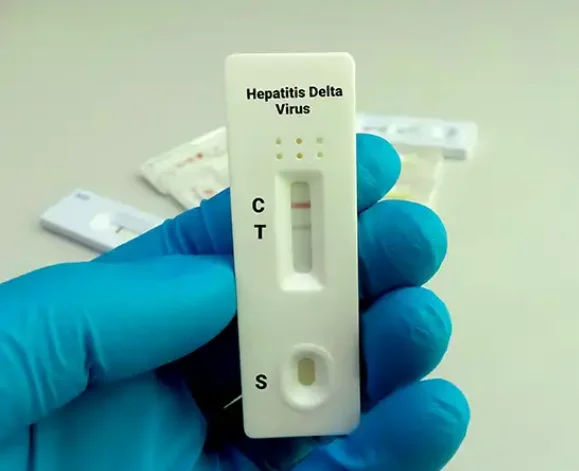
HDV is a defective RNA virus that requires the presence of Hepatitis B virus to replicate and cause infection Written by Adithi PH With quotes from Dr Shiran Shetty (gastroenterologist), Dr Chetan Kalal (hepatologist). HDV can only infect individuals who are already infected with HBV, either through simultaneous co-infection or subsequent superinfection. Hepatitis D Virus (HDV), also known as the Hepatitis Delta Virus, is a unique and serious pathogen that leads to the most severe form of viral hepatitis. Unlike other hepatitis viruses, HDV requires co-infection with the Hepatitis B Virus (HBV) to replicate and infect, resulting in chain of liver complications beginning with liver inflammation, fibrosis (scarring of the liver), which can further result in cirrhosis (severe scarring) and hepatocellular carcinoma (HCC), a type of liver cancer. A 2020 study published in The Lancet Global Health assessed the global prevalence of Hepatitis D. It involved analysing data from over 120,000 individuals across various geographical regions. The results showed that HDV affects an estimated 12 million people globally. This shows the need for improved surveillance and prevention strategies for HDV due to the high risk of its progression to liver cirrhosis and liver cancer. The study says that globally, among the general population the prevalence of HDV is 0.16 %. However, WHO data, mentions that Hepatitis D virus (HDV) affects globally nearly 5% of people who have a chronic infection with hepatitis B virus (HBV). Structural differences between HDV and other hepatitis viruses Dr Shiran Shetty, professor, department of gastroenterology and deputy medical superintendent, Kasturba Hospital, Manipal explains that HDV is distinct from other hepatitis viruses like Hepatitis A, B, C, and E, in its structure and infection process. “Unlike other hepatitis viruses that have their protein coats, HDV is a defective virus that cannot replicate independently. HDV cannot replicate on its own and requires the presence of the hepatitis B virus (HBV) to replicate and cause infection. HBV is a DNA virus that infects the liver,” he said. When it comes to genetic structure, the genome of HDV is a single-stranded circular RNA molecule whereas other hepatitis viruses have different genomic structures. “Hepatitis D virus (HDV) is a defective virus that unlike other hepatitis viruses, does not have its own envelope protein; instead, it utilizes HBV’s envelope proteins for its assembly and secretion,” says Dr Chetan Kalal, Program Director of Liver, Pancreas, and Intestine Transplantation, Nanavati Max Super Specialty Hospital, Mumbai. HDV can only infect individuals who are already infected with HBV, either through simultaneous co-infection or subsequent superinfection. Dr Shetty explains, “co-infections occur when both viruses are acquired at the same time, while superinfection occurs when someone who is already chronically infected with HBV acquires HDV.” In both cases, the severity of liver disease is typically worse than with HBV alone. HDV’s reliance on HBV means it cannot infect or replicate in people who are not infected with HBV. Primary Modes of Transmission In rare cases a person may get infected with HDV even in the absence of HBV infection. Experts explain that the HDV can be transmitted from an HDV infected person to others through means of sexual contact, injection drug use (sharing needles and syringes contaminated with the blood of an HDV-infected person), transmission from mother to child during childbirth, and exposure to contaminated blood or blood products. Dr Kalal adds that people who are already infected with HBV can acquire HDV through exposure to contaminated blood or bodily fluids. Symptoms and disease progression The symptoms of HDV include fatigue, jaundice, abdominal pain, nausea, and joint pain, but experts add that disease progression patterns depend on whether the person is co-infected or superinfected, and the presence of other liver conditions. “HDV can lead to acute hepatitis, fulminant hepatitis, cirrhosis, and liver cancer,” says Dr Shetty. In co-infections, acute hepatitis may resolve without significant complications, but in superinfections, there is a higher risk of progression to chronic liver disease and cirrhosis. “Chronic HDV infection increases the risk of developing cirrhosis, liver decompensation, and hepatocellular carcinoma compared to chronic HBV infection alone,” adds Dr Kalal. Managing and treating HDV “HDV’s dependence on HBV makes it challenging to treat and control as the treatment options for HDV infection are limited,” says Dr Shetty. He adds that while currently there are no approved specific antiviral therapies for HDV infection, management strategies focus on controlling HBV replication, preventing liver damage, and managing complications associated with HDV infection. Some of the recommended treatment options and management strategies according to experts are: Interferon-based therapy: Interferons are lab made proteins used in the treatment against HDV. It is the only treatment with proven efficacy against HDV, but response rates vary among individuals. HBV antiviral therapy: Since HDV requires HBV for its replication, treatment of the latter may indirectly suppress the HDV replication by reducing HBV DNA levels. Liver transplantation: This option may be considered for people with end-stage liver disease. However, HDV can recur in the transplanted liver, and outcomes may be less favorable compared to liver transplantation for other indications. Hepatitis delta virus: Precautions to take Dr Shetty explains that preventing HDV transmission involves similar strategies to those used for preventing other bloodborne infections, like safe injection practices, using contraceptive barriers during sexual intercourse, screening blood and blood products for HDV, and promoting HBV vaccination to prevent HBV infection, which can subsequently prevent HDV infection. However, there is no vaccine against HDV. “Screening high-risk populations, such as individuals with HBV infection or injection drug users, for HDV infection is crucial for early detection and management,” adds Dr Kalal. Takeaways Hepatitis Delta Virus relies on the envelope proteins of Hepatitis B virus to replicate and infect. Transmission occurs mainly through direct exposure to blood or bodily fluids containing the virus. The disease can vary from asymptomatic to severe hepatitis, often progressing rapidly to chronic liver disease. Preventive measures such as HBV vaccination, safe injection practices, and high-risk population screening are crucial. There is no vaccine against HDV. Interferon-based therapy, HBV antiviral therapy, and liver transplantation are some treatment options for HDV.
Decoding hepatitis delta virus Read More »

Cirrhosis isn’t just a fancy word for liver troubles— it’s a serious condition caused by years of damage, often from chronic alcohol abuse or hepatitis. If you’re feeling unusually tired, seeing yellow around the edges (hello, jaundice), or dealing with unexplained bloating, your liver might be sending you a distress signal. Get the lowdown on cirrhosis, and find out how to keep your liver happy by controlling your alcohol intake, getting vaccinated, and sticking to a healthy diet. It’s your liver’s turn for a break! #Cirrhosis #LiverDisease #LiverCare #HealthyLiving #LiverHealthAwareness #LiverWellness #PreventCirrhosis #CirrhosisPrevention
CIRRHOSIS: When Your Liver Wants a Break But You – KEEP GIVING IT OVERTIME Read More »
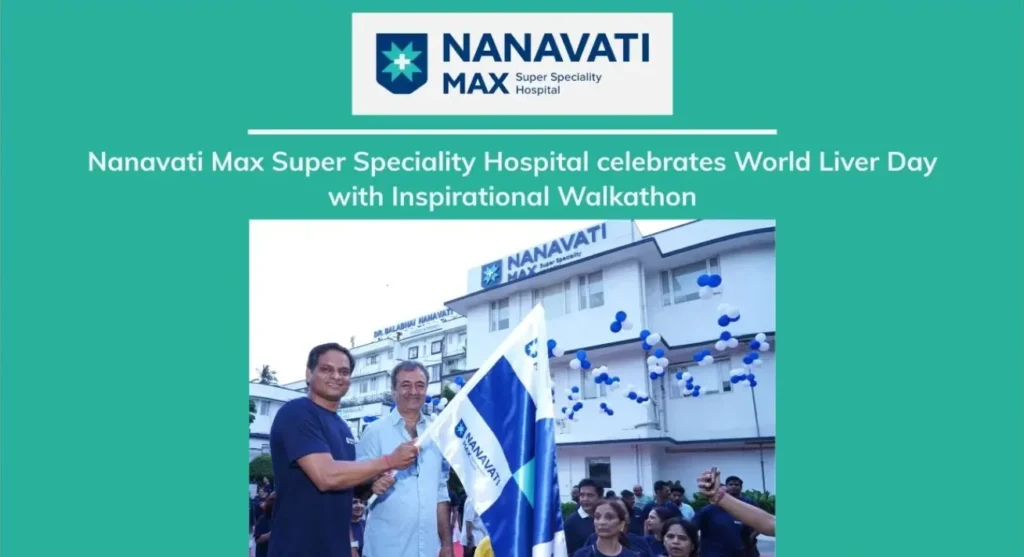
Rajkumar Hirani, celebrated Indian Filmmaker & Mr Abhijat Joshi, Indian screenwriter, film director, producer and editor graced the event as chief guests. On the backdrop of World Liver Day, Nanavati Max Super Speciality Hospital organized a ‘Walk-a-thon,’ to celebrate the remarkable success stories of Liver donors and recipients. The event demonstrated the vitality and normalcy achievable post-liver transplant for both donors and recipients, drawing over 120 healthy donors, recipients and senior members of the community. Mr Rajkumar Hirani, a celebrated Indian Filmmaker and National Film Awardee and Mr Abhijat Joshi, Indian screenwriter, film director, producer and editor graced the event as chief guests. The eminent duo inaugurated the advanced Fibroscan Department of Nanavati Max Hospital alongside Dr Chetan Kalal, Program Director – Hepatology & Transplant Medicine, Dr Anurag Shrimal, Director, Transplant Surgery, Dr Anil Singh, Director – Liver Transplant, Anaesthesia and Critical Care, Dr Vibhor Borkar, Director – Paediatric Hepatology & Gastroenterology & Dr Deepak Patkar, Director – Medical Services. The participants warmed up with a lively Zumba session led by the hospital’s expert physiotherapy team, followed by the official flag off of the Walk-a-thon by the eminent duo; Mr. Rajkumar Hirani and Mr. Abhijat Joshi. Radio personality RJ Sudarshan, from RadioCity 91.1, kept the crowd energized with engaging commentary and health tips throughout the event. Actress Aditi Gautam, known for her roles in ‘Neninthe’ (Telugu) and ‘Sanju,’ (Hindi) graced the donor felicitation ceremony and honored the courageous group of organ donors alongside the doctors of Nanavati Max Institute of Liver, Pancreas and Intestine Transplantation. Speaking on the occasion, Dr Kalal said, “early detection and proactive liver screening are key steps to prevent serious health concerns and ensure long-term wellbeing. We encourage everyone to understand the importance of timely diagnosis and how it can significantly improve the effectiveness of treatment. Let’s prioritize our liver health today for a healthier tomorrow.“

On the backdrop of World Liver Day, Nanavati Max Super Speciality Hospital organized a ‘Walk-a-thon,’ to celebrate the remarkable success stories of Liver donors and recipients. The event demonstrated the vitality and normalcy achievable post-liver transplant for both donors and recipients, drawing over 120 healthy donors, recipients and senior members of the community. Rajkumar Hirani, a celebrated Indian Filmmaker and National Film Awardee and Mr Abhijat Joshi, Indian screenwriter, film director, producer and editor graced the event as chief guests. The eminent duo inaugurated the advanced Fibroscan Department of Nanavati Max Hospital alongside Dr Chetan Kalal, Program Director – Hepatology & Transplant Medicine, Dr Anurag Shrimal, Director, Transplant Surgery, Dr Anil Singh, Director – Liver Transplant, Anaesthesia and Critical Care, Dr Vibhor Borkar, Director – Paediatric Hepatology & Gastroenterology & Dr Deepak Patkar, Director – Medical Services. The participants warmed up with a lively Zumba session led by the hospital’s expert physiotherapy team, followed by the official flag off of the Walk-a-thon by the duo; Rajkumar Hirani and Abhijat Joshi. Radio personality RJ Sudarshan, from RadioCity 91.1, kept the crowd energized with engaging commentary and health tips throughout the event. Actress Aditi Gautam, known for her roles in ‘Neninthe’ (Telugu) and ‘Sanju,’ (Hindi) graced the donor felicitation ceremony and honored the courageous group of organ donors alongside the doctors of Nanavati Max Institute of Liver, Pancreas and Intestine Transplantation. Dr Kalal said, “early detection and proactive liver screening are key steps to prevent serious health concerns and ensure long-term wellbeing. We encourage everyone to understand the importance of timely diagnosis and how it can significantly improve the effectiveness of treatment. Let’s prioritize our liver health today for a healthier tomorrow.”
Nanavati Max Hospital celebrates World Liver Day with walkathon Read More »
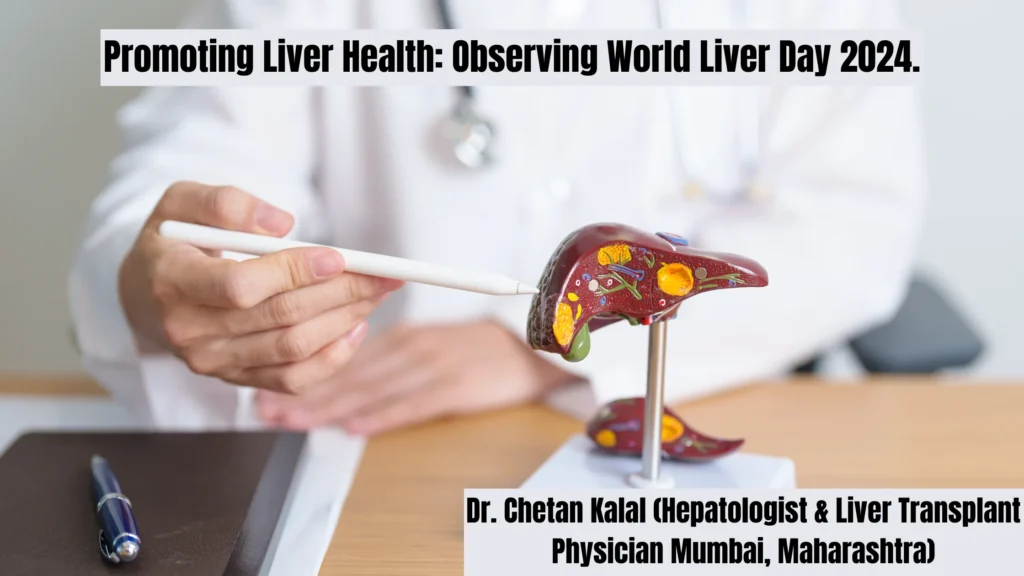
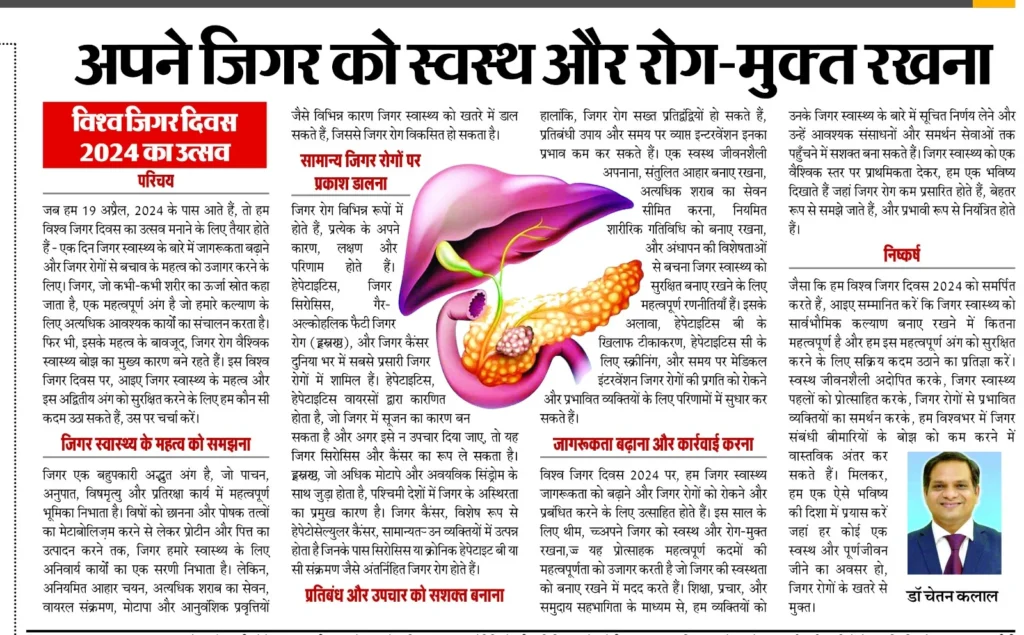
As we approach April 19th, 2024, we prepare to observe World Liver Day—a day dedicated to raising awareness about liver health and the importance of preventive measures against liver diseases. The liver, often referred to as the body’s powerhouse, is a vital organ responsible for a myriad of functions essential for our well-being. Yet, despite its significance, liver diseases continue to pose a significant global health burden. This World Liver Day, let us delve into the importance of liver health and the steps we can take to protect this remarkable organ. Understanding the Significance of Liver Health: The liver is a multitasking marvel, playing a crucial role in digestion, metabolism, detoxification, and immune function. From filtering toxins and metabolizing nutrients to producing proteins and bile, the liver performs an array of vital functions that are indispensable for maintaining our health. However, various factors such as unhealthy diet choices, excessive alcohol consumption, viral infections, obesity, and genetic predispositions can jeopardize liver health, leading to the development of liver diseases. Shining a Light on Common Liver Diseases: Liver diseases come in various forms, each with its own set of causes, symptoms, and consequences. Hepatitis, liver cirrhosis, non-alcoholic fatty liver disease (NAFLD), and liver cancer are among the most prevalent liver conditions worldwide. Hepatitis, caused by hepatitis viruses, can lead to liver inflammation and, if left untreated, progress to liver cirrhosis and cancer. NAFLD, often associated with obesity and metabolic syndrome, is a leading cause of liver dysfunction in Western countries. Liver cancer, particularly hepatocellular carcinoma, typically arises in individuals with underlying liver diseases such as cirrhosis or chronic hepatitis B or C infection. Empowering Prevention and Treatment: While liver diseases can be formidable adversaries, preventive measures and early interventions can mitigate their impact. Adopting a healthy lifestyle, maintaining a balanced diet, limiting alcohol consumption, staying physically active, and avoiding risky behaviors such as injection drug use are key strategies for safeguarding liver health. Additionally, vaccination against hepatitis B, screening for hepatitis C, and timely medical interventions can help prevent the progression of liver diseases and improve outcomes for affected individuals. Raising Awareness and Taking Action: On World Liver Day 2024, let us renew our commitment to promoting liver health awareness and fostering initiatives aimed at preventing and managing liver diseases. Through education, advocacy, and community engagement, we can empower individuals to make informed choices about their liver health and access the necessary resources and support services. By prioritizing liver health on a global scale, we can work towards a future where liver diseases are less prevalent, better understood, and effectively controlled. Conclusion: As we commemorate World Liver Day 2024, let us recognize the significance of liver health in maintaining overall well-being and pledge to take proactive steps to protect this vital organ. By embracing healthy lifestyle habits, advocating for liver health initiatives, and supporting individuals affected by liver diseases, we can make a tangible difference in reducing the burden of liver-related illnesses worldwide. Together, let us strive towards a world where everyone has the opportunity to live a healthy and fulfilling life, free from the threat of liver diseases.