
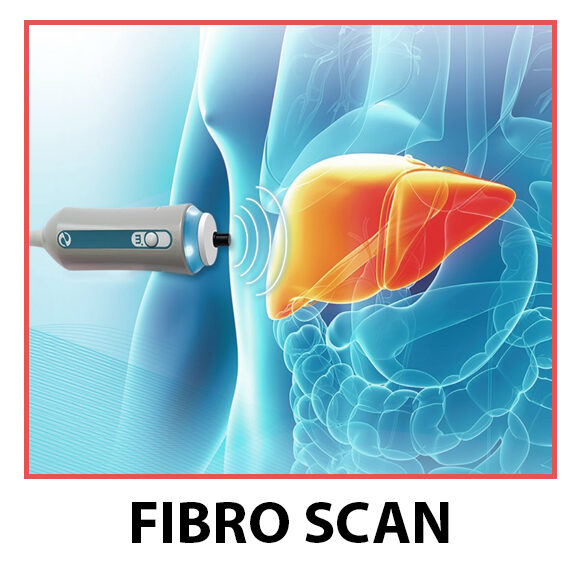
FibroScan is a non-invasive technology used to assess liver fibrosis. It works by sending harmless sound waves through the liver, which measure the speed of their passage and indicate the density of liver tissue. This information can be used to assess how much scarring (fibrosis) has already occurred in the organ. FibroScan is most commonly used in chronic diseases such as hepatitis C, alcoholic cirrhosis, nonalcoholic fatty liver disease (NAFLD), and primary sclerosing cholangitis (PSC). FibroScan results are expressed as a “liver stiffness” measurement between 2-75 kilopascals (kPa), with values greater than 12 kPa indicating increasing degrees of fibrosis or cirrhosis. The test requires no preparation and takes just 5 minutes to perform. It is painless and highly accurate in assessing very mild forms of fibrosis that may not be detected by other imaging technologies such as CT or MRI scans. FibroScan is currently the preferred tool for monitoring changes in fibrosis levels over time, making it an invaluable tool for clinicians who are treating patients with chronic liver diseases . In addition, it can provide early detection of potentially serious conditions like NAFLD before they become more advanced – allowing patients to start treatment earlier and potentially improve their outcome over time.
About the Author
Dr. Chetan Kalal — MBBS, MD (Internal Medicine), DM Hepatology (ILBS, New Delhi) — is the First DM Hepatologist of Maharashtra and Associate Director, Hepatology & Liver Transplant, at Gleneagles Hospital Mumbai. He has 26 peer-reviewed publications and serves on the APASL AARC Expert Panel. Fellow, National Academy of Medical Sciences (FNAMS). Learn more · Book appointment