Uncategorized

Safeguarding Your Liver: Understanding Different Vaccination Courses for Viral Hepatitis

Hello, dear readers! Dr. Chetan Kalal here, your friendly consultant Hepatologist. Today, let’s embark on a journey to explore the vital aspect of liver health – vaccination against viral hepatitis! Our liver is a hardworking organ, and keeping it protected is essential for a happy and healthy life. Let’s dive into the world of vaccination courses for viral hepatitis and discover how they can safeguard our liver! 🏥💪 1. What is Viral Hepatitis? 🤔 🔴 Hepatitis is a group of infectious diseases caused by different hepatitis viruses (A, B, C, D, E). It affects the liver and can lead to serious health issues if not addressed in time. 2. Why Vaccination is Crucial? 🩺 🔴 Vaccination is a powerful tool to prevent viral hepatitis and its complications. It builds immunity against the viruses, reducing the risk of infection. 3. Different Vaccination Courses: 💉 🔴 Hepatitis A Vaccine: Protects against Hepatitis A virus, primarily transmitted through contaminated food or water. Recommended for children and adults traveling to high-risk areas. 🔴 Hepatitis B Vaccine: Provides protection against Hepatitis B virus, transmitted through infected blood, sexual contact, or from mother to baby during childbirth. Administered to newborns and adults at risk. 🔴 Hepatitis A+B Combination Vaccine: Provides dual protection against both Hepatitis A and B viruses, ideal for individuals seeking comprehensive safeguarding. 4. Vaccination Schedule: 🗓️ 🔴 Hepatitis A: Usually a two-dose series, given 6-18 months apart. 🔴 Hepatitis B: Typically a three-dose series, with second and third doses given at specific intervals. 🔴 Combination Vaccines: Number of doses may vary based on the specific brand and schedule. 5. Benefits and Side Effects: ✅⚠️ 🔴 Vaccines are generally safe and effective in preventing viral hepatitis. 🔴 Mild side effects may include soreness at the injection site or mild fever, which usually subside on their own. 6. Importance for India: 🇮🇳 🔴 India bears a significant burden of viral hepatitis. Vaccination can play a crucial role in reducing the disease’s prevalence and improving public health. Conclusion: By getting vaccinated against viral hepatitis, you not only protect yourself but also contribute to a healthier society. Remember, prevention is better than cure! Stay informed, get vaccinated, and let’s work together to safeguard our precious livers! 🌟💚 #LiverHealth #ViralHepatitis #Vaccination #PreventionIsKey #HealthyLiving #ProtectYourLiver #StayInformed #HealthForAll  

Safeguarding Your Liver: Understanding Different Vaccination Courses for Viral Hepatitis Read More »

Understanding Hepatitis: Types, Causes, and Prevention

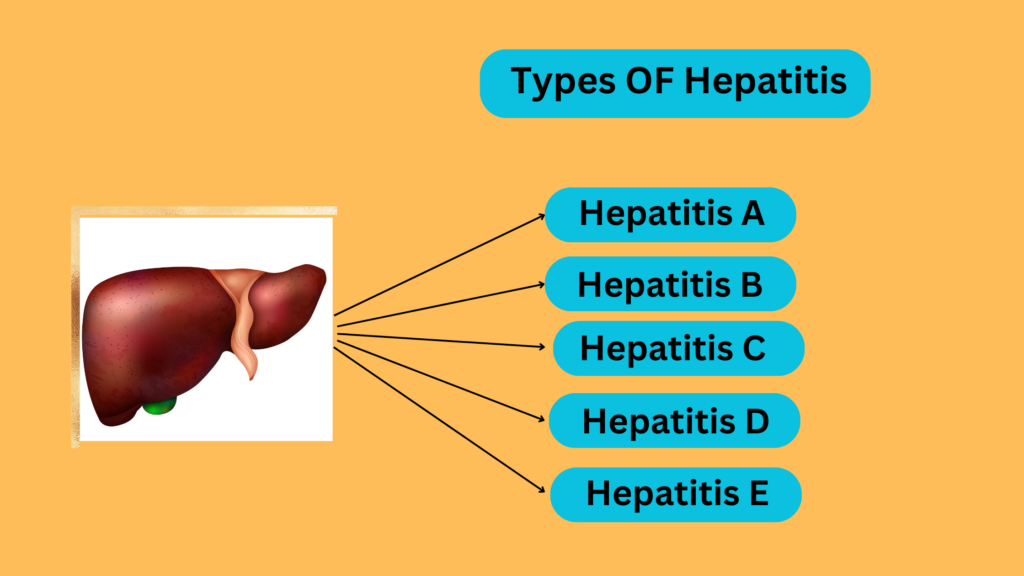
Title: Understanding Hepatitis: Types, Causes, and Prevention Made Simple Hey there, everyone! Today, we’re diving into an essential topic that affects millions of people worldwide: Hepatitis. Now, I know it sounds like a complicated term, but don’t worry – I’m here to break it down in a friendly and easy-to-understand way. So, what exactly is Hepatitis? Hepatitis is a condition that causes inflammation in the liver. Your liver is like a superhero, working hard to process nutrients, remove toxins, and store energy for your body. But when it gets inflamed, it can’t do its job as effectively. Types of Hepatitis: There are three main types of Hepatitis you should know about Hepatitis A, Hepatitis B, and Hepatitis C. 1. Hepatitis A: This type is usually caused by consuming contaminated food or water. It’s like a bad case of food poisoning, but it specifically targets your liver. 2. Hepatitis B: Unlike Hepatitis A, this one is transmitted through blood and bodily fluids, such as during unprotected sex or sharing needles. It’s essential to take precautions to avoid Hepatitis B. 3. Hepatitis C: This type is also transmitted through blood, often through sharing needles or other equipment used for injections. It can lead to chronic liver problems if left untreated. What causes Hepatitis? Different types of Hepatitis have various causes: – Hepatitis A spreads through contaminated food and water. – Hepatitis B and C are mainly transmitted through blood and bodily fluids, as mentioned earlier. Prevention is the key: The good news is that many cases of Hepatitis can be prevented with some simple steps: 1. Vaccination: There are vaccines available for Hepatitis A and B. If you haven’t received them yet, talk to your healthcare provider about getting protected. 2. Practice Safe Sex: If you’re sexually active, using protection like condoms can help prevent the transmission of Hepatitis B and other sexually transmitted infections. 3. Be Cautious with Needles: Avoid sharing needles or any equipment used for injections. If you need medical injections, administer them with sterilized equipment. 4. Hygiene Matters: Washing your hands thoroughly before eating or after using the restroom can significantly reduce the risk of Hepatitis A. 5. Get Tested: If you think you might be at risk or have been exposed to Hepatitis, get tested. Early detection can make a world of difference. Understanding Hepatitis doesn’t have to be daunting. By taking small steps to protect ourselves and staying informed, we can keep our livers and bodies healthy. Remember, your liver is a superhero, and it deserves all the love and care you can give! Stay hep to Hepatitis awareness, and let’s keep our livers smiling together! 😊 If you have any questions or want more information about Hepatitis, feel free to contact me. Take care, everyone! 2. Hepatitis Day: Raising Awareness and Taking Action Title: Hepatitis Day: Raising Awareness and Taking Action – Let’s Make a Difference Together! Hello everyone, Today is a special day as we come together to observe Hepatitis Day! As a social media expert and hepatologist, I’m excited to share valuable insights about this momentous occasion and how we can raise awareness and take action to combat Hepatitis. What is Hepatitis Day? Hepatitis Day is an annual event held on 28 July, dedicated to raising awareness about Hepatitis and its impact on millions of lives worldwide. It’s an opportunity for individuals, communities, and organizations to join forces, educate others, and advocate for better Hepatitis prevention, testing, and treatment. Understanding Hepatitis: Before we delve into the significance of this day, let’s take a quick recap on Hepatitis. It’s an inflammation of the liver that can be caused by viruses (Hepatitis A, B, C, D, and E), alcohol abuse, toxins, or certain medications. Among these, viral Hepatitis is a significant global health concern, affecting approximately 325 million people globally.

Understanding Hepatitis: Types, Causes, and Prevention Read More »

Dr-chetan-kalal-with-their-mentor-Dr-Shiv-Sarin

Celebrating Guru Purnima: Nurturing Your Liver, Nurturing Your Soul!

On the auspicious occasion of Guru Purnima, let us pay homage to our gurus and delve into the significance of nurturing both our souls and our liver. As a Hepatologist, I believe in the deep connection between liver health and overall well-being. Here’s what you need to know: 💚 The Guru Within: Just as a guru guides us on the path of knowledge, our liver acts as a wise teacher for our body, providing essential functions and insights into our health. 💚 The Liver’s Wisdom: The liver plays a vital role in digestion, metabolism, detoxification, and hormone regulation. It is a reservoir of wisdom that supports our physical and mental well-being. 💚 Holistic Approach: Just as a guru nurtures our soul, we must nurture our liver through a holistic approach to health. Here are some key steps: 🌿 Nourish with Nutrients: Consume a balanced diet rich in fruits, vegetables, whole grains, and lean proteins to provide essential nutrients for liver health. 💦 Hydrate Your Body: Stay hydrated with water, herbal teas, and fresh juices to support liver function and flush out toxins. 💤 Rest and Rejuvenate: Prioritize quality sleep to allow your liver to regenerate and restore itself. 🚴‍♀️ Move with Joy: Engage in regular physical activity or yoga to enhance blood circulation and support liver health. 🧘‍♀️ Nurture Your Mind: Practice stress management techniques like meditation and deep breathing to reduce mental and emotional stress on your liver. 💚 Gratitude and Growth: On this Guru Purnima, express gratitude to your liver and commit to its well-being. Let the wisdom of your liver guide you towards a healthier and harmonious life. #GuruPurnima #LiverHealth #HolisticWellness #NurturingSoulAndLiver #Gratitude #HepatologistTips

Celebrating Guru Purnima: Nurturing Your Liver, Nurturing Your Soul! Read More »

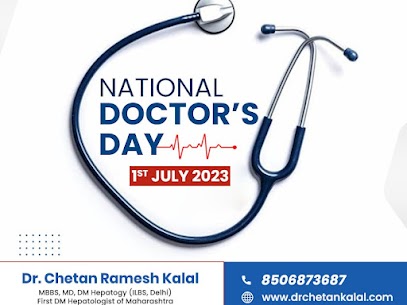
Celebrating Doctor’s Day: Your Liver’s Best Friend!

On this special occasion of Doctor’s Day, let’s take a moment to appreciate the unsung hero of our body – the liver! As a Hepatologist, I cannot stress enough the importance of liver health in ensuring our overall well-being. Here’s why your liver deserves all the love and care: The Mighty Liver: The liver is a powerhouse organ that performs over 500 essential functions, including detoxification, metabolism, and nutrient storage.  Liver and Your Health: A healthy liver is crucial for maintaining digestion, energy levels, and a strong immune system. It also helps in filtering out toxins and harmful substances from your body.  Lifestyle Matters: Unhealthy lifestyle habits like excessive alcohol consumption, smoking, poor diet, and lack of exercise can put stress on your liver, leading to various liver diseases.  Silent Warrior: Liver diseases often develop silently without showing early symptoms. Regular health check-ups and liver function tests are essential for early detection and timely intervention.  Take Charge: You have the power to protect your liver and improve your overall health. Here are some simple steps to get started: Eat a Balanced Diet: Include fruits, vegetables, whole grains, and lean proteins in your meals.  Stay Hydrated: Drink plenty of water to flush out toxins from your body. Get Enough Sleep: Quality sleep helps your liver repair and rejuvenate.  Stay Active: Regular exercise supports liver health and overall well-being.  Limit Alcohol and Smoking: Reduce alcohol intake and quit smoking to lighten the burden on your liver. So, on this Doctor’s Day, let’s pledge to take better care of our liver and show our gratitude to this remarkable organ. Your liver’s well-being is your passport to a healthier and happier life! #DoctorsDay #LiverHealth #HealthyLiving #LoveYourLiver #GratefulToDoctors #HepatologistTips

Celebrating Doctor’s Day: Your Liver’s Best Friend! Read More »

Embrace the Monsoon Magic while Keeping Your Liver Healthy! 🌧️💚

      Introduction: Hey there, fellow monsoon enthusiasts! As we welcome the joyous season of rain-soaked walks, cozy evenings, and heartwarming beverages, it’s important to remember the well-being of our liver. In this blog post, we’ll explore how to enjoy the monsoon to the fullest while taking necessary steps to keep our liver healthy and happy. Let’s dive in and discover the art of responsible enjoyment this monsoon! ☔️🍵💪 Embracing the Monsoon Magic: The monsoon season in India holds a special place in our hearts. Here’s how we can fully enjoy the magic while being mindful of our liver health: 1. Rain-Soaked Walks: ⚡️ Step outside and relish those rain-soaked walks, but remember to avoid puddles and stagnant water, as they may harbor harmful bacteria and viruses. 2. Cozy Evenings: 🌧️ Indulge in cozy evenings at home, sipping on your favorite warm beverages. Opt for herbal teas, ginger-infused drinks, or a cup of antioxidant-rich green tea to support your liver health. 3. Nutritious Monsoon Delights: 🍲 Relish the seasonal delights like soups, steamed snacks, and freshly cooked meals. Opt for light, nutrient-rich foods to support your liver’s detoxification process. 4. Stay Hydrated: 💧 Keep yourself hydrated throughout the day. Sip on water, herbal infusions, or fresh fruit juices to flush out toxins and maintain optimal liver function. 5. Balanced Diet: 🥦 Incorporate a balanced diet with plenty of fruits, vegetables, whole grains, and lean proteins. These provide essential nutrients and antioxidants for overall liver health. 6. Mindful Indulgence: 🍰 Treat yourself to occasional indulgences, but remember to enjoy responsibly. Moderation is the key when it comes to sweets, fried foods, and alcoholic beverages. 7. Personal Hygiene: 🧼 Maintain good personal hygiene by washing your hands frequently, especially before meals, to reduce the risk of infections and protect your liver. 8. Seek Medical Advice: 🩺 If you experience any unusual symptoms, such as fatigue, abdominal discomfort, or jaundice, seek medical advice promptly. Early detection and intervention are crucial for managing liver-related concerns. Spread the Word with Hashtags: Let’s share the message of enjoying the monsoon responsibly while prioritizing liver health. Use these hashtags to join the conversation: #MonsoonMagic #LiverWellness #ResponsibleEnjoyment #HealthyHabits #StayHydrated #IndiaMonsoon Conclusion: The monsoon season brings us immense joy and rejuvenation. By embracing the beauty of rain-soaked walks, cozy evenings, and warm beverages, while being mindful of liver-related risks, we can strike a perfect balance. Let’s savor the monsoon magic responsibly, nourishing our liver and overall well-being. Cheers to a delightful and liver-friendly monsoon season! ☔️🌈💚 Remember, this blog post is for informational purposes only. If you have specific concerns about your liver health, it’s always best to consult a healthcare professional.

Embrace the Monsoon Magic while Keeping Your Liver Healthy! 🌧️💚 Read More »

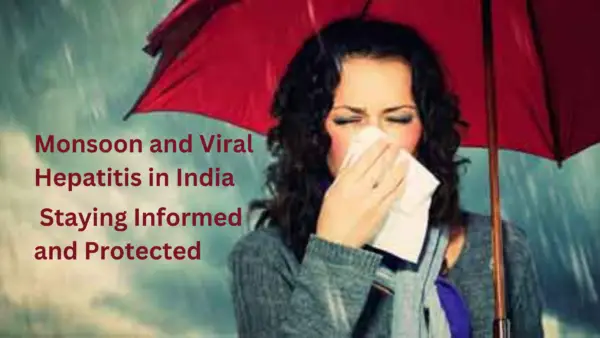
Monsoon and Viral Hepatitis in India: Staying Informed and Protected

Introduction: Hello, wonderful readers! As the monsoon season embraces India, it’s important to shed light on a topic that affects many: viral hepatitis. The combination of monsoon-related factors and the prevalence of viral hepatitis in our country calls for awareness and preventive measures. In this blog post, we’ll explore the connection between viral hepatitis and the monsoon season in India, providing you with valuable insights and practical tips to stay informed and protected. Let’s dive in and empower ourselves for a healthy monsoon! ☔️💪 Understanding Viral Hepatitis: Viral hepatitis refers to the inflammation of the liver caused by viral infections. In India, the most common types of viral hepatitis are Hepatitis A, B, C and E. Let’s take a closer look at how monsoon-related factors can impact the transmission and spread of these infections: 1. Contaminated Water: During the monsoon, water sources can get contaminated due to heavy rainfall and inadequate sanitation, increasing the risk of Hepatitis A and E transmission. 💧🚰 2. Poor Hygiene Practices: Monsoon-related challenges like waterlogging and humidity can contribute to poor hygiene conditions. Lack of proper hand hygiene and consumption of unhygienic food can lead to the spread of Hepatitis A and E. 🧼👐 3. Vector-borne Risks: Mosquito-borne diseases like dengue and malaria are more prevalent during the monsoon. While not directly related to viral hepatitis, these diseases can weaken the immune system, making individuals more susceptible to Hepatitis B and C. 🦟🌿 Prevention is Key: Now that we understand the connection, let’s explore preventive measures to safeguard ourselves and our loved ones from viral hepatitis during the monsoon: 🌟 Drink Safe Water: Ensure you consume clean, filtered water. Boil or purify water from reliable sources before drinking. 🌟 Practice Good Hygiene: Wash your hands thoroughly with soap and clean water before eating or handling food. Avoid eating raw or uncooked food. 🌟 Vaccination: Stay up-to-date with your vaccinations, especially for Hepatitis A and B. Consult your healthcare provider for guidance. 🌟 Maintain a Clean Environment: Prevent water stagnation around your living area to reduce mosquito breeding grounds. 🌟 Seek Medical Advice: If you experience any symptoms like jaundice, fatigue, or abdominal pain, consult a healthcare professional promptly. Spread Awareness with Hashtags: Let’s create a wave of awareness about viral hepatitis during the monsoon in India! Use these hashtags to spread the message: #MonsoonHepatitisAwareness #StaySafeStayHealthy #LiverHealthIndia #MonsoonPreventionTips #HealthyMonsoon Conclusion: As the raindrops fall and the monsoon paints our surroundings with vibrant hues, let’s equip ourselves with knowledge and take preventive measures against viral hepatitis. By staying informed, practicing good hygiene, and seeking timely medical advice, we can protect ourselves and our communities. Let’s embrace the monsoon with joy and prioritize our liver health! ☔️💚 Remember, this blog post is for informational purposes only. If you have specific concerns about viral hepatitis or experience any symptoms, it’s always best to consult a healthcare professional.

Monsoon and Viral Hepatitis in India: Staying Informed and Protected Read More »

DrChetankalalVirat

Virat Kohli: A Global Icon Who Inspires Us Through Triumphs and Tribulations

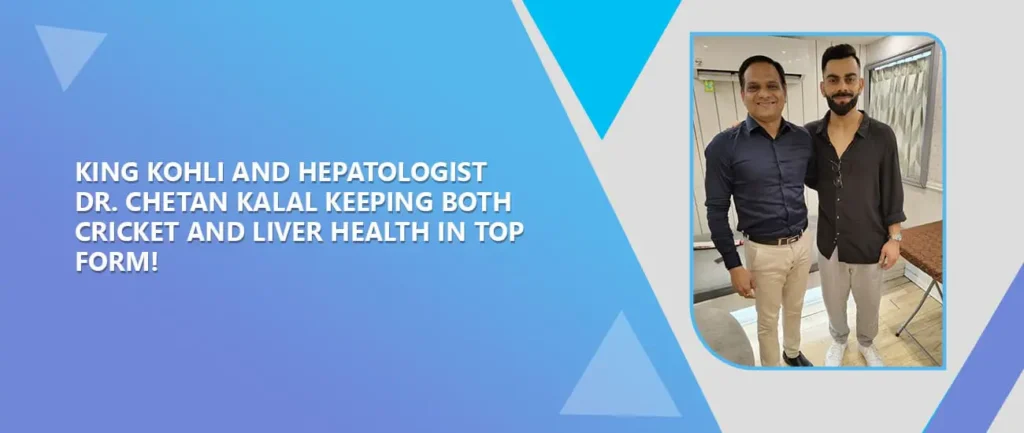
Introduction: Dear Virat Kohli, As an ardent fan, I couldn’t help but feel the heartache of our recent loss in the World Test Championship (WTC) final. However, as I reflect upon our journey together, I am reminded of the immense impact you have had on the cricketing world. Today, I want to express my unwavering support, admiration, and gratitude for your remarkable contributions as a cricketer and as a leader. A Chance Encounter: It feels like just yesterday when destiny brought us together during that chance encounter. I was fortunate enough to meet you before the WTC final, and our brief interaction left an indelible mark on me. Your humility, dedication, and passion for the game were palpable, and it further solidified my belief that you are not just a cricketer but a global icon who inspires millions. Winning and Losing: The Two Sides of a Coin: While the recent loss in the WTC final left us disheartened, let’s not forget that winning and losing are an inevitable part of life. It is through these defeats that we learn the most valuable lessons and grow as individuals. Your ability to gracefully accept both triumphs and tribulations is a testament to your character and resilience. The Consecutive WTC Finals: A Remarkable Feat: Virat, it’s important to acknowledge the tremendous achievement of reaching two consecutive WTC finals. This feat in itself is extraordinary and speaks volumes about your leadership, determination, and unwavering commitment to excellence. Your unwavering drive to succeed and your passion for the game have not only motivated your teammates but also inspired countless fans like myself. Your Invaluable Contribution: Throughout your career, you have consistently displayed unparalleled skill, unwavering discipline, and an insatiable hunger for success. Your ability to adapt, innovate, and lead from the front has had a profound impact on the Indian cricket team. You have pushed boundaries, shattered records, and set new benchmarks that will be cherished for generations to come. Your contribution to the game is invaluable and your legacy is already etched in the annals of cricket history. Rising Above the Loss: As we heal from the recent loss, let’s remember that setbacks are stepping stones to success. It is during these challenging moments that true champions rise. Your determination, mental fortitude, and resilience will undoubtedly guide the team in bouncing back stronger and conquering future challenges. Your unwavering spirit is a beacon of hope for all of us, reminding us that no matter how tough the battle, we can emerge victorious.

Virat Kohli: A Global Icon Who Inspires Us Through Triumphs and Tribulations Read More »

Celebrating International Emergency Medicine Day: Prioritizing Liver Health for a Resilient Future

Let’s unite on International Emergency Medicine Day to recognize the importance of liver health in emergency care and beyond. Join me in exploring key points and strategies for safeguarding our liver well-being! 💡💪 🌈 Catchy Headline: “Emergency Care for Your Liver: Empowering Health on International Emergency Medicine Day!” 🌟 🌟 International Emergency Medicine Day: Spotlight on Liver Health! 🌟 🔹 As we commemorate International Emergency Medicine Day, let’s highlight the significance of liver health and its connection to emergency care with these key points: 💡 Point 1: The Vital Role of the Liver in Emergencies 🩺🌟 – The liver plays a critical role in our overall well-being and is essential in emergency situations, including trauma, drug overdoses, and acute illnesses. 🌈🩺 – Emergency healthcare providers prioritize liver function assessments and monitoring to ensure effective treatment and patient outcomes. 💪🩺 💡 Point 2: Liver Health for Resilience 🌍💚 – Maintaining optimal liver health is crucial for our overall resilience and ability to recover from emergencies. 🌿🌍 – Practicing healthy lifestyle habits, such as a balanced diet, regular exercise, moderate alcohol consumption, and avoiding risky behaviors, can promote liver well-being. 🥗💚 💡 Point 3: Recognizing Warning Signs 🚨🩺 – Being aware of warning signs and symptoms related to liver health is vital. These may include jaundice, abdominal pain, fatigue, changes in urine or stool color, and unexplained weight loss. 🚨🌡️ – If you experience any concerning symptoms, seeking medical attention promptly can aid in early detection and intervention. 🩺🌟 🌟 Empowering Liver Health on International Emergency Medicine Day! 🌟 #EmergencyMedicineDay #LiverHealth #EmergencyCare #HealthAwareness #LiverFunction #Resilience #LiverWellbeing #HealthStrategies #EarlyDetection #WellnessJourney #HealthyHabits #LiverAwareness #HealthEmpowerment #EmergencyCareAwareness #LiverDiseasePrevention #EmergencyMedicine #LiverFunctionMatters #HealthPriorities #EmergencyCareFocus #LiverWellnessTips #HolisticHealth 🌟 Prioritize Your Liver Health for a Resilient Future! 🌟 📣 Share this post to raise awareness about the importance of liver health in emergency care and everyday life. Let’s inspire individuals to prioritize their liver well-being, practice healthy habits, and promote a resilient future together! 🌍💚 #EmergencyMedicineAwareness #LiverWellbeing #HealthConscious #EmergencyCareTips #LiverHealthAwareness #HealthyLivingTips #EmergencyMedicineDayCelebration #HolisticWellness #LiverHealthMatters #LiverCare #EmergencyAwareness #HealthEducation #LiverWellnessStrategies #LiverSupport #HealthPromotion #EmergencyCareFocus #LiverResilience #LiverDiseasePrevention #HealthEmpowerment #LiverFunctionAwareness #EmergencyCarePriorities

Celebrating International Emergency Medicine Day: Prioritizing Liver Health for a Resilient Future Read More »

What Your Liver is Telling You: Signs of Poor Liver Function

The liver is one of the most important organs in the body, responsible for a wide range of functions including filtering toxins, producing bile for digestion, regulating blood sugar levels, and storing important vitamins and minerals. When the liver is not functioning properly, it can have serious consequences for your overall health. In this article, we’ll explore some of the signs of poor liver function, and what you can do to support your liver health. Common Signs of Poor Liver Function The liver is a highly resilient organ, and it can often compensate for mild damage or stress. However, when liver damage becomes severe or chronic, it can lead to a range of symptoms and health problems. Some of the most common signs of poor liver function include: Fatigue The liver plays a crucial role in producing energy for the body, by converting nutrients from food into glucose, which is then stored in the liver as glycogen. When the liver is not functioning properly, this process can be disrupted, leading to feelings of fatigue and weakness. Digestive Issues The liver produces bile, a fluid that helps to break down fats in the small intestine. When the liver is not functioning properly, it can lead to digestive issues such as bloating, constipation, and diarrhea. Jaundice Jaundice is a condition where the skin and eyes become yellow due to a buildup of bilirubin, a waste product produced by the liver. This can occur when the liver is not able to filter bilirubin from the blood properly. Abdominal Pain Liver damage can cause pain in the upper right side of the abdomen, where the liver is located. This pain can range from a dull ache to a sharp stabbing sensation. Skin Changes When the liver is not functioning properly, it can lead to changes in the skin such as redness, itching, or darkening. Supporting Liver Health If you are experiencing any of the signs of poor liver function, it is important to take steps to support your liver health. Here are some tips to get started: Eat a Healthy Diet A healthy diet is one of the best things you can do to support your liver health. Focus on eating a diet rich in fruits, vegetables, whole grains, and lean protein sources. Avoid processed foods, sugary drinks, and excessive alcohol consumption, which can all contribute to liver damage. Stay Hydrated Drinking plenty of water can help to flush toxins out of the liver, and keep it functioning properly. Aim for at least 8 glasses of water a day. Exercise Regularly Regular exercise can help to improve liver function, by reducing inflammation and supporting healthy blood flow. Aim for at least 30 minutes of moderate exercise, such as brisk walking or cycling, most days of the week. Consider Intermittent Fasting Intermittent fasting is a dietary approach where you alternate periods of fasting with periods of eating. This can help to support liver health by reducing inflammation and improving insulin sensitivity. Avoid Toxic Substances Toxic substances such as tobacco smoke, environmental pollutants, and excessive alcohol consumption can all contribute to liver damage. Avoid exposure to these substances as much as possible. Conclusion The liver plays a crucial role in maintaining overall health, and poor liver function can have serious consequences. If you are experiencing any of the signs of poor liver function, it is important to take steps to support your liver health. By eating a healthy diet, staying hydrated, exercising regularly, and avoiding toxic substances, you can help to keep your liver functioning properly and reduce your risk of liver disease.

What Your Liver is Telling You: Signs of Poor Liver Function Read More »

The Importance of Vitamin D for Liver Health

The liver is an essential organ in the human body that performs many crucial functions, including filtering toxins, processing nutrients, and producing bile. It’s crucial to maintain liver health to prevent liver disease and ensure proper body function. One way to support liver health is by ensuring that the body receives adequate levels of vitamin D. Vitamin D is a fat-soluble vitamin that helps the body absorb calcium and phosphorus. It’s commonly known as the “sunshine vitamin” because the body can produce it when the skin is exposed to sunlight. Vitamin D also plays an essential role in immune function, bone health, and cell growth and differentiation. The Role of Vitamin D in Liver Health Vitamin D receptors are present in many tissues throughout the body, including the liver. The liver plays a vital role in vitamin D metabolism, converting vitamin D into an active form that the body can use. Vitamin D deficiency has been linked to several liver diseases, including non-alcoholic fatty liver disease (NAFLD), hepatitis B and C, and liver cancer. NAFLD is the most common liver disease, affecting over 25% of the global population. It’s a condition in which excess fat accumulates in the liver, leading to inflammation and liver damage. Studies have shown that vitamin D deficiency is prevalent in patients with NAFLD, and low vitamin D levels are associated with more severe liver disease. Hepatitis B and C are viral infections that can cause liver damage and lead to chronic liver disease. Vitamin D deficiency has been linked to the progression of hepatitis B and C and may increase the risk of liver cancer in patients with these infections. Sources of Vitamin D The body can produce vitamin D when the skin is exposed to sunlight, but many factors can affect this process, such as the time of day, location, and skin pigmentation. Therefore, it’s essential to ensure that the body receives adequate levels of vitamin D from dietary sources. Fatty fish, such as salmon, tuna, and mackerel, are excellent sources of vitamin D. Other dietary sources include egg yolks, cheese, and fortified foods such as milk, cereal, and orange juice. Vitamin D supplements are also available and can be an effective way to ensure adequate vitamin D intake. How Much Vitamin D Do You Need? The recommended daily intake of vitamin D varies depending on age, gender, and other factors. The National Institutes of Health recommends a daily intake of 600-800 IU (international units) of vitamin D for most adults. However, some individuals may require higher doses of vitamin D, such as those with malabsorption disorders or limited sun exposure. Vitamin D and Liver Health: The Bottom Line Vitamin D is an essential nutrient that plays a crucial role in liver health. Adequate vitamin D intake may help prevent and manage liver diseases such as NAFLD, hepatitis B and C, and liver cancer. It’s important to ensure that the body receives adequate levels of vitamin D through dietary sources or supplements to support overall liver health and function. If you’re concerned about your vitamin D levels or liver health, talk to your healthcare provider. They can recommend appropriate testing and treatment options to help ensure that your body receives the nutrients it needs to function optimally.

The Importance of Vitamin D for Liver Health Read More »