new article

Hepatology consultation — Dr. Chetan Kalal, liver specialist, Gleneagles Hospital Mumbai

Love Life, Love Your Liver

Recently, a senior citizen of around 70 years came for a medical consultation. The gentleman was diabetic but otherwise seemed fit. Upon clinical examination and prescribed tests, he was diagnosed with both liver cirrhosis and a liver tumour. Upon hearing his medical diagnosis, the patient was in a state of shock. Enquiries during the ensuing clinical interactions revealed that the patient had been suffering from fatty liver disease (FLD) for many years but had been informed by his general practitioner not to worry about FLD. Ignorance and negligence thus contributed to the seriousness of FLD manifesting in its present criticality. India is celebrating Amrit Mahotsav of its independence and is on the cusp of both progress and development. We aim to be a developed nation soon and no doubt we will reap the benefits of development and prosperity. However, all progress, development and prosperity is at risk if the citizens do not wake up to the health-care dangers that lurk in this upward journey.  Rising incomes and societal changes come with their own health challenges – consumption of fast food, unhealthy habits, sedentary lifestyle, and alcohol consumption. These lifestyle changes may lead one to obesity, diabetes, hypertension, high cholesterol, liver disease, mental health issues and more. All of these are on the rise; some are detected and addressed, but the majority of them go unreported. With this background, let me now address the human body’s critical organ: the liver. Know Your Liver The liver is the second largest organ of the human body after the brain. It performs more than five hundred complex functions daily. The liver plays a key role in the body’s metabolism, detoxification, and protection against disease. It is known to possess an amazing ability to regenerate in a short span. Liver health is therefore important for everyone, of all ages, but more so in the elderly. The liver is responsible for many vital functions, such as filtering toxins from the blood, producing bile to help digest fats, storing vitamins and minerals. As we age, the liver becomes less efficient at performing these functions which can lead to a build-up of toxins in the blood causing a variety of health problems. In India today, liver disease is a major public health concern. It is currently the tenth leading – and quickly ascending – cause of death in the country. The most common known cause of liver disease is fatty liver – non-alcoholic fatty liver disease (NAFLD) which is responsible for the majority of the liver cases. Other common causes include alcoholic liver disease, viral hepatitis and drug-induced liver injury. Liver Disease and Lifestyle Aberrant lifestyles have pushed the liver of millions of individuals to their limit, leading to a silent smouldering epidemic of lifestyle liver disease known as the fatty liver disease. It is believed that one-third of the world’s population suffers from some form of fatty liver disease. A study done in Kerala, India, reported a prevalence of 49% and a staggering 60% prevalence among obese school going children. On a country basis, fatty liver disease is scaling up and has percolated into all socio-economic strata. But it’s also a myth to cast fatty liver disease as a modern world disease. The Charakasamhita, the traditional Indian medical text written in the second century BC documented metabolic imbalance quite explicitly. Fatty liver is a condition in which excess fat accumulates in the liver. This can lead to inflammation and scarring of the liver, and can eventually lead to liver failure. Fatty liver is most common in people who are overweight or obese, and who are diabetic. It is also more common in people who consume alcohol excessively. In India, the prevalence of fatty liver is on the rise primarily due to the increase incidence of obesity and diabetes. Fatty liver is a major cause of chronic liver disease and is a leading cause of death from liver disease. The good news is that fatty liver is a preventable condition. Losing weight, eating a healthy diet, and exercising regularly can all help to prevent fatty liver. In some cases, medications may also be necessary. Drug Induced Liver Injury The prevalence of drug-induced liver injury (DILI) in India is not well known. A recent study found that DILI was the third most common cause of liver injury in a tertiary care hospital in North India. One of the most common causes of DILI in this study were paracetamol (acetaminophen). As recently as 2019, Giloy has been promoted to the public in India as an immune booster to prevent novel coronavirus. Recently, although in small number, it has been reported that Giloy use can manifest in the development of herb-induced liver injury (HILI) with autoimmune features in some patients. DILI can be caused by a wide variety of drugs, both prescription and over-the-counter. The most common symptoms of DILI are fatigue, nausea, and abdominal pain. DILI can often be difficult to diagnose, as it may mimic other liver disorders. If you suspect that you or a loved one has DILI, it is important to see a hepatologist (liver specialist) for proper diagnosis and treatment. There is no specific treatment for DILI. The best way to prevent DILI is to be aware of the signs and symptoms and to avoid taking multiple medications. If you must take multiple medications, be sure to tell your doctor or pharmacist about all of the medications you are taking. Alcohol and Liver Disease Alcohol consumption is one of the commonest causes of cirrhosis after fatty liver disease. Almost 20% of all liver disease patients (irrespective of etiology) are current alcohol consumers. Thus, alcohol amounts for a significant part of the liver disease burden across the world. Further, a significant proportion of liver-related mortality of unknown etiology may well be attributable to alcohol as patients may withhold their history of alcohol use because of various socio-cultural and insurance-related issues. Concomitant significant alcohol intake may be present in well over 50% of patients with other liver diseases including Hepatitis C and […]

Love Life, Love Your Liver Read More »
Hepatology consultation — Dr. Chetan Kalal, liver specialist, Gleneagles Hospital Mumbai

Wilson’s disease: Causes, symptoms, diagnosis, treatment and prevention

Wilson’s Disease is a rare genetic disorder that causes copper to accumulate in various organs, including the liver, brain and eyes and the excess copper can cause significant damage to these organs, leading to a range of symptoms. According to health experts, Wilson’s disease is one of the main reasons of cirrhosis of liver beside alcohol, hepatitis B and hepatitis C virus but mostly these diseases are silent and once symptoms come the disease is usually in an advance state. It is a hereditary disease, which means it runs in family and is a rare genetic disorder that affects the body’s ability to remove excess copper from vital organs like the liver, brain and eyes. This disease, also known as hepatolenticular degeneration, can cause severe neurological and liver problems if left untreated. Causes: In an interview with HT Lifestyle, Dr Purshottam Vashistha, Consultant – Gastroenterology at Apollo Hospitals in Navi Mumbai, shared, “Wilson’s Disease is caused by a genetic mutation that affects the body’s ability to metabolize copper. Normally, the liver removes excess copper from the body and releases it into the bile for excretion. In people with Wilson’s Disease, this process is disrupted, leading to the accumulation of copper in the body.” Dr Sanjeev Rohatgi, Lead Consultant – Liver Transplant and HPB Surgery at Manipal Hospital in Bangalore’s Whitefield, revealed, “Wilson’s disease is a genetic disorder resulting in abnormal accumulation of copper in the brain, liver, and eyes. It is an autosomal recessive transmission, which means that if both the carrier – father, and mother have Wilson’s Disease, then there is a 1 in 4 chance of the child developing the condition. Wilson’s disease usually presents in the age group of up to 20 years and the presentation is acute liver failure in 5% of cases whereas the rest of the 95% present with chronic liver disease.” Elaborating upon the same, Dr Mayank Gupta, Senior Consultant – Gastroenterology at Max Super Speciality Hospital in Dehradun, said, “Wilson’s illness is inherited as an autosomal recessive trait, requiring the inheritance of one defective gene copy from each parent in order to manifest symptoms. If you have just one faulty gene, you will not get sick, but you can pass the gene on to your offspring and become a carrier. If your parents or siblings have Wilson’s Disease, you may be more susceptible to the disorder. Consult your doctor about whether you should get tested for Wilson’s Disease via genetics. The likelihood of successful treatment greatly increases with early diagnosis of the illness.” Symptoms: According to Dr Purshottam Vashistha, the symptoms of Wilson’s Disease can vary widely, depending on which organs are affected and the severity of the condition. Some of the most common symptoms include: Liver problems, such as jaundice, abdominal pain and an enlarged liver Neurological problems, such as tremors, difficulty speaking and muscle stiffness Psychiatric problems, such as depression, anxiety and mood swings Eye problems, such as a brownish ring around the cornea and difficulty seeing in low light Dr Sanjeev Rohatgi, pointed out, “If they present with acute liver failure, there will be signs of liver failure such as jaundice, ascites, abdominal distension, encephalopathy, and coagulopathy -abnormal coagulation. These patients are usually very sick and they require liver transplants straight away. The rest of the 95% of patients present with a chronic liver disease where the liver gets affected slowly because of the accumulation of copper and eventually the liver become cirrhotic.” Dr Mayank Gupta insisted that while Wilson’s Disease could be present at birth, it does not show any signs or symptoms until copper levels in the brain, liver or another organ start to rise. Depending on the areas of your body that the disease has damaged, your signs and symptoms will vary. They may consist of: Fatigue, a lack of appetite, or stomach discomfort A jaundice-like yellowing of the skin and eye whites Eye discolouration that is golden-brown (Kayser-Fleischer Rings) Accumulation of fluid in the legs or abdomen Speech, swallowing, or motor coordination issues Uncontrolled motions or rigid muscles Diagnosis: Dr Chetan Kalal, Program Director – Hepatology and Transplant Medicine at Nanavati Max Super Speciality Hospital in Mumbai, explained, “Diagnosing Wilson’s Disease can be challenging, as the symptoms are similar to those of other conditions. A complete medical history, physical examination and blood tests can help diagnose the disease. However, the gold standard for diagnosis is a liver biopsy, which can detect the presence of excess copper in the liver. Genetic testing can also confirm the presence of the ATP7B mutation.” Treatment: Dr Purshottam Vashistha revealed, “The treatment for Wilson’s Disease typically involves a combination of medication and dietary changes. The goal is to reduce the amount of copper in the body and prevent further damage to the organs. The medication used to treat Wilson’s Disease is called a chelating agent, which binds to copper in the body and allows it to be excreted. The most commonly used chelating agent is called penicillamine, although other medications, such as trientine and zinc, may also be used. Dietary changes can also help manage the symptoms of Wilson’s Disease. Foods that are high in copper, such as shellfish, liver, and nuts, should be avoided. Instead, people with Wilson’s Disease should focus on eating a balanced diet that includes plenty of fruits, vegetables, and whole grains.” As per Dr Chetan Kalal, the treatment involves removing excess copper from the body and preventing further accumulation. He said, “The primary treatment is medication, such as chelating agents, which bind to copper and remove it from the body. Zinc acetate and penicillamine are the two most commonly used medications to treat Wilson’s Disease. A liver transplant may be necessary in severe cases, especially if the liver has suffered irreversible damage. The success rate of liver transplants for Wilson’s Disease is high, and most patients see a significant improvement in their symptoms after the procedure. However, this is a costly and invasive procedure, which is not viable for all patients.” Bringing his expertise […]

Wilson’s disease: Causes, symptoms, diagnosis, treatment and prevention Read More »

Hepatology consultation — Dr. Chetan Kalal, liver specialist, Gleneagles Hospital Mumbai

The link between long covid and severe liver injury and stiffness explained

The effects of long COVID on severe liver injury and liver stiffness are becoming increasingly apparent as more research is conducted. Recent study has shown that covid infection can cause increase in liver stiffness. The liver stiffness is a surrogate marker for liver fibrosis (scarring of the liver) and was measured by using shear wave elastography. Those people who got covid infection were more likely to have increased stiffness of liver. This suggests that the injury to the liver may not be limited to just increased liver enzymes transiently during the infection but persistent scarring and damage to the liver way beyond the covid infection. Severe liver injury can lead to a buildup of scar tissue in the organ, resulting in impaired function, said Dr. Chetan Ramesh Kalal, Liver Transplant Physician, Masina Hospital, Byculla, Mumbai. Additionally, recent studies have suggested that long COVID may cause an increased level of liver stiffness due to inflammation from cytokines released during persistent infection or elevated levels of endotoxins. Elevated levels of endotoxins can cause increased fibrosis which increases the risk for further complications such as portal hypertension or cirrhosis, he said. According to Dr. Akash Shukla,Director and Consultant in Department, Hepatology at Sir H. N. Reliance Foundation Hospital and Research Centre, covid virus has a special affinity to the cholangiocytes, cells which line the bile duct within and outside the liver. Additionally, liver being the largest immune organ of the body is the target of antigen-antibody complexes following covid infection. Therefore, covid, tends to affect the liver in over half of the cases. Most often, this liver affection is asymptomatic and is diagnosed by transient elevation of liver enzymes like SGOT & SGPT. However, occasionally the liver injury is more severe and can cause acute hepatitis and manifest as jaundice. Those patients who have pre-existing liver disease especially cirrhosis have a risk of development of worsening of liver disease with covid infection. Dr. Chetan Ramesh said that long term symptoms associated with long covid have also been shown to include fatigue and malaise which could further exacerbate underlying conditions and potentially worsen any existing cases of severe liver injury or fibrosis leading to increased rigidity within the organ over time.

The link between long covid and severe liver injury and stiffness explained Read More »

Hepatology consultation — Dr. Chetan Kalal, liver specialist, Gleneagles Hospital Mumbai

Donated everything from heart to bones… Spanish woman who died in Mumbai saved five lives

Spanish woman Teresa Maria Fernandez visited India, where she suffered a hemorrhagic stroke in Mumbai on January 5. He was admitted to the hospital for treatment. Donated everything from heart to bones… Spanish woman who died in Mumbai saved five lives Mumbai A dead Spanish woman saves five lives. here Jaslok Hospital I was under treatment of a woman who was declared brain dead by the doctor. The lives of four Indians and a Lebanese citizen were saved after the family of a 67-year-old woman agreed to donate her organs. Spanish woman Teresa Maria Fernandez visited India, where she suffered a hemorrhagic stroke in Mumbai on January 5. He was admitted to the hospital for treatment.Doctors at Jaslok Hospital said there was no improvement in his health and he was declared brain dead. The woman’s family also reached Mumbai after she was admitted to the hospital. The Spanish woman’s daughter is a doctor by profession, who said her mother had always wanted to donate her organs. The family itself has talked about organ donation. Donated everything from heart to bone According to the Regional Cum State Organ and Tissue Transplant Organization (ROTTO-SOTTO), the woman’s lungs, liver and kidneys have been donated to an Indian patient. The woman’s heart was given to a Lebanese citizen. His bones were also donated. His liver was given to a 54-year-old doctor in Mumbai, which saved his life. He had heart disease since 2019. Dr. Chetan Kalal, Program Director of Hepatology and Transplant Medicine, Nanavati Hospital, performed the transplant. Spanish women should learn from family Dr Ambedkar of Jaslok Hospital said people should learn from the family of a Spanish woman, who donated her organs without hesitation, that too to a stranger from another country. Doctor said we didn’t even go to him for blood donation, he agreed to it himself. He showed that geographical boundaries cannot stop humanity.

Donated everything from heart to bones… Spanish woman who died in Mumbai saved five lives Read More »

Hepatology consultation — Dr. Chetan Kalal, liver specialist, Gleneagles Hospital Mumbai

Halfway through 2023, gastro cases in city surpass 2022 numbers

Mumbai has surpassed last year’s number of gastroenteritis cases with 6,677 reported cases so far in 2023. The civic health department has advised against consuming street food to prevent the disease, which is primarily attributed to unhygienic food and water supply. Doctors have also seen a rise in leptospirosis cases and attribute the increase to Covid-19 lockdown restrictions being lifted, leading to more outdoor activities and negligence towards hygienic practices. The BMC has issued an advisory cautioning citizens to avoid wading in stagnant rainwaters to prevent leptospirosis. Mumbai: Only halfway through 2023, and with the monsoon in the city yet to officially arrive, Mumbai has surpassed the number of gastroenteritis cases compared to last year. Data received from Brihanmumbai Municipal Corporation (BMC) showed the city saw 5,539 and 3,110 cases respectively in 2022 and 2021. However, this year till June 11, the civic hospitals have already reported 6,677 cases. In an advisory issued by the BMC, the health department has cautioned the citizens against consuming street food to prevent gastroenteritis. “We are seeing a rise in waterborne diseases-gastroenteritis, hepatitis, typhoid cases. As a precautionary measure, we advise against consuming street food and washing hands or sanitising hands before eating,” said Dr Mangala Gomare, executive health officer, BMC. Private hospitals, too, have reported a rise in gastroenteritis cases. Dr Chetan Kalal, program director — hepatology & transplant medicine, Nanavati Max Super Speciality Hospital- Vile Parle said, their hospital has seen a 25% rise in gastroenteritis cases in the outpatient department. “As the BMC data suggests, we have also observed a notable increase in gastroenterology cases, primarily attributed to the unhygienic supply of water and food. A probable cause for this year’s sudden surge, in contrast to the post-pandemic years of 2021 and 2022, might be the increase in people resuming outdoor activities and negligence towards hygienic practices, thereby leading to increased unhygienic practices,” he said. Dr Kalal added that most of the gastroenteritis cases are either just viral gastroenteritis or Hepatitis A and E or typhoid fever. “Even simple flu or culture illness also causes gastroenteritis in many cases,” he said. Doctors said standard symptoms manifest as vague abdominal pain, nausea, vomiting, and loose stools. Dr Neeraj Tulara, infectious disease specialist at Dr L H Hiranandani Hospital, Powai said the sudden rise in gastroenteritis cases can be attributed to Covid-19 lockdown restrictions being lifted. “Till last year, owing to Covid-19 restrictions, people were not eating outside, and we were not travelling during summer holidays. This year, we are back to the pre-Covid era where people are out, travelling and eating outside food. Many are landing up with gastroenteritis. Also due to scorching heat, food gets spoiled faster and is likely to cause infection if consumed,” he said. According to doctors, most of the patients are recovering in three to five days but there are a few requiring hospitalisation because of severe dehydration. Like gastroenteritis cases, the number of leptospirosis cases has surpassed the 2022 and 2021 numbers. While in 2022 and 2021, BMC data said there were 286 and 224 cases, in 2023 the BMC said 370 cases were reported.Seeing the rise in leptospirosis cases, the BMC has issued an advisory saying one should avoid wading in stagnant rain waters and if exposed, should consult a doctor and take prophylactic treatment.

Halfway through 2023, gastro cases in city surpass 2022 numbers Read More »

Hepatology consultation — Dr. Chetan Kalal, liver specialist, Gleneagles Hospital Mumbai

World Hepatitis Day 2022: 52 mn have disease; expert says infected blood, bodily fluids major contributors

Hepatitis E is generally self-limiting and, thus, no specific treatment is required. The treatment depends upon the type of hepatitis which includes taking rest, eat smaller nutritious diet, avoid oily food and maintain adequate hygiene. Exposure to various toxins, including industrial chemicals, and certain medicines may cause hepatitis. Hepatitis is a condition characterised by inflammation of the liver. World Hepatitis Day is celebrated each year on July 28, to raise awareness about Hepatitis, an inflammation of the liver, that causes a range of health problems and affect people all over the globe. The theme this year is I can’t wait. According to Dr Chetan R Kalal, chief hepatologist and liver transplant physician, Masina Hospital, Mumbai there are five main Hepatitis viruses – referred to as types A, B, C, D and E. “These five types are the most concerning due to the high burden of illness and death they cause, as well as the potential for outbreaks and epidemic spread. Hepatitis B and C are the leading causes of death, accounting for 1.3 million deaths each year,” Dr Kalal said. Hepatitis A and E are primarily caused by consuming contaminated food and water. Hepatitis B, C, and D are typically caused by contact with infected blood and bodily fluids. In India, viral Hepatitis is a major cause of health-care burden and is now regarded as a threat comparable to the big three communicable diseases: HIV/AIDS, malaria, and tuberculosis. What is Hepatitis? It is a condition characterised by inflammation of the liver. Hepatitis in some cases can progress to severe liver damage and liver cancer. Though alcohol abuse, certain medications, autoimmune diseases can lead to hepatitis, a viral infection is the most common cause. Viral Hepatitis is one of the most common causes of morbidity and mortality worldwide. How common is viral hepatitis in India? According to the reports by the World Health Organization, approximately 52 million people are estimated to be living with Hepatitis B and C in India. The diagnosis rate of HBV and HCV is only about eight per cent and 18 per cent respectively globally. “Another major challenge is increasing the HBV vaccine coverage as it is not a part of a universal vaccination programme. One report suggests that only 55 per cent of health workers were vaccinated against HBV,” Dr Kalal said. Symptoms to watch out for Many patients with Hepatitis infection do not experience symptoms. Symptoms of acute Hepatitis include: Abdominal pain Loss of appetite followed by weight loss Fatigue Nausea and vomiting, yellowing of skin and eyes Itching Joint pain; swelling in ankles and legs Easy bruising and bleeding Dark urine and pale stool Since Hepatitis can cause serious liver diseases, it is important to protect newborns from infection. “At birth, all newborns should be immunised against Hepatitis B, followed by at least two additional doses. It is also necessary to stop the transmission of disease from mother to child. All pregnant women should be tested for hepatitis B, HIV, and syphilis on a regular basis and treated if necessary,” Dr Kalal said. He said that there are several causes of non-viral Hepatitis. Excessive intake of alcohol may result in liver inflammation. The disease may progress to cause severe damage to the liver tissues causing cirrhosis or liver cancer. “Exposure to various toxins, including industrial chemicals, and certain medicines may cause Hepatitis. In some cases the immune system of the body attacks healthy liver cells and causes inflammation in the liver. This condition is known as autoimmune Hepatitis. There are various genetic diseases like hemochromatosis, alpha-1-antitrypsin deficiency, and Wilson’s disease that can results in liver inflammation. Reduction or blockage in blood flow to the liver lead to liver inflammation. Venous insufficiency, shock, and heart failure may result in ischemic Hepatitis,” Dr Kalal explained. All these condition, according to Dr Kalal can lead to serious complications. “Acute liver failure, cirrhosis of the liver, liver cancer, portal hypertension (elevated pressure in your portal venous system that leads to the liver), bleeding disorders and blood vessel inflammation and kidney disease,” Dr Kalal warned. Is there a treatment? The treatment depends upon the type of Hepatitis. “In general, the doctor will recommend taking enough rest, eat smaller meals, nutritious diet, avoiding oily food, alcohol and unnecessary medications, take adequate fluids and maintain adequate hygiene,” Dr Kalal said. Hepatitis A: It is generally mild and does not require treatment. Hepatitis B: In chronic infection, treatment includes interferon injections, antiviral medications, and liver transplant. Hepatitis C: The treatment options for Hepatitis C includes antiviral medications and liver transplant. Hepatitis D: There is no drug or vaccine for HAD. As the Hepatitis D virus requires the Hepatitis B virus for replication, vaccination for Hepatitis B prevents infection from the Hepatitis D virus. Hepatitis E: The disease is generally self-limiting and, thus, no specific treatment is required. Taking good care and avoiding unnecessary medications are usually recommended.  

World Hepatitis Day 2022: 52 mn have disease; expert says infected blood, bodily fluids major contributors Read More »

NashDay

Unlocking the Secrets of Fatty Liver Disease: Your Path to a Vibrant Life!

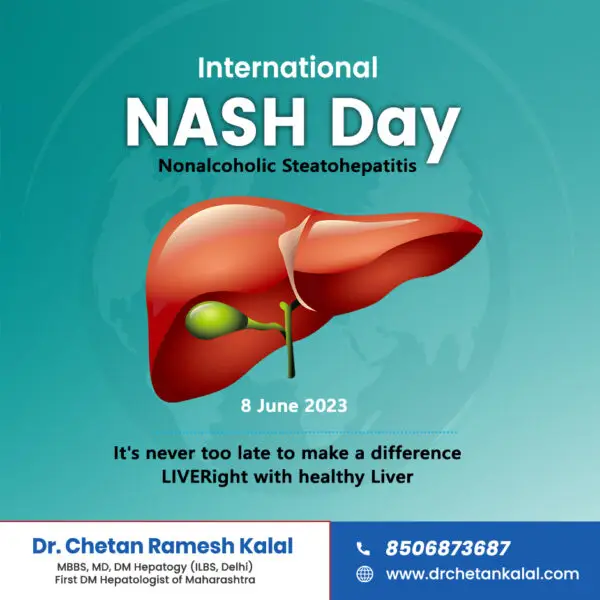
🍃💪🌈🍎🚴‍♀🥦🌞🌟 Welcome to International NASH Day, a day dedicated to shedding light on fatty liver disease and empowering you to embrace a healthier liver for a happier, vibrant life! 🌍💚✨ In this blog, we will delve into the world of fatty liver disease, exploring its symptoms, treatment options, and the crucial role of FibroScan in diagnosing and monitoring this condition. Get ready to unlock the secrets and embark on a transformative journey towards a healthier liver and an extraordinary life! 💪🩺👩‍⚕🌱 🌿 Decoding Fatty Liver Disease: Fatty liver disease, also known as Non-Alcoholic Fatty Liver Disease (NAFLD), is a condition marked by the buildup of fat in liver cells. It’s a global health concern affecting millions of people. Lifestyle factors such as poor diet, sedentary habits, obesity, and diabetes play a significant role in its development. 🍔🛋💔 🔔 The Telltale Signs to Look Out For: ⚠ Fatty liver disease is often a silent condition, with minimal or no symptoms in its early stages. However, as the disease progresses, individuals may experience the following: 🔸 Persistent fatigue and weakness 🔸 Abdominal discomfort or pain 🔸 Unexplained weight loss or gain 🔸 Jaundice (yellowing of the skin and eyes) 🔸 Nausea and vomiting 🔸 Swelling in the legs and ankles If you notice any of these symptoms, it’s crucial to consult a hepatologist promptly. Early detection and intervention can halt further liver damage and ensure effective management. ⏰👀💡 🌟 The Path to Healing: Treatment Options for Fatty Liver Disease: The good news is that fatty liver disease is largely reversible with lifestyle modifications. Here are key steps to consider: 🔸 Embrace a nourishing, balanced diet packed with fruits, vegetables, whole grains, and lean proteins. Bid farewell to processed foods, sugary beverages, and saturated fats. 🔸 Embrace regular physical activity, such as walking, cycling, or swimming, to maintain a healthy weight and enhance insulin sensitivity. 🔸 Collaborate with your healthcare provider to manage underlying conditions like diabetes and high cholesterol. 🔸 Limit or avoid alcohol consumption altogether, as excessive intake can exacerbate liver damage. 🔸 Quit smoking, as it can contribute to liver inflammation and impair liver function. Remember, even small changes can yield remarkable results in improving your liver health and overall well-being. Your liver will thank you for the effort, paving the way for a brighter, healthier future! 💚🏋‍♀🥗💪 🌈 The Key Role of FibroScan in Fatty Liver Disease: FibroScan, a cutting-edge non-invasive diagnostic tool, plays a pivotal role in assessing liver health. By measuring liver stiffness, it provides valuable insights into liver fibrosis (scarring), enabling the determination of the disease’s stage. Unlike traditional biopsies, FibroScan is painless and delivers instant results. Regular monitoring with FibroScan empowers hepatologists to track disease progression, evaluate treatment effectiveness, and make informed decisions regarding patient care. This breakthrough technology revolutionizes the fight against fatty liver disease, enhancing diagnostic accuracy and patient outcomes. 🩺🔍💛 🌟 Healthy Liver, Healthy Life: The Key Take

Unlocking the Secrets of Fatty Liver Disease: Your Path to a Vibrant Life! Read More »

Liver disease — hepatology clinic, Dr. Chetan Kalal, Mumbai

Excess is bad: Even vitamin A can affect liver health

Vitamin A is an essential nutrient which helps improve your health, especially vision and immunity. It also has anti-oxidative properties that keep inflammation under check, especially on your skin. However, excess vitamin A could lead to vitamin A toxicity or hypervitaminosis A and could seriously affect your liver. Experts point out that you should always depend on dietary sources for vitamins, especially for those that cannot be expelled through urine like vitamin A. As these vitamins are also required in minimal dosage for our body and it is always advisable to include fresh fruits and vegetables. Vitamin supplements should be opted for and consumed only on doctor’s prescription. Dr Chetan Ramesh Kalal , Program Director, Hepatology & Transplant Medicine, Nanavati Max Super Speciality Hospital, Mumbai, says, “Liver damage associated with excess vitamin A intake is more likely to occur with prolonged and high-dose supplementation rather than through dietary sources alone.” The symptoms of vitamin A toxicity range from mild symptoms to severe problems like cirrhosis or liver failure, he adds. Vitamin A toxicity and liver damage There are two main types of vitamins, water soluble and fat-soluble ones. Water soluble ones like vitamin B and C get expelled from our body through urine whereas fat soluble ones like vitamin A, D, E and K get deposited on the liver tissues. So excess deposition of these vitamins on your liver tissues could have a toxic effect on the liver. The liver contains stellate cells which store excess fat including fat soluble vitamin A. Excess fat deposition on liver severely cripples its regular function of flushing out toxins and waste from our body. Dr Kalal explains that whenever there is an excessive intake of vitamin A, stellate cells become overwhelmed and exceed capacity. This leads to the activation and enlargement of stellate cells. These activated stellate cells in the liver can cause increased production of collagen and cause inflammation in the liver. This excess of collagen production can lead to fibrosis (scarring of the tissue), which if left untreated can progress to cirrhosis (permanent damage due to scarring of liver). Vitamin A toxicity can be either acute or chronic, based on the amount and duration of vitamin A consumption, he adds. Causes of hypervitaminosis A Bhuvaneswari Vidyashankar, Consultant Dietician, Promed Hospital, Chennai, says people who are on treatments for skin problems are prone to vitamin A toxicity as the medications contain high doses of vitamin A. According to Dr Kalal, self-dosage also leads to vitamin A toxicity. Generally, we don’t require additional dosage of vitamin A supplements. A regular diet is mostly sufficient for vitamin A except in certain medical conditions (pancreatic disease, or eye disease) that require supplementing vitamin A, but this is done under supervision, he adds. Diagnosing hypervitaminosis A Experts say medical history and blood tests are helpful in diagnosing hypervitaminosis A. Dr Kalal gives the list of some typical symptoms of vitamin A. Abdominal pain Nausea Vomiting Loss of appetite Jaundice Dark urine. He cautions of daily recommended dosages of vitamin A. He adds, to prevent excess vitamin A, one should read food labels to know the amount of vitamin A in the food. The recommended limit of vitamin A is anywhere between 700 mg and 900 mg for adults. Knowing the symptoms and medical history is also helpful to determine the liver damage caused by vitamin A toxicity, says Dr Krishanu Banik, Consultant Gastroenterology, Fortis Hospital, Kolkata. He adds, “It’s important to consult with doctors before taking any high-dose vitamin A supplements. A person should always consume vitamin A supplements as per the dose and duration prescribed by the doctor.” Good sources of vitamin A Excess intake of vitamin A can lead to toxicity, however it’s important to consume the recommended limit to avoid vitamin A deficiency. Vidyashankar says, adding fruits, vegetables and animal products like liver, egg yolk and dairy products in your diet will provide adequate vitamin A to stay healthy. “Carrots and green leafy vegetables, certain carotenoids like orange or yellow pumpkin, beans, and legumes are also high in vitamin A”, she adds. Takeaway Vitamin A is an essential nutrient for your health but if consumed in excess, especially in the form of vitamin supplements could lead to severe liver complications. It is a fat soluble vitamin and hence will not get expelled from the body. Excess vitamin A gets stored in your fat storage cells in the liver and ends up affecting the basic functions of your liver. Experts point out that vitamin A supplements should not be taken unless prescribed by a doctor. Dietary sources of vitamin A, mainly fruits, vegetables and some animal products, have enough vitamin A in them to maintain your health.

Excess is bad: Even vitamin A can affect liver health Read More »

Hepatology consultation — Dr. Chetan Kalal, liver specialist, Gleneagles Hospital Mumbai

Wilson’s disease: Causes, symptoms, diagnosis, treatment and prevention

Wilson’s Disease is a rare genetic disorder that causes copper to accumulate in various organs, including the liver, brain and eyes and the excess copper can cause significant damage to these organs, leading to a range of symptoms. According to health experts, Wilson’s disease is one of the main reasons of cirrhosis of liver beside alcohol, hepatitis B and hepatitis C virus but mostly these diseases are silent and once symptoms come the disease is usually in an advance state. It is a hereditary disease, which means it runs in family and is a rare genetic disorder that affects the body’s ability to remove excess copper from vital organs like the liver, brain and eyes. This disease, also known as hepatolenticular degeneration, can cause severe neurological and liver problems if left untreated. Causes: In an interview with HT Lifestyle, Dr Purshottam Vashistha, Consultant – Gastroenterology at Apollo Hospitals in Navi Mumbai, shared, “Wilson’s Disease is caused by a genetic mutation that affects the body’s ability to metabolize copper. Normally, the liver removes excess copper from the body and releases it into the bile for excretion. In people with Wilson’s Disease, this process is disrupted, leading to the accumulation of copper in the body.” Dr Sanjeev Rohatgi, Lead Consultant – Liver Transplant and HPB Surgery at Manipal Hospital in Bangalore’s Whitefield, revealed, “Wilson’s disease is a genetic disorder resulting in abnormal accumulation of copper in the brain, liver, and eyes. It is an autosomal recessive transmission, which means that if both the carrier – father, and mother have Wilson’s Disease, then there is a 1 in 4 chance of the child developing the condition. Wilson’s disease usually presents in the age group of up to 20 years and the presentation is acute liver failure in 5% of cases whereas the rest of the 95% present with chronic liver disease.” Elaborating upon the same, Dr Mayank Gupta, Senior Consultant – Gastroenterology at Max Super Speciality Hospital in Dehradun, said, “Wilson’s illness is inherited as an autosomal recessive trait, requiring the inheritance of one defective gene copy from each parent in order to manifest symptoms. If you have just one faulty gene, you will not get sick, but you can pass the gene on to your offspring and become a carrier. If your parents or siblings have Wilson’s Disease, you may be more susceptible to the disorder. Consult your doctor about whether you should get tested for Wilson’s Disease via genetics. The likelihood of successful treatment greatly increases with early diagnosis of the illness.” Symptoms: According to Dr Purshottam Vashistha, the symptoms of Wilson’s Disease can vary widely, depending on which organs are affected and the severity of the condition. Some of the most common symptoms include: Liver problems, such as jaundice, abdominal pain and an enlarged liver Neurological problems, such as tremors, difficulty speaking and muscle stiffness Psychiatric problems, such as depression, anxiety and mood swings Eye problems, such as a brownish ring around the cornea and difficulty seeing in low light Dr Sanjeev Rohatgi, pointed out, “If they present with acute liver failure, there will be signs of liver failure such as jaundice, ascites, abdominal distension, encephalopathy, and coagulopathy -abnormal coagulation. These patients are usually very sick and they require liver transplants straight away. The rest of the 95% of patients present with a chronic liver disease where the liver gets affected slowly because of the accumulation of copper and eventually the liver become cirrhotic.” Dr Mayank Gupta insisted that while Wilson’s Disease could be present at birth, it does not show any signs or symptoms until copper levels in the brain, liver or another organ start to rise. Depending on the areas of your body that the disease has damaged, your signs and symptoms will vary. They may consist of: Fatigue, a lack of appetite, or stomach discomfort A jaundice-like yellowing of the skin and eye whites Eye discolouration that is golden-brown (Kayser-Fleischer Rings) Accumulation of fluid in the legs or abdomen Speech, swallowing, or motor coordination issues Uncontrolled motions or rigid muscles Diagnosis: Dr Chetan Kalal, Program Director – Hepatology and Transplant Medicine at Nanavati Max Super Speciality Hospital in Mumbai, explained, “Diagnosing Wilson’s Disease can be challenging, as the symptoms are similar to those of other conditions. A complete medical history, physical examination and blood tests can help diagnose the disease. However, the gold standard for diagnosis is a liver biopsy, which can detect the presence of excess copper in the liver. Genetic testing can also confirm the presence of the ATP7B mutation.” Treatment: Dr Purshottam Vashistha revealed, “The treatment for Wilson’s Disease typically involves a combination of medication and dietary changes. The goal is to reduce the amount of copper in the body and prevent further damage to the organs. The medication used to treat Wilson’s Disease is called a chelating agent, which binds to copper in the body and allows it to be excreted. The most commonly used chelating agent is called penicillamine, although other medications, such as trientine and zinc, may also be used. Dietary changes can also help manage the symptoms of Wilson’s Disease. Foods that are high in copper, such as shellfish, liver, and nuts, should be avoided. Instead, people with Wilson’s Disease should focus on eating a balanced diet that includes plenty of fruits, vegetables, and whole grains.” As per Dr Chetan Kalal, the treatment involves removing excess copper from the body and preventing further accumulation. He said, “The primary treatment is medication, such as chelating agents, which bind to copper and remove it from the body. Zinc acetate and penicillamine are the two most commonly used medications to treat Wilson’s Disease. A liver transplant may be necessary in severe cases, especially if the liver has suffered irreversible damage. The success rate of liver transplants for Wilson’s Disease is high, and most patients see a significant improvement in their symptoms after the procedure. However, this is a costly and invasive procedure, which is not viable for all patients.” Bringing his expertise […]

Wilson’s disease: Causes, symptoms, diagnosis, treatment and prevention Read More »

Book AppointmentDr. Chetan Kalal · Hepatologist