Author name: Dr. Chetan Kalal

Liver disease — hepatology clinic, Dr. Chetan Kalal, Mumbai

Excess is bad: Even vitamin A can affect liver health

Vitamin A is an essential nutrient which helps improve your health, especially vision and immunity. It also has anti-oxidative properties that keep inflammation under check, especially on your skin. However, excess vitamin A could lead to vitamin A toxicity or hypervitaminosis A and could seriously affect your liver. Experts point out that you should always depend on dietary sources for vitamins, especially for those that cannot be expelled through urine like vitamin A. As these vitamins are also required in minimal dosage for our body and it is always advisable to include fresh fruits and vegetables. Vitamin supplements should be opted for and consumed only on doctor’s prescription. Dr Chetan Ramesh Kalal , Program Director, Hepatology & Transplant Medicine, Nanavati Max Super Speciality Hospital, Mumbai, says, “Liver damage associated with excess vitamin A intake is more likely to occur with prolonged and high-dose supplementation rather than through dietary sources alone.” The symptoms of vitamin A toxicity range from mild symptoms to severe problems like cirrhosis or liver failure, he adds. Vitamin A toxicity and liver damage There are two main types of vitamins, water soluble and fat-soluble ones. Water soluble ones like vitamin B and C get expelled from our body through urine whereas fat soluble ones like vitamin A, D, E and K get deposited on the liver tissues. So excess deposition of these vitamins on your liver tissues could have a toxic effect on the liver. The liver contains stellate cells which store excess fat including fat soluble vitamin A. Excess fat deposition on liver severely cripples its regular function of flushing out toxins and waste from our body. Dr Kalal explains that whenever there is an excessive intake of vitamin A, stellate cells become overwhelmed and exceed capacity. This leads to the activation and enlargement of stellate cells. These activated stellate cells in the liver can cause increased production of collagen and cause inflammation in the liver. This excess of collagen production can lead to fibrosis (scarring of the tissue), which if left untreated can progress to cirrhosis (permanent damage due to scarring of liver). Vitamin A toxicity can be either acute or chronic, based on the amount and duration of vitamin A consumption, he adds. Causes of hypervitaminosis A Bhuvaneswari Vidyashankar, Consultant Dietician, Promed Hospital, Chennai, says people who are on treatments for skin problems are prone to vitamin A toxicity as the medications contain high doses of vitamin A. According to Dr Kalal, self-dosage also leads to vitamin A toxicity. Generally, we don’t require additional dosage of vitamin A supplements. A regular diet is mostly sufficient for vitamin A except in certain medical conditions (pancreatic disease, or eye disease) that require supplementing vitamin A, but this is done under supervision, he adds. Diagnosing hypervitaminosis A Experts say medical history and blood tests are helpful in diagnosing hypervitaminosis A. Dr Kalal gives the list of some typical symptoms of vitamin A. Abdominal pain Nausea Vomiting Loss of appetite Jaundice Dark urine. He cautions of daily recommended dosages of vitamin A. He adds, to prevent excess vitamin A, one should read food labels to know the amount of vitamin A in the food. The recommended limit of vitamin A is anywhere between 700 mg and 900 mg for adults. Knowing the symptoms and medical history is also helpful to determine the liver damage caused by vitamin A toxicity, says Dr Krishanu Banik, Consultant Gastroenterology, Fortis Hospital, Kolkata. He adds, “It’s important to consult with doctors before taking any high-dose vitamin A supplements. A person should always consume vitamin A supplements as per the dose and duration prescribed by the doctor.” Good sources of vitamin A Excess intake of vitamin A can lead to toxicity, however it’s important to consume the recommended limit to avoid vitamin A deficiency. Vidyashankar says, adding fruits, vegetables and animal products like liver, egg yolk and dairy products in your diet will provide adequate vitamin A to stay healthy. “Carrots and green leafy vegetables, certain carotenoids like orange or yellow pumpkin, beans, and legumes are also high in vitamin A”, she adds. Takeaway Vitamin A is an essential nutrient for your health but if consumed in excess, especially in the form of vitamin supplements could lead to severe liver complications. It is a fat soluble vitamin and hence will not get expelled from the body. Excess vitamin A gets stored in your fat storage cells in the liver and ends up affecting the basic functions of your liver. Experts point out that vitamin A supplements should not be taken unless prescribed by a doctor. Dietary sources of vitamin A, mainly fruits, vegetables and some animal products, have enough vitamin A in them to maintain your health.

Excess is bad: Even vitamin A can affect liver health Read More »

Hepatology consultation — Dr. Chetan Kalal, liver specialist, Gleneagles Hospital Mumbai

Wilson’s disease: Causes, symptoms, diagnosis, treatment and prevention

Wilson’s Disease is a rare genetic disorder that causes copper to accumulate in various organs, including the liver, brain and eyes and the excess copper can cause significant damage to these organs, leading to a range of symptoms. According to health experts, Wilson’s disease is one of the main reasons of cirrhosis of liver beside alcohol, hepatitis B and hepatitis C virus but mostly these diseases are silent and once symptoms come the disease is usually in an advance state. It is a hereditary disease, which means it runs in family and is a rare genetic disorder that affects the body’s ability to remove excess copper from vital organs like the liver, brain and eyes. This disease, also known as hepatolenticular degeneration, can cause severe neurological and liver problems if left untreated. Causes: In an interview with HT Lifestyle, Dr Purshottam Vashistha, Consultant – Gastroenterology at Apollo Hospitals in Navi Mumbai, shared, “Wilson’s Disease is caused by a genetic mutation that affects the body’s ability to metabolize copper. Normally, the liver removes excess copper from the body and releases it into the bile for excretion. In people with Wilson’s Disease, this process is disrupted, leading to the accumulation of copper in the body.” Dr Sanjeev Rohatgi, Lead Consultant – Liver Transplant and HPB Surgery at Manipal Hospital in Bangalore’s Whitefield, revealed, “Wilson’s disease is a genetic disorder resulting in abnormal accumulation of copper in the brain, liver, and eyes. It is an autosomal recessive transmission, which means that if both the carrier – father, and mother have Wilson’s Disease, then there is a 1 in 4 chance of the child developing the condition. Wilson’s disease usually presents in the age group of up to 20 years and the presentation is acute liver failure in 5% of cases whereas the rest of the 95% present with chronic liver disease.” Elaborating upon the same, Dr Mayank Gupta, Senior Consultant – Gastroenterology at Max Super Speciality Hospital in Dehradun, said, “Wilson’s illness is inherited as an autosomal recessive trait, requiring the inheritance of one defective gene copy from each parent in order to manifest symptoms. If you have just one faulty gene, you will not get sick, but you can pass the gene on to your offspring and become a carrier. If your parents or siblings have Wilson’s Disease, you may be more susceptible to the disorder. Consult your doctor about whether you should get tested for Wilson’s Disease via genetics. The likelihood of successful treatment greatly increases with early diagnosis of the illness.” Symptoms: According to Dr Purshottam Vashistha, the symptoms of Wilson’s Disease can vary widely, depending on which organs are affected and the severity of the condition. Some of the most common symptoms include: Liver problems, such as jaundice, abdominal pain and an enlarged liver Neurological problems, such as tremors, difficulty speaking and muscle stiffness Psychiatric problems, such as depression, anxiety and mood swings Eye problems, such as a brownish ring around the cornea and difficulty seeing in low light Dr Sanjeev Rohatgi, pointed out, “If they present with acute liver failure, there will be signs of liver failure such as jaundice, ascites, abdominal distension, encephalopathy, and coagulopathy -abnormal coagulation. These patients are usually very sick and they require liver transplants straight away. The rest of the 95% of patients present with a chronic liver disease where the liver gets affected slowly because of the accumulation of copper and eventually the liver become cirrhotic.” Dr Mayank Gupta insisted that while Wilson’s Disease could be present at birth, it does not show any signs or symptoms until copper levels in the brain, liver or another organ start to rise. Depending on the areas of your body that the disease has damaged, your signs and symptoms will vary. They may consist of: Fatigue, a lack of appetite, or stomach discomfort A jaundice-like yellowing of the skin and eye whites Eye discolouration that is golden-brown (Kayser-Fleischer Rings) Accumulation of fluid in the legs or abdomen Speech, swallowing, or motor coordination issues Uncontrolled motions or rigid muscles Diagnosis: Dr Chetan Kalal, Program Director – Hepatology and Transplant Medicine at Nanavati Max Super Speciality Hospital in Mumbai, explained, “Diagnosing Wilson’s Disease can be challenging, as the symptoms are similar to those of other conditions. A complete medical history, physical examination and blood tests can help diagnose the disease. However, the gold standard for diagnosis is a liver biopsy, which can detect the presence of excess copper in the liver. Genetic testing can also confirm the presence of the ATP7B mutation.” Treatment: Dr Purshottam Vashistha revealed, “The treatment for Wilson’s Disease typically involves a combination of medication and dietary changes. The goal is to reduce the amount of copper in the body and prevent further damage to the organs. The medication used to treat Wilson’s Disease is called a chelating agent, which binds to copper in the body and allows it to be excreted. The most commonly used chelating agent is called penicillamine, although other medications, such as trientine and zinc, may also be used. Dietary changes can also help manage the symptoms of Wilson’s Disease. Foods that are high in copper, such as shellfish, liver, and nuts, should be avoided. Instead, people with Wilson’s Disease should focus on eating a balanced diet that includes plenty of fruits, vegetables, and whole grains.” As per Dr Chetan Kalal, the treatment involves removing excess copper from the body and preventing further accumulation. He said, “The primary treatment is medication, such as chelating agents, which bind to copper and remove it from the body. Zinc acetate and penicillamine are the two most commonly used medications to treat Wilson’s Disease. A liver transplant may be necessary in severe cases, especially if the liver has suffered irreversible damage. The success rate of liver transplants for Wilson’s Disease is high, and most patients see a significant improvement in their symptoms after the procedure. However, this is a costly and invasive procedure, which is not viable for all patients.” Bringing his expertise

Wilson’s disease: Causes, symptoms, diagnosis, treatment and prevention Read More »

Hepatology consultation — Dr. Chetan Kalal, liver specialist, Gleneagles Hospital Mumbai

Celebrating International Emergency Medicine Day: Prioritizing Liver Health for a Resilient Future

Let’s unite on International Emergency Medicine Day to recognize the importance of liver health in emergency care and beyond. Join me in exploring key points and strategies for safeguarding our liver well-being! 💡💪 🌈 Catchy Headline: “Emergency Care for Your Liver: Empowering Health on International Emergency Medicine Day!” 🌟 🌟 International Emergency Medicine Day: Spotlight on Liver Health! 🌟 🔹 As we commemorate International Emergency Medicine Day, let’s highlight the significance of liver health and its connection to emergency care with these key points: 💡 Point 1: The Vital Role of the Liver in Emergencies 🩺🌟 – The liver plays a critical role in our overall well-being and is essential in emergency situations, including trauma, drug overdoses, and acute illnesses. 🌈🩺 – Emergency healthcare providers prioritize liver function assessments and monitoring to ensure effective treatment and patient outcomes. 💪🩺 💡 Point 2: Liver Health for Resilience 🌍💚 – Maintaining optimal liver health is crucial for our overall resilience and ability to recover from emergencies. 🌿🌍 – Practicing healthy lifestyle habits, such as a balanced diet, regular exercise, moderate alcohol consumption, and avoiding risky behaviors, can promote liver well-being. 🥗💚 💡 Point 3: Recognizing Warning Signs 🚨🩺 – Being aware of warning signs and symptoms related to liver health is vital. These may include jaundice, abdominal pain, fatigue, changes in urine or stool color, and unexplained weight loss. 🚨🌡️ – If you experience any concerning symptoms, seeking medical attention promptly can aid in early detection and intervention. 🩺🌟 🌟 Empowering Liver Health on International Emergency Medicine Day! 🌟 #EmergencyMedicineDay #LiverHealth #EmergencyCare #HealthAwareness #LiverFunction #Resilience #LiverWellbeing #HealthStrategies #EarlyDetection #WellnessJourney #HealthyHabits #LiverAwareness #HealthEmpowerment #EmergencyCareAwareness #LiverDiseasePrevention #EmergencyMedicine #LiverFunctionMatters #HealthPriorities #EmergencyCareFocus #LiverWellnessTips #HolisticHealth 🌟 Prioritize Your Liver Health for a Resilient Future! 🌟 📣 Share this post to raise awareness about the importance of liver health in emergency care and everyday life. Let’s inspire individuals to prioritize their liver well-being, practice healthy habits, and promote a resilient future together! 🌍💚 #EmergencyMedicineAwareness #LiverWellbeing #HealthConscious #EmergencyCareTips #LiverHealthAwareness #HealthyLivingTips #EmergencyMedicineDayCelebration #HolisticWellness #LiverHealthMatters #LiverCare #EmergencyAwareness #HealthEducation #LiverWellnessStrategies #LiverSupport #HealthPromotion #EmergencyCareFocus #LiverResilience #LiverDiseasePrevention #HealthEmpowerment #LiverFunctionAwareness #EmergencyCarePriorities

Celebrating International Emergency Medicine Day: Prioritizing Liver Health for a Resilient Future Read More »

Hepatology consultation — Dr. Chetan Kalal, liver specialist, Gleneagles Hospital Mumbai

What Your Liver is Telling You: Signs of Poor Liver Function

The liver is one of the most important organs in the body, responsible for a wide range of functions including filtering toxins, producing bile for digestion, regulating blood sugar levels, and storing important vitamins and minerals. When the liver is not functioning properly, it can have serious consequences for your overall health. In this article, we’ll explore some of the signs of poor liver function, and what you can do to support your liver health. Common Signs of Poor Liver Function The liver is a highly resilient organ, and it can often compensate for mild damage or stress. However, when liver damage becomes severe or chronic, it can lead to a range of symptoms and health problems. Some of the most common signs of poor liver function include: Fatigue The liver plays a crucial role in producing energy for the body, by converting nutrients from food into glucose, which is then stored in the liver as glycogen. When the liver is not functioning properly, this process can be disrupted, leading to feelings of fatigue and weakness. Digestive Issues The liver produces bile, a fluid that helps to break down fats in the small intestine. When the liver is not functioning properly, it can lead to digestive issues such as bloating, constipation, and diarrhea. Jaundice Jaundice is a condition where the skin and eyes become yellow due to a buildup of bilirubin, a waste product produced by the liver. This can occur when the liver is not able to filter bilirubin from the blood properly. Abdominal Pain Liver damage can cause pain in the upper right side of the abdomen, where the liver is located. This pain can range from a dull ache to a sharp stabbing sensation. Skin Changes When the liver is not functioning properly, it can lead to changes in the skin such as redness, itching, or darkening. Supporting Liver Health If you are experiencing any of the signs of poor liver function, it is important to take steps to support your liver health. Here are some tips to get started: Eat a Healthy Diet A healthy diet is one of the best things you can do to support your liver health. Focus on eating a diet rich in fruits, vegetables, whole grains, and lean protein sources. Avoid processed foods, sugary drinks, and excessive alcohol consumption, which can all contribute to liver damage. Stay Hydrated Drinking plenty of water can help to flush toxins out of the liver, and keep it functioning properly. Aim for at least 8 glasses of water a day. Exercise Regularly Regular exercise can help to improve liver function, by reducing inflammation and supporting healthy blood flow. Aim for at least 30 minutes of moderate exercise, such as brisk walking or cycling, most days of the week. Consider Intermittent Fasting Intermittent fasting is a dietary approach where you alternate periods of fasting with periods of eating. This can help to support liver health by reducing inflammation and improving insulin sensitivity. Avoid Toxic Substances Toxic substances such as tobacco smoke, environmental pollutants, and excessive alcohol consumption can all contribute to liver damage. Avoid exposure to these substances as much as possible. Conclusion The liver plays a crucial role in maintaining overall health, and poor liver function can have serious consequences. If you are experiencing any of the signs of poor liver function, it is important to take steps to support your liver health. By eating a healthy diet, staying hydrated, exercising regularly, and avoiding toxic substances, you can help to keep your liver functioning properly and reduce your risk of liver disease.

What Your Liver is Telling You: Signs of Poor Liver Function Read More »

Hepatology consultation — Dr. Chetan Kalal, liver specialist, Gleneagles Hospital Mumbai

The Importance of Vitamin D for Liver Health

The liver is an essential organ in the human body that performs many crucial functions, including filtering toxins, processing nutrients, and producing bile. It’s crucial to maintain liver health to prevent liver disease and ensure proper body function. One way to support liver health is by ensuring that the body receives adequate levels of vitamin D. Vitamin D is a fat-soluble vitamin that helps the body absorb calcium and phosphorus. It’s commonly known as the “sunshine vitamin” because the body can produce it when the skin is exposed to sunlight. Vitamin D also plays an essential role in immune function, bone health, and cell growth and differentiation. The Role of Vitamin D in Liver Health Vitamin D receptors are present in many tissues throughout the body, including the liver. The liver plays a vital role in vitamin D metabolism, converting vitamin D into an active form that the body can use. Vitamin D deficiency has been linked to several liver diseases, including non-alcoholic fatty liver disease (NAFLD), hepatitis B and C, and liver cancer. NAFLD is the most common liver disease, affecting over 25% of the global population. It’s a condition in which excess fat accumulates in the liver, leading to inflammation and liver damage. Studies have shown that vitamin D deficiency is prevalent in patients with NAFLD, and low vitamin D levels are associated with more severe liver disease. Hepatitis B and C are viral infections that can cause liver damage and lead to chronic liver disease. Vitamin D deficiency has been linked to the progression of hepatitis B and C and may increase the risk of liver cancer in patients with these infections. Sources of Vitamin D The body can produce vitamin D when the skin is exposed to sunlight, but many factors can affect this process, such as the time of day, location, and skin pigmentation. Therefore, it’s essential to ensure that the body receives adequate levels of vitamin D from dietary sources. Fatty fish, such as salmon, tuna, and mackerel, are excellent sources of vitamin D. Other dietary sources include egg yolks, cheese, and fortified foods such as milk, cereal, and orange juice. Vitamin D supplements are also available and can be an effective way to ensure adequate vitamin D intake. How Much Vitamin D Do You Need? The recommended daily intake of vitamin D varies depending on age, gender, and other factors. The National Institutes of Health recommends a daily intake of 600-800 IU (international units) of vitamin D for most adults. However, some individuals may require higher doses of vitamin D, such as those with malabsorption disorders or limited sun exposure. Vitamin D and Liver Health: The Bottom Line Vitamin D is an essential nutrient that plays a crucial role in liver health. Adequate vitamin D intake may help prevent and manage liver diseases such as NAFLD, hepatitis B and C, and liver cancer. It’s important to ensure that the body receives adequate levels of vitamin D through dietary sources or supplements to support overall liver health and function. If you’re concerned about your vitamin D levels or liver health, talk to your healthcare provider. They can recommend appropriate testing and treatment options to help ensure that your body receives the nutrients it needs to function optimally.

The Importance of Vitamin D for Liver Health Read More »

WorldIBDday

World IBD Day Sheds Light on the Connection between IBD and Liver Health

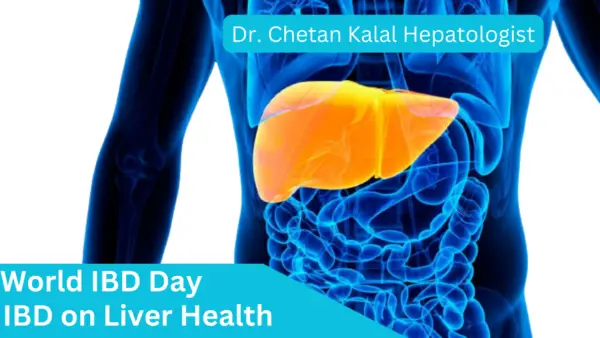
May 19th marks World IBD Day, a day dedicated to raising awareness about inflammatory bowel disease (IBD). This year, the focus is on the connection between IBD and liver health. According to the IBD Society, up to 30% of people with IBD may develop liver disease, which can range from mild inflammation to severe scarring. The European Crohn’s and Colitis Organisation (ECCO) adds that liver disease is more common in people with Crohn’s disease than those with ulcerative colitis. “Many people with IBD are not aware of the potential impact on their liver health,”. “It’s important for patients to work closely with their healthcare providers to monitor liver function and catch any issues early.” The Crohn’s and Colitis Foundation (CCF) India also emphasizes the importance of early detection and treatment. “Liver disease can be silent and asymptomatic in its early stages, which is why regular check-ups are crucial,” In addition to regular check-ups, maintaining a healthy lifestyle can also help protect liver health in people with IBD. This includes avoiding alcohol, eating a balanced diet, and getting regular exercise. “World IBD Day is an opportunity to raise awareness about the impact of IBD on liver health and the importance of early detection and prevention,” . “By working together, we can improve outcomes for people living with IBD and liver disease.” For more information about World IBD Day and the connection between IBD and liver health, visit (website) https://drchetankalal.com/

World IBD Day Sheds Light on the Connection between IBD and Liver Health Read More »

Liver disease — hepatology clinic, Dr. Chetan Kalal, Mumbai

The Benefits of Intermittent Fasting for Liver Health

Intermittent fasting is a popular dietary approach that involves alternating between periods of fasting and eating. This approach has gained a lot of attention in recent years due to its potential health benefits, including improved liver health. In this article, we will explore the benefits of intermittent fasting for liver health. What is Intermittent Fasting? Intermittent fasting is a dietary approach that involves cycling between periods of fasting and eating. There are several different methods of intermittent fasting, including: Time-restricted feeding: This method involves limiting your daily food intake to a specific window of time, such as 8 hours, and fasting for the remaining 16 hours. Alternate-day fasting: This method involves alternating between days of normal eating and days of calorie restriction. 5:2 diet: This method involves eating normally for 5 days of the week and restricting calorie intake to 500-600 calories for the remaining 2 days. How Does Intermittent Fasting Benefit Liver Health? Intermittent fasting has several potential benefits for liver health, including: Improving Insulin Sensitivity Insulin resistance is a key factor in many liver diseases, including non-alcoholic fatty liver disease (NAFLD). Intermittent fasting has been shown to improve insulin sensitivity, which can help prevent and treat liver diseases. Reducing Inflammation Inflammation is a common factor in many liver diseases, including hepatitis and cirrhosis. Intermittent fasting has been shown to reduce inflammation in the liver, which can help prevent and treat liver damage. Promoting Autophagy Autophagy is a process in which cells break down and recycle damaged or dysfunctional components. This process plays a critical role in liver health, as it helps eliminate damaged cells and reduces the risk of liver diseases. Intermittent fasting has been shown to promote autophagy in the liver, which can help prevent and treat liver diseases. How to Incorporate Intermittent Fasting into Your Diet There are several ways to incorporate intermittent fasting into your diet, including: Time-Restricted Feeding One of the simplest ways to incorporate intermittent fasting is through time-restricted feeding. This involves limiting your daily food intake to a specific window of time, such as 8 hours, and fasting for the remaining 16 hours. For example, you could eat all of your meals between 12 pm and 8 pm and fast for the remaining 16 hours. Alternate-Day Fasting Alternate-day fasting involves alternating between days of normal eating and days of calorie restriction. On calorie restriction days, you would eat 500-600 calories or less. For example, you could eat normally on Monday, fast on Tuesday, eat normally on Wednesday, and so on. 5:2 Diet The 5:2 diet involves eating normally for 5 days of the week and restricting calorie intake to 500-600 calories for the remaining 2 days. For example, you could eat normally Monday through Friday and restrict calorie intake on Saturday and Sunday. Precautions and Side Effects While intermittent fasting is generally safe for most people, it can cause side effects in some individuals, such as: Headaches Dizziness Fatigue Irritability Additionally, people with certain health conditions, such as diabetes, should speak with their healthcare provider before starting intermittent fasting. Conclusion Intermittent fasting is a popular dietary approach that has several potential benefits for liver health. By improving insulin sensitivity, reducing inflammation, and promoting autophagy, intermittent fasting can help prevent and treat liver diseases. If you are interested in incorporating intermittent fasting into your

The Benefits of Intermittent Fasting for Liver Health Read More »

Hepatology consultation — Dr. Chetan Kalal, liver specialist, Gleneagles Hospital Mumbai

Why Turmeric is the Ultimate Spice for Liver Health

Turmeric is a spice that has been used for centuries in traditional medicine to treat a variety of health issues, including liver diseases. The active ingredient in turmeric, curcumin, has been shown to have anti-inflammatory and antioxidant properties, which can benefit liver health in many ways. In this article, we will explore why turmeric is the ultimate spice for liver health. What is Turmeric? Turmeric is a spice that is commonly used in Asian cuisine. It comes from the root of the turmeric plant and has a bright yellow color. Turmeric has been used for thousands of years in traditional medicine to treat a variety of health conditions, including liver diseases. How Does Turmeric Benefit Liver Health? Turmeric has several health benefits for the liver, including: Reducing Inflammation Curcumin, the active ingredient in turmeric, has been shown to have powerful anti-inflammatory effects. Inflammation is a key factor in many liver diseases, including cirrhosis and hepatitis. By reducing inflammation in the liver, turmeric can help prevent and treat liver damage. Boosting Antioxidant Capacity Curcumin has also been shown to have antioxidant properties, which can help protect the liver from oxidative stress. Oxidative stress is caused by an imbalance between free radicals and antioxidants in the body, and it can lead to liver damage. By boosting antioxidant capacity, turmeric can help prevent and treat liver diseases. Supporting Liver Function Turmeric has been shown to support liver function by increasing bile production, which aids in digestion and the elimination of toxins from the body. Additionally, turmeric can help prevent the accumulation of fat in the liver, which is a common cause of liver diseases. How to Incorporate Turmeric into Your Diet There are several ways to incorporate turmeric into your diet to reap its liver health benefits: Add Turmeric to Your Meals Turmeric can be added to many dishes, including soups, stews, curries, and rice. It has a slightly bitter taste and can add a warm, earthy flavor to your food. Drink Turmeric Tea Turmeric tea is a simple and delicious way to enjoy the benefits of turmeric. To make turmeric tea, simply steep grated turmeric root or turmeric powder in hot water for several minutes. You can also add other spices, such as ginger and cinnamon, for added flavor. Take a Turmeric Supplement If you don’t enjoy the taste of turmeric or don’t have access to fresh turmeric, you can take a turmeric supplement. Be sure to choose a high-quality supplement that contains curcumin, as this is the active ingredient responsible for the health benefits of turmeric. Precautions and Side Effects While turmeric is generally safe, it can cause side effects in some people. These side effects may include stomach upset, nausea, and diarrhea. Conclusion Turmeric is a powerful spice that can benefit liver health in many ways. Its anti-inflammatory and antioxidant properties can help prevent and treat liver diseases, while its ability to support liver function can aid in digestion and the elimination of toxins from the body. By incorporating turmeric into your diet, you can enjoy its many health benefits and support your liver health naturally.

Why Turmeric is the Ultimate Spice for Liver Health Read More »

Hepatology consultation — Dr. Chetan Kalal, liver specialist, Gleneagles Hospital Mumbai

Simple Habits To Adopt for a Healthier Liver

Are you taking care of your liver? The liver is one of the most vital organs in your body. It is responsible for processing nutrients and filtering out harmful toxins from the body. Unfortunately, the liver is also one of the most neglected organs. It can be easy to forget about your liver health when you’re busy with work, family, and other responsibilities. But neglecting your liver can lead to serious health problems, including liver disease and even liver failure. In this article, we will discuss five simple habits that you can adopt to improve your liver health. These habits are easy to incorporate into your daily routine and can have a significant impact on your overall health. Hydrate with Water Drinking enough water is one of the simplest and most effective things you can do to improve your liver health. Water helps to flush out toxins from the liver and kidneys, reducing the risk of liver damage and disease. Aim to drink at least eight glasses of water per day. You can also add lemon to your water for a boost of vitamin C and antioxidants. Limit Alcohol Consumption Alcohol can be harmful to the liver in large quantities. It is important to limit your alcohol consumption to protect your liver. For men, the recommended maximum amount of alcohol is two drinks per day, and for women, it is one drink per day. It is also important to note that binge drinking can cause liver damage even if you only do it occasionally. Eat a Healthy Diet Eating a healthy diet is important for overall health, but it is especially important for liver health. Avoid processed foods, sugary drinks, and foods high in saturated and trans fats. Instead, focus on eating a diet rich in fruits, vegetables, whole grains, lean proteins, and healthy fats like those found in nuts and fatty fish. These foods contain nutrients that can support liver function and help to reduce inflammation. Exercise Regularly Exercise is essential for maintaining good health, and it can also benefit liver health. Regular exercise can help to reduce inflammation and improve liver function. Aim to get at least 30 minutes of moderate-intensity exercise most days of the week. This can include activities like brisk walking, cycling, or swimming. Get Enough Sleep Getting enough sleep is important for overall health, but it can also benefit liver health. Chronic sleep deprivation can lead to inflammation and damage to the liver. Aim to get seven to eight hours of sleep each night. If you have trouble sleeping, try establishing a bedtime routine, avoiding caffeine and electronics before bed, and keeping your bedroom cool and dark.

Simple Habits To Adopt for a Healthier Liver Read More »

Book AppointmentDr. Chetan Kalal · Hepatologist