
February 2026

Why India now ranks among the world’s top 3 for fatty liver disease

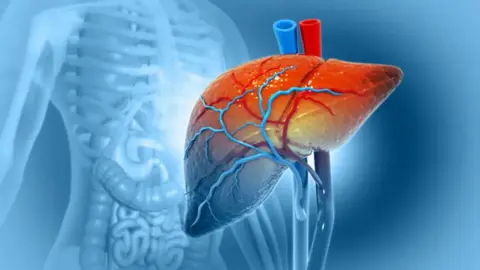
Why India now ranks among the world’s top 3 for fatty liver disease India is witnessing a silent but alarming rise in fatty liver disease, now placing the country among the world’s top three most affected nations. A recent global study published in the ‘Journal of the American Medical Association’ reveals that metabolic dysfunction–associated steatotic liver disease (MASLD), also known as non-alcoholic fatty liver disease, has become the most common chronic liver disorder worldwide, affecting nearly 30–40 per cent of the adult population. The condition is closely linked to the surge in obesity and diabetes, with nearly 60–70 per cent of people with type 2 diabetes and up to 80 per cent of those with obesity found to have fatty liver. The situation in India is particularly worrying. Between 2010 and 2021, the country recorded a 13.2 per cent rise in age-standardised prevalence, ranking just behind China and Sudan. Studies also warn that MASLD is not merely a lifestyle condition but a serious health threat associated with liver cancer, heart disease, and premature mortality. To understand why India is seeing such a sharp increase, whether fatty liver is truly a “new-age” disease, how urban and rural patterns differ, and what preventive steps can make a real difference, First Check spoke to Dr Chetan Kalal, Associate Director, Department of Hepatology at Gleneagles Hospital, Mumbai, and Maharashtra’s first DM Hepatologist. Is fatty liver disease a new phenomenon in India? Dr Chetan Kalal explained that fatty liver disease is not a new health problem in India, but its true burden has become more visible in recent years due to changing lifestyles and better detection methods. “Fatty liver was always present. What has changed is that metabolic risk factors like obesity, type 2 diabetes, and sedentary lifestyles have increased sharply. Because of this, the actual prevalence has genuinely gone up,” he said. He pointed out that the trend is not limited to India alone. “Globally, around 30 to 40 per cent of adults are already affected by fatty liver disease. Among people with type 2 diabetes and obesity, this figure can go up to nearly 80 per cent,” Dr Kalal noted. According to him, improved diagnosis has also played a major role in the apparent surge. “Earlier, fattyliver was largely underdiagnosed. Today, awareness has increased. More people undergo routine health check-ups, ultrasound scans, and imaging like CT or MRI for other medical reasons. Many cases are now being detected incidentally, which was not common earlier,” he explained. Dr Kalal added that the medical understanding of fatty liver has also evolved significantly over the past two decades. “Between the 1990s and early 2010s, fatty liver was not taken very seriously. It was discussed, but it was not formally recognised as a major public health threat,” he said. What has changed now, he stressed, is the growing evidence linking fatty liver to life-threatening complications beyond the liver. “We now know that fatty liver is not just about cirrhosis. It is strongly associated with higher cardiovascular mortality, increased risk of stroke, and other serious extrahepatic diseases, often occurring even before cirrhosis develops,” Dr Kalal warned. This shift in understanding has made early detection a priority. “Our focus today is on identifying fattyliver early so that we can prevent irreversible liver damage like cirrhosis and, more importantly, reduce the risk of deadly heart-related complications,” he added. What is driving India’s surge in MASLD cases? Dr Kalal explained that Indians and South Asians are biologically more prone to developing metabolic risk even at lower body weight. “As South Asians, we tend to accumulate more visceral fat – the dangerous fat around internal organs, even when our overall BMI appears normal. Many people may look thin in their arms and legs but have a prominent abdominal bulge,” he said. This pattern, he added, is medically described as TOFI – ‘Thin Outside, Fat Inside’. “Because of this TOFI phenotype, many Indians carry high metabolic risk without obvious obesity. This makes them more vulnerable to insulin resistance and fatty liver disease,” Dr Kalal explained. Beyond genetic predisposition, lifestyle changes have significantly worsened the problem. Dr Kalal pointed to major dietary shifts in recent years. “There has been a sharp rise in consumption of ultra-processed foods, sugary beverages, refined carbohydrates and frequent snacking. These dietary habits directly contribute to weight gain and metabolic dysfunction,” he said. Sedentary behaviour is another major contributor. “People now move much less. Screen time has increased, physical activity has reduced, and daily routines have become increasingly digital. Added to this are poor sleep patterns and high stress levels, all of which further worsen insulin resistance,” he noted. According to Dr Kalal, these combined factors drive not only fatty liver but also a broader health crisis. “MASLD is not just a liver disease. It is strongly linked to heart disease, stroke, cancers and increased overall mortality,” he warned. He also emphasised the importance of liver fibrosis as a key indicator of long-term risk. “The stage of fibrosis, how stiff or scarred the liver has become, is one of the strongest predictors of outcomes. This is why early detection is critical,” Dr Kalal said. Importantly, he highlighted that many serious complications occur even before advanced liver damage develops. “In the early stages, before cirrhosis sets in, patients are more likely to die from cardiovascular disease, stroke or cancers. Once cirrhosis develops, liver-related complications then become the main cause of death,” he explained. Is fatty liver still an urban disease, or is rural India equally affected? Dr Kalal said the traditional perception of fatty liver as an “urban lifestyle disease” is rapidly changing. “The urban–rural gap is narrowing. There is now strong Indian data showing a high prevalence of fattyliver disease in both urban and rural populations,” he explained. From his clinical experience, Dr Kalal noted that urban populations still show a slightly higher risk due to more sedentary jobs and greater exposure to ultra-processed foods. “City lifestyles often involve desk-based work, long screen hours and easy access to fast food, which increases metabolic risk,” he said. However, he emphasised that rural India is no longer immune to these trends. “Rural populations are increasingly consuming processed and packaged foods. Physical labour is also reducing as traditional manual work is being replaced by

Why India now ranks among the world’s top 3 for fatty liver disease Read More »

FACT CHECK: Can sleeping in cold AC at night affect liver recovery?

FACT CHECK: Can sleeping in cold AC at night affect liver recovery? In a viral Instagram reel posted by fitness coach and influencer Priyank Mehta, who has around 1 million followers, the question of whether sleeping in a cold AC affects the liver’s detox process is discussed. The reel, which has garnered over 3.25 lakh views, 3,307 likes, and 5,502 shares, unfolds as a dialogue between Mehta and a woman. In the reel, the woman notices the chilly air and asks, “Babe, why is the AC so cold?” Priyank smiles and explains that he just wants to cuddle and sleep. She then raises a health concern, “If you sleep in this cold, how will you detoxify your liver?” Priyank laughs it off, thinking it’s nonsense, and asks her what exactly the problem is with cold. The woman clarifies, “At night, the liver goes through a repair and detox phase. The body’s ideal internal temperature is 36–37 degrees, and liver enzymes work best when the body is calm and warm.” Priyank points out that the AC only cools the room, not the body’s core temperature. She nods, “Exactly. When the room temperature drops below 18–19 degrees, the body’s first focus is to save heat.” Priyank, still curious, asks what she means. She explains that blood flow moves away from the liver and digestion to maintain core temperature, which slows down the liver’s detox process. Priyank remarks that this must be why people feel a little dull in the morning. The woman agrees, “You sleep well, but the recovery is compromised.” When Priyank asks if he should turn off the AC, she shakes her head and says, “No, no. For the solution, read the caption.” The caption accompanying the reel explains that using an AC itself is not harmful, but sleeping in extreme cold can affect the body’s recovery processes. It begins with, “AC is not the problem. Extreme cold is.” The caption goes on to explain that at night, the body’s main work is repair and recovery, and the liver plays a key role in this process. It adds that when the room temperature drops too low, around 18–19°C, the body goes into survival mode. “Its focus shifts to preserving heat and maintaining core temperature. Blood flow may slightly divert from the liver and digestion. The result: Sleep feels complete, but you wake up feeling dull, heavy, and sluggish,” the caption notes. The caption also stresses that this doesn’t mean you should turn off the AC. “Balance is key. Keep AC at 22–24°C, avoid direct airflow on the body, use a light blanket, and avoid very late or heavy dinners,” the caption advises. It concludes with an important note: “The liver doesn’t need ‘detox hacks’. It needs stable temperature and stress-free sleep. Cold for comfort is fine, but extremes are harmful for recovery; balance is necessary.” What does scientific research say? At present, there is no direct human clinical evidence showing that sleeping in a cold room or using air conditioning at night impairs liver “detoxification” or overnight repair. Most of the scientific data examining the effects of cold exposure on liver function comes from animal studies conducted under controlled laboratory conditions, often involving prolonged or extreme cold stress that does not reflect typical bedroom or AC environments. A 2022 animal study examined how chronic cold exposure affects liver health by exposing mice to prolonged low-temperature conditions. The researchers noted that when the body is exposed to cold, it must generate extra heat to maintain basic life functions, and the liver plays a central role in this process because it is the body’s largest glycogen storage organ and a major source of heat production at rest. The study reported that cold stress triggered visible pathological changes in liver tissue. According to the authors, “inflammatory cell infiltration and other pathological changes in liver cells and the activity of liver enzyme evidently increased in the serum and liver of cold-exposed mice, suggesting cold stress may result in liver injury.” They also observed higher levels of cellular stress markers, including heat shock proteins, which confirmed that the animals were under physiological cold stress. Further analysis showed that cold exposure activated multiple cell damage pathways. The researchers found increased expression of proteins involved in apoptosis, oxidative stress and pyroptosis, a form of inflammatory cell death. As the study notes, cold exposure “activated apoptosis, oxidative stress and pyroptosis, and released inflammation cytokines,” indicating that prolonged cold stress placed significant strain on liver cells in the experimental animals. Building on this evidence, a 2023 study investigated whether acute extreme cold exposure could also damage the liver and explored the underlying biological mechanism. In this experiment, rats were exposed to –10°C temperatures for eight hours, simulating severe cold stress conditions. The researchers measured liver enzymes commonly used as indicators of liver injury, including ALT and AST, along with tissue damage and cellular changes. The findings showed that extreme cold exposure led to clear signs of liver injury. The study reports that “cold stress caused liver damage partially by inducing ferroptosis through the p38 MAPK/Drp1 pathway,” a process linked to iron-dependent cell death and mitochondrial dysfunction. Importantly, when the animals were given ferroptosis inhibitors, liver damage markers were significantly reduced, further confirming the role of this pathway in cold-related liver injury. The researchers also highlighted the broader physiological context. They explained that the liver contributes nearly 25 percent of total heat production under basal metabolic conditions and plays a crucial role in supplying metabolic fuel during cold exposure. “The liver provides metabolic fuel to thermogenic tissues by activating gluconeogenesis, ketogenesis and lipid metabolism during cold exposure,” the authors noted, underlining how heavily the organ is involved in maintaining body temperature under stress. At the same time, the study emphasized that extreme cold exposure is not limited to surface-level effects such as frostbite. According to the researchers, “acute extreme cold exposure can not only cause frostbite of body surface tissues, but also lead to cardiovascular diseases, digestive system organ diseases and metabolic dysfunction,” reinforcing that cold stress affects multiple internal systems. It is important to note that this was also an animal study. What experts say Dr Chetan Kalal, Associate Director, Department of

FACT CHECK: Can sleeping in cold AC at night affect liver recovery? Read More »

Hold that bite: Doctor explains the post-workout mistake that could cost you your life

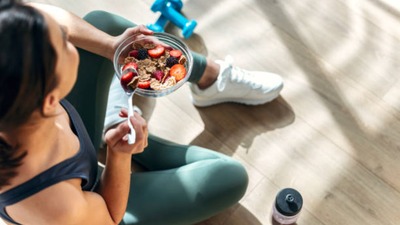
Hold that bite: Doctor explains the post-workout mistake that could cost you your life You finish a hard workout. You’re breathing heavily, your heart’s racing, and all you can think about is food. Totally fair. But here’s the thing most people don’t realize – eating immediately after intense exercise isn’t always a great idea. And in rare cases, doctors say it can actually be dangerous. That sounds dramatic, sure. But there’s real biology behind it. “Yes, there is a chance of choking. Immediately after a vigorous exercise, your breathing is shallow and disjointed, your diaphragm is still straining, and your swallowing reflex is not yet well synchronised. Due to the constriction of the body in terms of its attention to the oxygen delivery, instead of safe swallowing, food may slip into the airway, which risk of choking or aspiration, even in case of small bites,” says Dr Chetan Kalal, Consultant Hepatologist and Transplant Physician at Saifee Hospital. In 2023, a 21-year old bodybuilder from Tamil Nadu died after choking on a bread slice he ate post-workout. He was preparing for a bodybuilding championship in the under 70 kgs category. Dr Chetan explains why there is a risk of choking if one eats immediately after a workout. “When a person is working, the blood circulating in his body is redirected to divert attention to the muscles, heart and lungs at the expense of the stomach and intestines. The digestive system is put off temporarily. When you eat right after the cessation, the stomach is requested to work without the normalisation of blood flow and nerve signals. Such a mismatch may lead to acidity, stomach cramps, bloating, nausea, vomiting, or dizziness as the body attempts to switch between exercise and digestion,” he explains. To help readers understand better about this post-workout mistake, Dr Chetan has answered a few common questions. Does the type of food I eat after exercise matter for these problems? Dr Chetan Kalal: Yes. There is a greater risk of choking and digestive discomfort immediately after exercise because of heavy, dry, sticky, or even very spicy foods. Massive bites and rapid intakes are also more dangerous. Softer food, food that the digestive system can manage, is safer, although even them should in theory await the breathing system and heart rate to have calmed down. How long should I wait after exercising before I eat safely? Dr Chetan Kalal: With regard to sudden, intense activity such as sprinting or difficulties it is best to wait 10-20 minutes. This enables your breathing, heart rate and blood flow to normal. When you are able to breathe normally and feel calm, then eating will be much safer. Are there any risks to my heart if I eat immediately after intense activity? Dr Chetan Kalal: The risk is not zero in the majority of healthy individuals. Strenuous work has already taken its toll on the heart, and an emergency of digestion may contribute to cardiovascular stress. In individuals with existing heart problems, such sudden change may cause palpitations, light-headedness, or fainting. The cool-down period eliminates this risk. Can drinking water right after heavy exercise also cause problems? Dr Chetan Kalal: Small portions of water are usually harmless and beneficial but when large portions are taken immediately after the intense exercise, then nausea, stomach cramps, or vomiting may occur. Other factors that may contribute to a higher risk of coughing include rapid drinking and hard breathing. Slow, steady sips are best. What’s the safest way to refuel after a sudden burst of intense activity? Dr Chetan Kalal: To begin with, take a breather, walk and get the heart rate down. Begin with the little gulps of water. Eat in a calm manner after 10-20 minutes making small bites and chewing them well. Eat light and easy to digest foods first and do not hurry. The refueling is not competitive or hectic but more leisurely.  

Hold that bite: Doctor explains the post-workout mistake that could cost you your life Read More »