

Hold That Bite: Doctor Explains the Post-Workout Mistake That Could Cost You Your Life
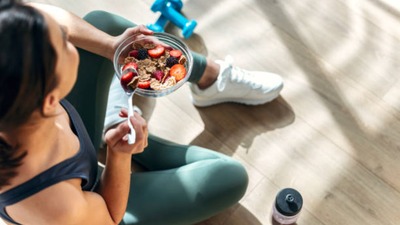
You finish a hard workout. You’re breathing heavily, your heart’s racing, and all you can think about is food. Totally fair. But here’s the thing most people don’t realize — eating immediately after intense exercise isn’t always a great idea. And in rare cases, doctors say it can actually be dangerous.
That sounds dramatic, sure. But there’s real biology behind it.
“Yes, there is a chance of choking. Immediately after a vigorous exercise, your breathing is shallow and disjointed, your diaphragm is still straining, and your swallowing reflex is not yet well synchronised. Due to the constriction of the body in terms of its attention to oxygen delivery, instead of safe swallowing, food may slip into the airway, which risks choking or aspiration, even in case of small bites,” says Dr Chetan Kalal, Consultant Hepatologist and Transplant Physician at Saifee Hospital.
In 2023, a 21-year-old bodybuilder from Tamil Nadu died after choking on a bread slice he ate post-workout. He was preparing for a bodybuilding championship in the under 70 kgs category. Dr Chetan Kalal explains why there is a risk of choking if one eats immediately after a workout.
The digestive system is put off temporarily. When you eat right after cessation, the stomach is requested to work without the normalisation of blood flow and nerve signals. Such a mismatch may lead to acidity, stomach cramps, bloating, nausea, vomiting, or dizziness as the body attempts to switch between exercise and digestion,” he explains.
Does the type of food I eat after exercise matter for these problems?
Dr Chetan Kalal: Yes. There is a greater risk of choking and digestive discomfort immediately after exercise because of heavy, dry, sticky, or even very spicy foods. Massive bites and rapid intakes are also more dangerous. Softer food, food that the digestive system can manage, is safer, although even then one should ideally wait for the breathing system and heart rate to calm down.
How long should I wait after exercising before I eat safely?
Dr Chetan Kalal: With regard to sudden, intense activity such as sprinting or difficult exercise, it is best to wait 10–20 minutes. This enables your breathing, heart rate and blood flow to return to normal. When you are able to breathe normally and feel calm, then eating will be much safer.
Are there any risks to my heart if I eat immediately after intense activity?
Dr Chetan Kalal: The risk is not zero in the majority of healthy individuals. Strenuous work has already taken a toll on the heart, and an emergency of digestion may contribute to cardiovascular stress. In individuals with existing heart problems, such sudden change may cause palpitations, light-headedness, or fainting. The cool-down period eliminates this risk.
Can drinking water right after heavy exercise also cause problems?
Dr Chetan Kalal: Small portions of water are usually harmless and beneficial, but when large portions are taken immediately after intense exercise, then nausea, stomach cramps, or vomiting may occur. Other factors that may contribute to a higher risk of coughing include rapid drinking and hard breathing. Slow, steady sips are best.
What’s the safest way to refuel after a sudden burst of intense activity?
Dr Chetan Kalal: To begin with, take a breather, walk and get the heart rate down. Begin with little gulps of water. Eat in a calm manner after 10–20 minutes, making small bites and chewing them well. Eat light and easy-to-digest foods first and do not hurry. Refuelling is not competitive or hectic but more leisurely.
Medical experts consulted
This article includes expert inputs shared with TOI Health by:
Dr Chetan Kalal, Consultant Hepatologist and Transplant Physician at Saifee Hospital.
Inputs were used to explain why eating immediately after a heavy workout can be a big risk to your life.
Do you have any questions you’d like us to ask a doctor? Let us know in the comment box below.